Archive for the ‘Borrelia Miyamotoi (Relapsing Fever Group)’ Category

New Discovery May Explain Treatment-Resistance in Chronic Lyme Disease

https://biologixcenter.com/uncategorized/new-discovery-may-explain-treatment-resistance-in-chronic-lyme-disaease/

Lyme-lab-test-tube

New Discovery May Explain Treatment-Resistance in Chronic Lyme Disease

By

New, more sensitive, and precise testing reveals a troubling finding in the treatment of Lyme disease. As this study reveals, many doctors may often be prescribing the incorrect antibiotics, due to the narrow focus on B. burgdorferi. In twenty-seven people from sixteen states, 96% were found to have other Borrelia strains than B. burgdorferi, many of which cannot be treated with the same antibiotics.

Limitations of Conventional Lyme Testing

Treatment-resistant, chronic and apparent relapsing Lyme disease (borreliosis), with its oft associated co-infections which worsen the illness, though once debated, is now well-documented in the scientific literature. Chronic Lyme disease has reached the true status of a global pandemic, though largely unappreciated by the media and mainstream medicine.

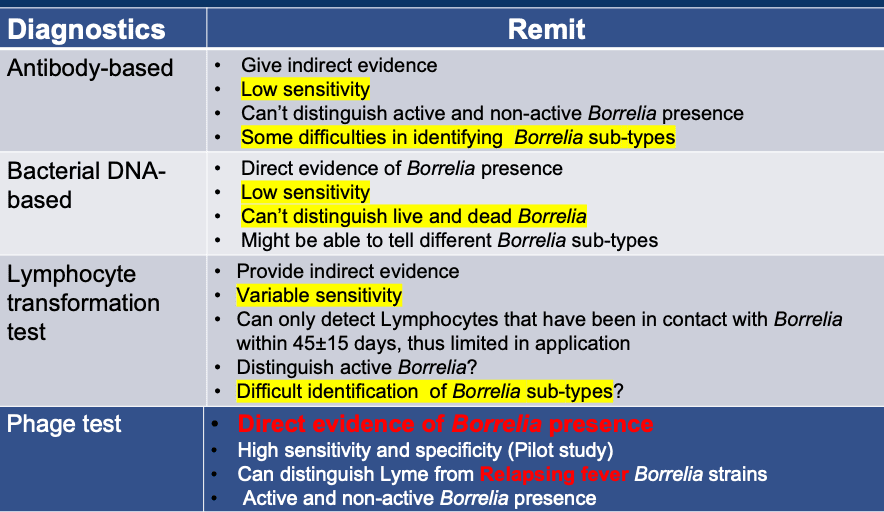
Conventional iagnostic lab testing, such as Western Blot, ELISA, and Conventional Bacteria PCR testing for the dectectin of Borrelia spirochete of Lyme disease has had limited success. Most types of conventional tests having high false-negative results, with as little as 30% sensitivity, meaning as much as 70% of people tested, actually have the infection, but never get treatment due to their lab test coming back negative. These people fall between the cracks of medicine as their body and lives fall apart as doctors do not know what is wrong with them, assuming the tests were correct. (See Fig. 1)

image001-e1600465037956

Fig. 1

The painful reality is that conventional labs which are not focused solely on testing for Lyme disease, often are not as diligent in their testing, not getting paid more to find the bacteria or not, and seeming to forget that there is a real and desperate person at the other end of the blood test. Unfortunately beyond this, the medico-political environment regarding the existence of chronic Lyme disease also gets in the way of getting many, if not most conventional physicians to order the test, even at the pleading of their patients.

New Testing Pinpoints Acute and Chronic Infections

In 2019 a new, highly sensitive test (See Fig. 1 Phage Test) was developed by the University of Leicester, in England, and performed by the R.E.D Laboratory, for the diagnosis of Borrelia infections. This test is so sensitive and the testing process so rigorous, that the test is nearing 100% accurate, at >80% sensitivity to detecting not just the presence of Borrelia burgdorferi, but all of the 20 types of Borrelia that can cause tick-borne and vector-borne illness. This test is call the Phelix Borrelia-Phage Test, and is such a breath of fresh air in that the test results come back not with encrypted, hard to determine bands, as in Lyme Western Blot tests, but instead clearly state, Positive or Negative and the exact type of Borrelia infection or multiple types of Borrelia strains that you have, without needing your doctor to interpret the results. Doctors in the United States or any other country can order this test.

Testing from Many Regions and States in the U.S.

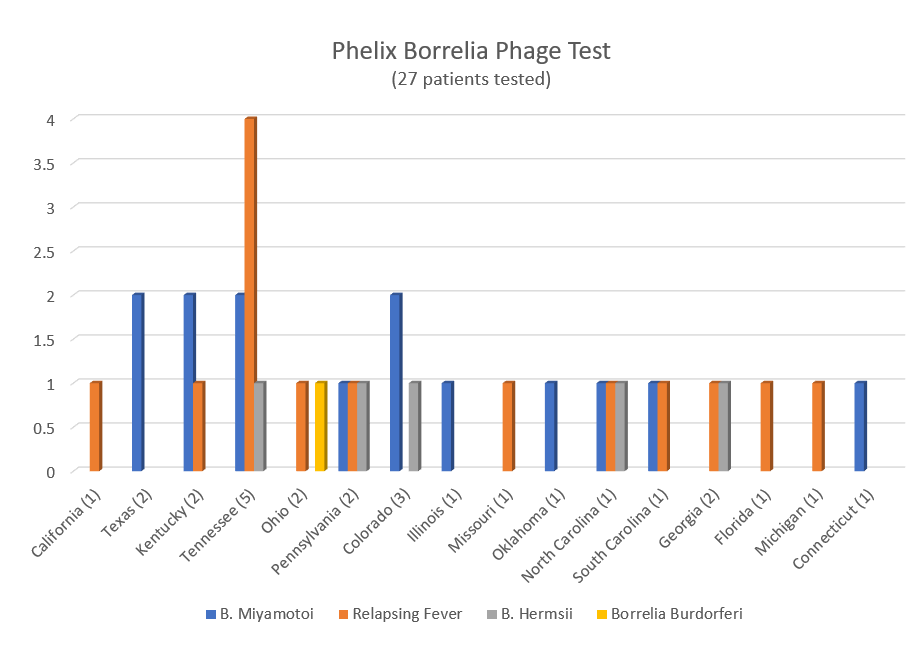
The world is a much smaller place than many appreciate. It is commonly, although mistakenly thought that some of the twenty Borrelia bacteria strains are only in Europe, or only in Asia, or only in certain regions of the U.S. As this study demonstrates, only one person had B. burgdorferi in the group of 27 people in this study.

Armed with the newest and most sensitive Borrelia test, we undertook a retrospective study of 27 people from 16 different states (see Fig. 2) to achieve a wide view of what types of Borrelia infections people actually had in the different parts of the country. The results were unexpected, as the graphs and figures in this article demonstrate. The pre-study expectation was that people with chronic Lyme disease, especially in the U.S., would be infected with Borrelia burgdorferi.

Phelix-test-results-by-state-graph

Fig. 2

Results of 27 People with Positive Borrelia-Phage Tests

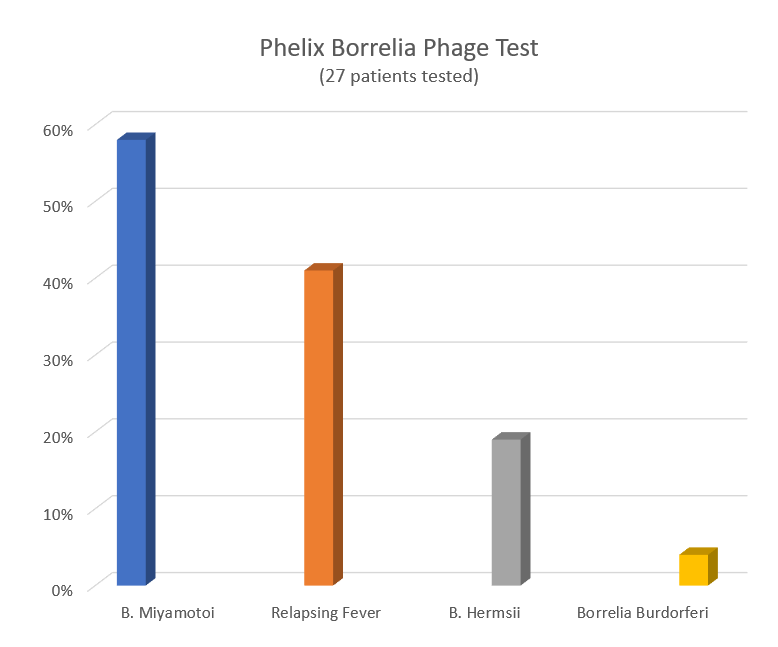
As seen in Fig. 3 below, many people had one or multiple strains of Borrelia. The vast majority, 52% (14 people) had Borrelia miyamotoi, followed by 42% (11 people) having Borrelia strains that fall under the category of Relapsing Fever group. Relapsing Fever group is illness from one or more of the following strains of Borrelia, B. hermsii, B. recurrentis, B. crocidurae, B. duttonii. After the Relapsing Fever group, 19% (5 people) had Borrelia hermsii, and only one person in the group had B. burgdorferi.

Phelix-test-results-graph

Fig. 3

Conclusion

The implications of this review are that Borrelia burgdorferi is likely not the primary culprit in many cases of chronic Lyme disease in the United States, as was previously thought. The other huge takeaway from this study is that many if not most people are not receiving the correct treatment, since the antibiotics typically used for B. burgdorferi are not the same as those used for other strains of Borrelia.

The specific strain of Borrelia bacteria cannot reliably be determined using bands on a Western Blot test. Any lab test that is focusing only upon B. burgdorferi, will miss the true diagnosis of other strains of Borrelia.

The Phelix Borrelia-Phage test is just one of a new breed of phage-based lab tests that will likely become the gold-standard of all bacterial testing. It would be advisable for anyone who suspects that they have or had Lyme disease, yet have either been told they are negative, or who have lingering symptoms to be tested again with the Phelix test.

Our view of what symptoms are typical of classic Lyme disease, based upon the B. burgdorferi model, needs to be expanded to include the symptoms that are unique to the other strains of Borrelia, as their presentation can be quite different, as well as their vectors not being always a tick.

Phage-based Testing and Now Phage-based, Strain-Specific Treatment

Treatments for B. burgdorferi, should be expanded to include the actual type or multiple types of Borrelia actually infecting a person. Although antibiotics, which can be likened to carpet-bombing, killing many bad bacteria, the Borrelia always causes the bad bacteria to mutate. This means the all types of bacteria lose some of their aspects that make it vulnerable to the antibiotics, not to mention the fact that antibiotics are notorious damaging to irreparably upset the populations of the friendly flora (microbiome) of the body, and cause prolonged and severe suffering through Jarische-Herxheimer reactions (Herx). A new Borrelia-phage-based targeted treatment has been developed that has been documented by repeated Phelix Borrelia-Phage testing, to rapidly eliminate only the types of Borrelia a person has been found positive, with no harm to the body, with minimal Herx reactions, and no harm to good bacteria.

Ruling out False-Positives and False-Negatives with Phelix Borrelia-Phage Testing

The Phelix Borrelia-Phage test is the premier, newest, most sensitive Borrelia lab test available. The Phelix test is statistically the most accurate test, as each blood sample undergoes quadruplicate real-time PCR tests for 3 different targets (B. burgdorferi sl, B. miyamotoi, Relapsing fever) for a total of 12 assessments. All positive-like samples are submitted to confirmatory sequencing to rule out false positive results. Before the Phage real-time PCRs, each sample is submitted to 2 rounds of QC to rule out false-negative results that would relate to the technical flaws: (i) to assess the quality of extracted DNA by performing low cycles actin PCR, and (ii) to assess the absence of PCR inhibitors by doing a real-time PCR for IAC (internal amplification control).

Ongoing Development of INPT at the Biologix Center

INPT was developed by Phagen Corp. and is being used at the Biologix Center for Optimum Health, as a part of an IRB study, to go beyond Borrelia and target any microbial issue, including all of the co-infections associated with Lyme disease, as well as Candida sp., mold, and parasite infections, however at this time the only lab test for detecting bacteria-specific phages is for Borrelia strains.

The future of INPT includes intravenous and injectable forms of application, in addition to the oral medication, through doctors only. INPT is not projected to be sold directly to the public at this time.

To Get Treatment:

If you would like to participate in our one to two week INPT programs please contact us at www.biologixcenter.com/get-treatment/. Financial assistance is available for those with chronic illness of any type, who desire treatment at Biologix Center and are struggling financially.

A more detailed report of these findings are presently being edited for publication in peer-reviewed article submission.

Bartonella Research Collaboration

The Biologix Center is collaborating with researchers who are working to develop phage lab tests for Bartonella and other types of microbes. The Phelix Bartonella-Phage Test is hoped to be offered before the end of 2020. If you have been diagnosed with Bartonella and would like to contribute a blood sample for the development of this new test, please let us know. Offer available only to patients of the Biologix Center who have been pre-qualified by our testing.

To learn more about Bacteriophages and INPT please click on the hyperlink.

*INPT is a patent-pending innovation developed by Phagen Corp, and is being researched at the Biologix Center for Optimum Health, in Franklin, Tennessee. A patient-funded, Retrospective Registry IRB is in place to publish peer-reviewed articles as this clinical work progresses. Approximately 98% of funds go to support the ongoing research.

There are no financial or academic conflicts to be reported between Biologix Center for Optimum Health and RED Laboratories.

_____________________

For more:  https://madisonarealymesupportgroup.com/2020/11/30/neglected-infections-gastrointestinal-issues-in-patients-with-late-vector-borne-infections/  The Borrelia-phage test is discussed within this link as well as the research showing:

  • Among positive ticks, 60% were for B. miyamotoi.
  • Testing on over 2,000 humans (mainly late stage/chronic patients) showed 30% negative results and 70% positive, among which over 60% indicated the presence of specific Borrelia miyamotoi phages.
It appears Borrelia Miyamotoi is far more prevalent than thought, and is yet another example of something our public ‘authorities’ have labeled ‘rare’ that isn’t.


Ticks Climb the Mountains: Ixodes Tick Infestation and Infection by Tick-Borne Pathogens

https://pubmed.ncbi.nlm.nih.gov/32723635/

. 2020 Sep;11(5):101489.

doi: 10.1016/j.ttbdis.2020.101489.Epub 2020 Jun 8.

Ticks climb the mountains: Ixodid tick infestation and infection by tick-borne pathogens in the Western Alps

Abstract

In mountain areas of northwestern Italy, ticks were rarely collected in the past. In recent years, a marked increase in tick abundance has been observed in several Alpine valleys, together with more frequent reports of Lyme borreliosis. We then carried out a four-year study to assess the distribution and abundance of ticks and transmitted pathogens and determine their altitudinal limit in a natural park area in Piedmont region.

  • Ixodes ricinus (castor bean tick) and Dermacentor marginatus (ornate sheep tick) were collected from both the vegetation and hunted wild ungulates.
  • Tick abundance was significantly associated with altitude, habitat type and signs of animal presence, roe deer’s in particular.
  • Ixodes ricinus prevailed in distribution and abundance and, although their numbers decreased with increasing altitude, we recorded the presence of all active life stages of up to around 1700 m a.s.l., with conifers as the second most infested habitat after deciduous woods.
  • Molecular analyses demonstrated the infection of questing I. ricinus nymphs with B. burgdorferi sensu lato (15.5 %), Rickettsia helvetica and R. monacensis (20.7%), Anaplasma phagocytophilum (1.9 %), Borrelia miyamotoi (0.5 %) and Neoehrlichia mikurensis (0.5 %).
  • One third of the questing D. marginatus were infected with R. slovaca.
  • We observed a spatial aggregation of study sites infested by B. burgdorferi s.l. infected ticks below 1400 m. Borrelia-infected nymphs prevailed in open areas, while SFG rickettsiae prevalence was higher in coniferous and deciduous woods.
  • Interestingly, prevalence of SFG rickettsiae in ticks doubled above 1400 m, and R. helvetica was the only pathogen detected above 1800 m a.s.l.
  • Tick infestation on hunted wild ungulates indicated the persistence of tick activity during winter months and, when compared to past studies, confirmed the recent spread of I. ricinus in the area.

Our study provides new insights into the population dynamics of ticks in the Alps and confirms a further expansion of ticks to higher altitudes in Europe. We underline the importance of adopting a multidisciplinary approach in order to develop effective strategies for the surveillance of tick-borne diseases, and inform the public about the hazard posed by ticks, especially in recently invaded areas.

______________________

**Comment**

Not that ticks can’t climb mountains – but migrating birds probably dropped them there:  https://madisonarealymesupportgroup.com/2018/11/07/ticks-on-the-move-due-to-migrating-birds-and-photoperiod-not-climate-change/

https://madisonarealymesupportgroup.com/2019/03/09/danish-study-shows-migrating-birds-are-spreading-ticks-their-pathogens-including-places-without-sustainable-tick-populations/

Regarding R. slovaca:

We also identified a case of R. slovaca infection in southern Rhineland-Palatinate. The patient reported a tick bite; the tick was identified as Dermacentor spp. Fever, lymphadenopathy of submandibular lymph nodes, and exanthema at the site of the tick bite developed 7 days later. Serologic examinations by using an immunofluorescent test (Focus Diagnostics, Cypress, CA, USA) showed antibody titers of 64 for immunoglobulin (Ig) M and 1,024 for IgG against rickettsiae of the spotted fever group. These results indicated an acute rickettsial infection. Because of strong cross-reactivity among all species in the spotted fever group, we cannot differentiate between antibodies against R. slovaca and other species in this group.  https://wwwnc.cdc.gov/eid/article/15/12/09-0843_article


Borrelia Miyamotoi Infection in a Highly Endemic Area of Lyme Disease

https://www.ncbi.nlm.nih.gov/pmc/articles/PMC7260789/

Published online 2020 May 30. doi: 10.1186/s12941-020-00364-0
PMCID: PMC7260789
PMID: 32473652

Presence of Borrelia miyamotoi infection in a highly endemic area of Lyme disease

Abstract

A series of cases in the Northeast of the US during 2013–2015 described a new Borrelia species, Borrelia miyamotoi, which is transmitted by the same tick species that transmits Lyme disease and causes a relapsing fever-like illness. The geographic expansion of B. miyamotoi in the US also extends to other Lyme endemic areas such as the Midwestern US. Co-infections with other tick borne diseases (TBD) may contribute to the severity of the disease. On Long Island, NY, 3–5% of ticks are infected by B. miyamotoi, but little is known about the frequency of B. miyamotoi infections in humans in this particular region. The aim of this study was to perform a chart review in all patients diagnosed with B. miyamotoi infection in Stony Brook Medicine (SBM) system to describe the clinical and epidemiological features of B. miyamotoi infection in Suffolk County, NY. In a 5 year time period (2013–2017), a total of 28 cases were positive for either IgG EIA (n = 19) or PCR (n = 9).

All 9 PCR-positive cases (median age: 67; range: 22–90 years) had clinical findings suggestive of acute or relapsing infection.

All these patients were thought to have a TBD, prompting the healthcare provider to order the TBD panel which includes a B. miyamotoi PCR test.

In conclusion, B. miyamotoi infection should be considered in the differential diagnosis for flu-like syndromes during the summer after a deer tick bite and to prevent labeling a case with Lyme disease.

__________________

**Comment**

https://madisonarealymesupportgroup.com/2018/09/04/borrelia-miyamotoi-in-immunocompetent-patient/

Dr. Cameron states:  “Until now, there have been no treatment guidelines for B. miyamotoi and regimes have been empirically based on the treatment for Lyme disease. ‘The antimicrobial susceptibility of B. miyamotoi has not yet been elucidated, due to difficulties with cultivation of B. miyamotoi spirochetes in vitro,’ according to Koetsveld.  http://danielcameronmd.com/best-antibiotics-treat-borrelia-miyamotoi/  The study authors demonstrated that B. miyamotoi is susceptible to doxycycline, azithromycin, and ceftriaxone but resistant to amoxicillin in vitro. The next step would be to show whether these drugs work in patients.”

For more:  https://madisonarealymesupportgroup.com/category/borrelia-miyamotoi-relapsing-fever-group/http://danielcameronmd.com/dont-count-on-a-relapsing-fever-to-diagnose-borrelia-miyamotoi/
You might assume a patient infected with Borrelia miyamotoi, a relapsing fever spirochete, to present with a relapsing fever. However, your assumption would be wrong 48 out of 50 times, according to a case series published in the Annals of Internal Medicine. [1] The authors found that only 2 out of 50 patients infected with the relapsing spirochete B. miyamotoi actually presented with a relapsing fever. [1]….The individuals exhibited symptoms similar to those found in other tick-borne illnesses.
The majority presented with headaches, myalgias, arthralgias, and malaise/fatigue. ‘More than 50% were suspected of having sepsis, and 24% required hospitalization,’ states Molloy. [1]…..’Serologic testing using the rGlpQ EIA seems insensitive in diagnosing acute BMD infection given that it was positive for IgG or IgM in only 16% of the case patient samples at the time of clinical presentation,’ states Molloy. The rGlpQ was positive after the fact in 86% of the patients during convalescence. [1]….Elevated liver enzyme levels, neutropenia, and thrombocytopenia were common in 75%, 60% and 51% respectively.
‘Borrelia miyamotoi disease may be clinically similar to or be confused with human anaplasmosis,’ according to Molloy….B. miyamotoi has emerged as a leading cause of hard tick-transmitted infections but lacks a clear diagnostic criteria. According to Molloy, “Infection with B. miyamotoi is the fifth recognized Ixodes-transmitted infection in the northeastern United States and should be part of the differential diagnosis of febrile patientsfrom areas where deer tick–transmitted infections are endemic.’”

More of the Same Focus on Worthless Serology Testing For Borrelia Research

https://www.change.org/p/the-us-senate-calling-for-a-congressional-investigation-of-the-cdc-idsa-and-aldf/u/26304991?

More of the same focus on Serology!

Ticks and Tick-borne Diseases

Identification of immunoreactive linear epitopes of Borrelia miyamotoi
https://www.sciencedirect.com/science/article/pii/S1877959X1930353X

Rafal Tokarz, Teresa Tagliafierro, Adrian Caciula, Nischay Mishra,b, Riddhi Thakkar, Lokendra V. Chauhan, Stephen Sameroff, Shannon Delaney, Gary P. Wormser, Adriana Marques, W. Ian Lipkin,

A B S T R A C T

Borrelia miyamotoi is an emerging tick-borne spirochete transmitted by ixodid ticks. Current serologic assays for B. miyamotoi are impacted by genetic similarities to other Borrelia and limited understanding of optimal antigenic targets. In this study, we employed the TBD-Serochip, a peptide array platform, to identify new linear targets for serologic detection of B. miyamotoi.

__________________

Today’s letter to the corresponding author……

April 9, 2020

Columbia University Mailman School of Public Health
722 West 168th St.
NY, NY 10032
Attn: Rafal Tokarz, PhD, Assistant Professor of Epidemiology

Dear Prof Tokarz,

In reference to the detection of tick-borne disease, please take a moment if you will to review the following list of publications using direct detection methods for identifying ongoing spirochetal infection. I will summarize the purpose of this correspondence at the end of this list:

1. Seronegative Chronic Relapsing Neuroborreliosis.  (Stony Brook Lyme clinic)
https://www.ncbi.nlm.nih.gov/pubmed/7796837

“We report an unusual patient with evidence of Borrelia burgdorferi infection who experienced repeated neurologic relapses despite aggressive antibiotic therapy. Each course of therapy was associated with a Jarisch-Herxheimer-like reaction. Although the patient never had detectable free antibodies to B. burgdorferi in serum or spinal fluid, the CSF was positive on multiple occasions for complexed anti-B. burgdorferi antibodies, B. burgdorferi nucleic acids and free antigen.”

2. Cardiac Tropism of Borrelia burgdorferi: An Autopsy Study of Sudden Cardiac Death Associated with Lyme Carditis.(March 2016)
http://ajp.amjpathol.org/article/S0002-9440(16)00099-7/abstrac

“Fatal Lyme carditis caused by the spirochete Borrelia burgdorferi rarely is identified. Here, we describe the pathologic, immunohistochemical, and molecular findings of five case patients.”

3. CDC Case Study #2: A case report of a 17-year old male with fatal Lyme carditis
https://www.sciencedirect.com/science/article/abs/pii/S1054880715000253

Borrelia burgdorferi was identified via special stains, immunohistochemistry, and polymerase chain reaction. The findings support B. burgdorferi as the causative agent for his fulminant carditis and that the patient suffered fatal Lyme carditis.

4. Granulomatous hepatitis associated with chronic Borrelia burgdorferi infection: a case report
http://www.labome.org/research/Granulomatous-hepatitis-associated-with-chronic-Borrelia-burgdorferi-infection-a-case-report.html

The patient had active, systemic Borrelia burgdorferi infection and consequent Lyme hepatitis, despite antibiotic therapy. Spirochetes were identified as Borrelia burgdorferi by molecular testing with specific DNA probes.

5. Culture evidence of Lyme disease in antibiotic treated patients living in the Southeast.
http://danielcameronmd.com/culture-evidence-of-lyme-disease-in-antibiotic-treated-patients-living-in-the-southeast/

Rudenko and colleagues reported culture confirmation of chronic Lyme disease in 24 patients in North Carolina, Florida, and Georgia. All had undergone previous antibiotic treatment

6. DNA sequencing diagnosis of off-season spirochetemia with low bacterial density in Borrelia burgdorferi and Borrelia miyamotoi infections.
https://www.ncbi.nlm.nih.gov/pubmed/24968274

Faulty/misleading antibody tests landed a sixteen year old male in a psychiatric ward when his lab results did not meet the CDC’s strict criteria for positive results. His Western blot had only four of the required five IgG bands. Subsequent DNA sequencing identified a spirochetemia in this patient’s blood so his psychiatric issues were a result of neurologic Lyme disease misdiagnosed by antiquated/misleading serology. This patient was previously treated with antibiotics.

7. The Long-Term Persistence of Borrelia burgdorferiAntigens and DNA in the Tissues of a Patient with Lyme Disease
https://www.ncbi.nlm.nih.gov/pmc/articles/PMC6963883/

Autopsy tissue sections of the brain, heart, kidney, and liver were analyzed by histological and immunohistochemical methods (IHC), confocal microscopy, fluorescent in situ hybridization (FISH), polymerase chain reaction (PCR), and whole-genome sequencing (WGS)/metagenomics. We found significant pathological changes, including borrelial spirochetal clusters, in all of the organs using IHC combined with confocal microscopy.

8. Persistent Borrelia Infection in Patients with Ongoing Symptoms of Lyme Disease
http://www.mdpi.com/2227-9032/6/2/33

“This pilot study recently identified chronic Lyme disease in twelve patients from Canada. All of these patients were culture positive for infection (genital secretions, skin and blood) even after multiple years on antibiotics so there was no relief from current antimicrobials. Some of these patients had taken as many as eleven different types of antibiotics.”

________________________

Note: For the sake of time this is just a short list of the hundreds of publications identifying persistent Borrelia infection.

What is the purpose of this email?

Direct detection methods, specifically DNA testing has the ability to identify persistent infection whereas serology cannot be used to gauge treatment failure or success. Not to mention that humans do not produce antibodies against Borrelia for 4-6 weeks after a tick bite. By the time serology tests are positive, the spirochetes have already invaded various deep tissues, like those in syphilis, and are hard to eradicate with antibiotics.

Serology has allowed the 30-year dogma to persevere [1]whereas direct detection methods are exposing the exact opposite.

We are dealing with a life-altering/life-threatening infection with faulty/misleading antibody tests, inadequate treatment, no medical training and absolutely no disease control whatsoever; a public health disaster.

It is time to utilize 21st century technology for the purpose of rapid detection and efficacy of treatment.

If DNA testing is accepted for the 21st century pandemic (COVID-19) [2] ; why not for the 20th century plague (Lyme disease) that has been allowed to proliferate unchecked?

Respectfully Submitted,

Carl Tuttle
Lyme Endemic Hudson, NH

Cc: The tick-Borne Disease Working Group

References

1. Lyme Disease Is Hard to Catch And Easy to Halt, Study Finds
New York Times By GINA KOLATA Published: June 13, 2001

http://www.nytimes.com/2001/06/13/us/lyme-disease-is-hard-to-catch-and-easy-to-halt-study-finds.html

2. The Science Behind the Test for the COVID-19 Virus

https://discoverysedge.mayo.edu/2020/03/27/the-science-behind-the-test-for-the-covid-19-virus/

__________________

https://www.change.org/p/the-us-senate-calling-for-a-congressional-investigation-of-the-cdc-idsa-and-aldf/u/26339210?

Email to the attention of Dr. Paul Mead, Chief of the CDC Bacterial Diseases Branch

Today’s letter to Paul Mead of the CDC regarding the continued use of serology mentioned in the latest study on Borrelia miyamotoi at the top of the page.

Apr 13, 2020

Division of Vector-Borne Diseases
Centers for Disease Control and Prevention
3156 Rampart Rd
Fort Collins, Colorado CO 80521
Attn: Paul Mead, MD, MPH Acting Branch Chief

pfm0@cdc.gov

Dear Dr. Mead,

In October of 2018 you coauthored the following paper in Clinical Infectious Diseases and made the following statement regarding serologic testing for Lyme disease:

Direct Diagnostic Tests for Lyme Disease

Clinical Infectious Diseases, ciy614, https://doi.org/10.1093/cid/ciy614

Published: 11 October 2018

Excerpt:  (Quote from Paul Mead)

“… serologic tests cannot distinguish active infection, past infection, or reinfection. Reliable direct-detection methods for active B. burgdorferi infection have been lacking in the past but are needed and appear achievable.”

Dr. Mead…. So why is the National Institutes of Health funding Dr. Gary Wormser’s study for the serologic detection of B. miyamotoi?

Obviously Dr. Wormser didn’t get your memo or you are just providing lip service to give the illusion that our public health officials have everything under control.

What is the status of Direct Diagnostic Tests for Lyme Disease Dr. Mead? Persistent infection after extensive antibiotic treatment has been identified through the use of direct detection methods in academic centers and autopsy findings [1]yet the average patient cannot obtain these tests to justify how sick they are with their chronic active infection.

Please provide a list of grants issued by the CDC or National Institutes of Health for studies actively involved in developing Direct Diagnostic Tests for Lyme Disease.

I expect a prompt reply to this inquiry.

Respectfully submitted,

Carl Tuttle

Lyme Endemic Hudson, NH

Reference:

[1] More of the same focus on Serology!

https://www.change.org/p/the-us-senate-calling-for-a-congressional-investigation-of-the-cdc-idsa-and-aldf/u/26304991

____________________

For more on the concerted suppression of direct testing for borrelia:  https://madisonarealymesupportgroup.com/2017/12/13/suppression-of-microscopy-for-lyme-diagnostics-professor-laane/

https://madisonarealymesupportgroup.com/2018/04/03/cdc-deliberately-avoids-direct-detection-testing-methods-for-ld/

https://madisonarealymesupportgroup.com/2018/10/13/direct-test-for-ld-carl-tuttle-chews-up-cdc-spits-them-out/

https://madisonarealymesupportgroup.com/2018/01/16/2-tier-lyme-testing-missed-85-7-of-patients-milford-hospital/

https://madisonarealymesupportgroup.com/2020/03/01/study-cdcs-2-tier-lyme-testing-inaccurate-in-more-than-70-of-cases/

https://madisonarealymesupportgroup.com/2018/08/15/milford-pathologist-fires-broadside-at-cdc-motion-to-discuss/

BTW: The CDC is directly behind the COVID-19 testing fiasco.  This article points out that insisting upon their own tests is the MO of the CDC – even when human lives are at stake:  https://madisonarealymesupportgroup.com/2020/03/27/cdcs-deadly-testing-fiasco-centralization-of-public-health-authority-a-threat-to-national-security/ The reason for this is so they control all the parameters for further products that will make them money – everything from test kits to drugs to vaccines.

The CDC has controlled Lyme testing for decades and it rules like the iron curtain even though research clearly shows it is abysmal and misses at least half of all cases – and often times much more.

Four Borrelia Species Found in Ticks in North-Eastern Germany

https://www.ncbi.nlm.nih.gov/pubmed/32106890

2020 Feb 27;13(1):106. doi: 10.1186/s13071-020-3969-7.

Borrelia miyamotoi and Borrelia burgdorferi (sensu lato) identification and survey of tick-borne encephalitis virus in ticks from north-eastern Germany.

Abstract

BACKGROUND:

Ixodes ricinus is the most common tick species in Europe and the main vector for Borrelia burgdorferi (sensu lato) and tick-borne encephalitis virus (TBEV). It is involved also in the transmission of Borrelia miyamotoi, a relapsing fever spirochete that causes health disorders in humans. Little is known regarding the circulation of Borrelia species and the natural foci of TBEV in north-eastern Germany. The goal of this study was to investigate the infection rates of Borrelia spp. and of TBEV in I. ricinus ticks from north-eastern Germany.

METHODS:

Ticks were collected by flagging from 14 forest sites in Mecklenburg-Western Pomerania between April and October 2018. RNA and DNA extraction was performed from individual adult ticks and from pools of 2-10 nymphs. Real time reverse transcription PCR (RT-qPCR) targeted the 3′ non-coding region of TBEV, while DNA of Borrelia spp. was tested by nested PCR for the amplification of 16S-23S intergenic spacer. Multilocus sequence typing (MLST) was performed on B. miyamotoi isolates.

RESULTS:

In total, 2407 ticks were collected (239 females, 232 males and 1936 nymphs). Female and male I. ricinus ticks had identical infection rates (both 12.1%) for Borrelia spp., while nymphal pools showed a minimum infection rate (MIR) of 3.3%. Sequencing revealed four Borrelia species: B. afzelii, B. garinii, B. valaisiana and B. miyamotoi.

  • Borrelia afzelii had the highest prevalence in adult ticks (5.5%) and nymphs (MIR of 1.8%)
  • Borrelia miyamotoi was identified in 3.0% of adults and registered the MIR of 0.8% in nymphs
  • Borrelia valaisiana was confirmed in 2.5% adult ticks and nymphs had the MIR of 0.7%
  • B. garinii was present in 1.1% of adults and showed a MIR of 0.1% in nymphs
  • The MLST of B. miyamotoi isolates showed that they belong to sequence type 635.
  • No tick sample was positive after RT-qPCR for TBEV RNA.

CONCLUSIONS:

The prevalence of B. miyamotoi in I. ricinus ticks registered similar levels to other reports from Europe suggesting that this agent might be well established in the local tick population.

The detection of B. burgdorferi (s.l.) indicates a constant circulation in tick populations from this region.

___________________

**Comment**

If four borrelia species were discovered in German ticks, it’s highly likely these same ticks are transmitting to humans. German patients are sunk if doctors are utilizing worthless CDC 2-tiered testing as it ONLY uses one strain, which isn’t even discussed in this paper (B. burgdorferi).

Borrelia afzelii, miyamotoi, and garinii ALL are pathogenic to humans.

This 2004 article shows they found valaisiana in the cerebrospinal fluid in a, 61-year-old man with a history of spastic paraparesis, which is strong clinical evidence of advanced neuroborreliosis.” They further state, “This report is the first of genetic detection of B. valaisiana in CSF, which indicates a probable association of this genospecies with disease in humans.”  https://wwwnc.cdc.gov/eid/article/10/9/03-0439_article

Sixteen years later we still don’t know if valaisianna is pathogen to humans.

This, right here, is why we don’t need more climate data.
We need to know what is causing disease in humans, and how to detect it (test), and treat it.

For more:  https://madisonarealymesupportgroup.com/2018/11/07/ticks-on-the-move-due-to-migrating-birds-and-photoperiod-not-climate-change/