The Global Lyme Alliance is pleased to present Highlights from ILADS 18th Annual Scientific Conference, our expert panel of leading physicians will provide their insights and a summary of key data and research presented at this conference.
RATIONALE: Fever of unknown origin (FUO) can be determined by different conditions among which infectious diseases represent the main cause.
PATIENT CONCERNS: A young woman, with a history of aortic stenosis, was admitted to our unit for a month of intermittent fever associated with a new diastolic heart murmur and splenomegaly. Laboratory tests were negative for infectious screening. The total body computed tomography (CT) scan excluded abscesses, occulted neoplasia, or lymphadenopathy.
DIAGNOSES: The transthoracic and transesophageal echocardiogram showed an aortic valve vegetation. Three sets of blood cultures were negative for all microorganisms tested. According to these findings, Bartonella endocarditis was suspected and the serology tests performed were positive.Finally, real-time polymerase chain reaction (RT-PCR) detected Bartonella henselae DNA on tissue valve.
INTERVENTIONS: The patient underwent heart valve surgery and a treatment of Ampicillin, Gentamicin, and oral Doxycycline was prescribed for 16 days and, successively, with Doxycycline and Ceftriaxone for 6 weeks.
OUTCOMES: After surgery and antibiotic therapy, patient continued to do well.
LESSONS: Bartonella species are frequently the cause of negative blood culture endocarditis.Molecular biology techniques are the only useful tool for diagnosis. Valvular replacement is often necessary and antibiotic regimen with Gentamicin and either Ceftriaxone or Doxycycline is suggested as treatment.Echocardiogram and blood cultures must be performed in all cases of FUO. When blood cultures are negative and echocardiographic tools are indicative, early use of Bartonella serology is recommended.
________________
**Comment**
Great information regarding how difficult it is to pick up microorganisms through testing and the importance of the right test. This has been the thorn in Lyme/MSIDS patients sides for decades and why so many continue to fall through the cracks.
The Cabal continues to rely on old studies and testing methods which are extremely flawedto make emphatic statements on all things Tick borne illness related.
New tests must be accepted & used. If it weren’t for the dedicated sleuthing of a doctor, this woman might be dead, and many have succumbed to that outcome due to poor testing, lack of diagnosis, and treatment.
Ticks that transmit Bartonella include Ixodes Scapularis (also called the blacklegged tick or deer tick) and Ixodes Pacificus (western black legged tick), both of which also transmit Lyme disease. More than one co-infection can be transmitted from the same tick bite. A paper by Martin Fried and Aswine Bal, both MD’s, https://www.lymediseaseassociation.org/images/NewDirectory/Studies-Papers/Fried_Bartonella-2002.pdf, found it to cause heartburn, abdominal pain, skin rash, gastritis (inflammation of the stomach lining) and duodentis (inflammation of 1st portion of the small intestine) in children and adolescents, as well as mesenteric adenitis (inflammation in abdominal lymph nodes).
Infectious virus in exhaled breath of symptomatic seasonal influenza cases from a college community
Jing Yan, Michael Grantham, Jovan Pantelic, P. Jacob Bueno de Mesquita, Barbara Albert, Fengjie Liu, Sheryl Ehrman, Donald K. Milton and EMIT Consortium
Edited by Peter Palese, Icahn School of Medicine at Mount Sinai, New York, NY, and approved December 15, 2017 (received for review September 19, 2017)
Significance
Lack of human data on influenza virus aerosol shedding fuels debate over the importance of airborne transmission. We provide overwhelming evidence that humans generate infectious aerosols and quantitative data to improve mathematical models of transmission and public health interventions. We show that sneezing is rare and not important for—and that coughing is not required for—influenza virus aerosolization. Our findings, that upper and lower airway infection are independent and that fine-particle exhaled aerosols reflect infection in the lung, opened a pathway for a deeper understanding of the human biology of influenza infection and transmission. Our observation of an association between repeated vaccination and increased viral aerosol generationdemonstrated the power of our method, but needs confirmation.
Abstract
Little is known about the amount and infectiousness of influenza virus shed into exhaled breath. This contributes to uncertainty about the importance of airborne influenza transmission. We screened 355 symptomatic volunteers with acute respiratory illness and report 142 cases with confirmed influenza infection who provided 218 paired nasopharyngeal (NP) and 30-minute breath samples (coarse >5-µm and fine ≤5-µm fractions) on days 1–3 after symptom onset. We assessed viral RNA copy number for all samples and cultured NP swabs and fine aerosols. We recovered infectious virus from 52 (39%) of the fine aerosols and 150 (89%) of the NP swabs with valid cultures. The geometric mean RNA copy numbers were 3.8 × 10⁴/30-minutes fine-, 1.2 × 10⁴/30-minutes coarse-aerosol sample, and 8.2 × 10⁸ per NP swab. Fine- and coarse-aerosol viral RNA were positively associated with body mass index and number of coughs and negatively associated with increasing days since symptom onset in adjusted models. Fine-aerosol viral RNA was also positively associated with having influenza vaccination for both the current and prior season. NP swab viral RNA was positively associated with upper respiratory symptoms and negatively associated with age but was not significantly associated with fine- or coarse-aerosol viral RNA or their predictors. Sneezing was rare, and sneezing and coughing were not necessary for infectious aerosol generation. Our observations suggest that influenza infection in the upper and lower airways are compartmentalized and independent.
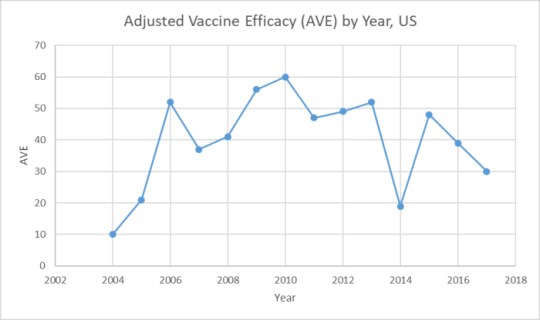
The association of current and prior year vaccination with increased shedding of influenza A might lead one to speculate that certain types of prior immunity promote lung inflammation, airway closure, and aerosol generation. This first observation of the phenomenon needs confirmation. If confirmed, this observation, together with recent literature suggesting reduced protection with annual vaccination, would have implications for influenza vaccination recommendations and policies.
This type of misrepresentation is a consistent penchant within the media and of course from the CDC to exaggerate and highly emphasize only positive views and diminish, dismiss, or ignore any negative views on the safety and efficacy of vaccines.
The Jury is In: The Flu Vaccine Reduces its Own Efficacy
Too many studies now exist that have independently come to the same conclusion: increases in the uptake of flu vaccine reduces that vaccine’s effectiveness in the following year – and some studies show the negative effects of mass influenza vaccination last two years.
Patients have a right to know the specific nature of their infections, and survivors in families of those who die from respiratory infections deserve an accurate cause of death. Coroners should certainly be required to provide an accurate cause of death in so-called “flu” mortalities.Health departments should be required to count only deaths due to confirmed influenza infection as “flu” – otherwise their numbers perpetuate misperception on the risk of influenza infection, and cause fear leading to increased vaccination. How is this seen as a good thing? The population deserves good and honest doctors and stewards of public health.
HHS could demand swab results for all suspected cases of “flu deaths” with a press release and enforce them with random audits. This annual ritual of fear-mongering over “flu-deaths” hides the fact that as long as thimerosal is injected into patients, they are at increased risk of other infections. And due to heterologous immunity, even without thimerosal, flu vaccines can confuse the immune system and muddle up ineffective immune response by trying to re-purpose B-cells trained on the wrong virus, hobbling the immune system making it unresponsive to similar viruses. Such as next year’s flu strain.
We do need objectivity to arise immediately throughout the public health system in the US, starting with HHS, then to CDC and to all Health Departments around the country. Many studies have also found problems with Tamiflu. But no emergency epidemiological study is addressing the question – why are so many young people dying from “flu”? Many of the reports I’ve seen include mention that they person had not only been vaccinated, they also had taken Tamiflu. And many had taken Tylenol. It’s time to ask the tough questions. The science is there on problems with Tylenol for vaccine-induced fever, and it must be taken into consideration. Fever due to respiratory infections after flu vaccination is still vaccine-induced.
A look at the issues with Tamiflu (see primary scientific literature reviewed here) shows that we cannot ignore the possibility that the human immune system is not infinitely resilient, and that medicine’s approaches to tackling “the flu” is imprecise, not evidence-based, and self-defeating. I’m not talking about the number of antigens the human body can take; I’m talking about the amount of tweaking it can tolerate, especially given the aluminum-dense childhood vaccination schedule. The allopathic medical community would do very well to heed the studies that show that Vitamin D helps alleviate both vaccine injury and severity of viral infections. It helps resolve the unfolded protein response without killing the cells. And the science of ER stress (endoplasmic reticulum stress) shows that Thimerosal is, after all, not safe for human use. Same for aluminum.
Real Reform is Coming – It’s a Mathematical Certainty
Vaccines injure people every day, and kill people every week. Each injury and death informs family members, co-workers, and schoolmates. The flaws in vaccines, combined with misinformation campaigns on safety, fuel the fire and build the vaccine risk aware army. It’s a peaceful army, filled with individuals who are hurt so badly, they do not want others to suffer the same fate. They are altruistic. And under informed, ethical and distributed leadership, they are finding their momentum.
Vaccine safety science reform means removing those in the CDC and HHS that perpetuated the debacle as it grew to proportions that even they could no longer easily deny it. And that’s fine. Let them go. There are many excellent professionals capable of replacing them – people who have not been involved in cooking studies to alter the public’s perception of vaccine risk. People who have withstood unwarranted and unfair criticism by those who live in cowardice of reality. People who now no longer afraid to publish their views. An important question is who among my colleagues in Academic Public Health, and which doctors in Pediatric medicine are willing to #bebrave and take on a debacle as huge as a failed national immunization program? Who will stand up to the AAP and tell them they are wrong?
If you are that type of doctor, it will be easier if you trust those who have worked at this for years. Read Dr. Paul Thomas’ book, The Vaccine Friendly Plan. After the resignations, have him come and teach the entire CDC and HHS what he knows. Consider Dr. Alvin Moss’s wisdom – ask him to create a Conflicts of Interest Policy for CDC and HHS, as he has done for the rest of academic medicine. Bring in Dr. Bob Sears from California, who was willing to stare down threats of the loss of his license to practice medicine because he dared to continue to practice medicine in the face of wanton misinformation and pressure from the AAP. Consider Dr. Richard Frye, and Dr. Chris Exley from the UK, who care first and foremost about the truths that impact total health. Dr. Frye would be great as the new NIH Director, in my opinion. Let these people form a new national public health direction that overrides existing contracts. There are others. Like Dr. Judy Mikovits whose character stands much taller than those who tried – and failed – to silence her – on the issue of adventitious agents in viral vaccines (specifically and quite problematic: retroviruses). Ask Dr. Ted Fogarty about Ethical Vaccinomics, and testing for vaccine injuries. Bring in Dr. John Piesse from Australia and end his persecution there, and put his good will toward safety to work here. We would be lucky to have him.
Create a Manhattan Project focused on reducing vaccine injuries, not on making currently licensed vaccines safer.They are old, and stale, and tired, and they, too, need to go. Bring in exciting new developments in artificial immunization like microneedle patches. Bring in Dr. Kanduc to screen epitopes that are unsafe. Drop aluminum, as many have now called for, and bring in calcium carbonate – if needed at all. Let those pharmaceutical companies who created the disaster make good on their promises to stop making their vaccines. Then we will see new approaches to artificial immunization that compete on the platform of safety.
Don’t just end COIs at ACIP: End ACIP. Create a Vaccine Safety Commission that enforces Science Integrity. Open up the markets. Let ideas thrive. Let consumers choose. Let the FDA do its job. Let the people’s experiences be heard. Establish a paradigm in which the end consumer has a say in the quality of the product. Strip the CDC of the ability to hold patents. End the CDC Foundation. End the differences between drugs and biologics and require randomized clinical trials – with proper placebos, not aluminum hydroxide – for vaccines. Repeal the 1986 Act that protects drug companies from liability for faulty vaccines. Perform random spot checks of vaccines in practices for contamination. The total sum of policies in the National Immunization Program, and the burden of morbidity on the population is a serious threat to our National Security.
Let some new faces and voices drive this reform. Bring in Dr. Dan Neides who had to escape the Cleveland Clinic after speaking his conscience. Let him oversee the transition. Bring in Dr. Brian Hooker to personally issue the pink slips to those who must now go from the CDC. Let all of those named here share his or her experience with Congress. Have Dr. Thompson testify. We need truth and reconciliation. And we need it 42 years ago.
There are MDs who sit in the shadows, silent, and afraid of job loss, sanction, ridicule. Step up. Let your views be known to the current Administration. Join Physicians for Informed Consent. You are not alone. You can help be part of the solution. Attend Health Department meetings and speak up for Informed Consent. Speak up for vaccine exclusions for kids in homes with high lead levels. Speak up for spacing out vaccines and skipping them. Speak up for tolerance and understanding of the pain and anguish parents of kids with autism experience when they are told it’s genetic, they know it’s environmental, and they are told they have to vaccinate their other babies. Speak up against calling CPS for parents who want to take the time they have under the law to consider vaccinations. And, of course, do right by your patients. Listen to their concerns. Inform them of both risks and benefits, as required by Federal Regulations. Let them know they are enrolling themselves or their children (and unborn baby) in post-licensure vaccine safety clinical trials (as required by Federal Regulations). Provide medical and philosophical exemptions for school waivers as required by the laws of your state and the rule of your own conscience. The AAP does not represent the rights and will of the people of the United States of America. Our legislation does.
Let’s aim to not make 2020 vaccination look anything like 2019. We have solutions. We’re now aiming for Healthy People 2050, and the current vaccines have very little to do with our vision. By the way, these ideas don’t come (exclusively) from me. They are shared by hundreds of thousands of American citizens, many of whom have been made sick or lost loved ones to vaccines. #werenotgoingaway #releasetheothermemos #hearthiswell #notmine #Vaxxed #cdctruth #saveourbabies #bebrave #ipak #cdcwhistleblower #rfkcommission #educatebeforeyouvaccinate #vaxxed #learntherisk #wedid #cdclied #stopmandatoryvaccination #learntherisk.”
____________
**Comment**
More just keeps popping out of Pandora’s Box regarding vaccines.
Since the beginning of our species we have been at war. It’s a continuous, neverending fight against the smallest of adversaries: armies of pathogens and parasites. As we have developed new ways to survive and stop them, they have evolved ever more complex and ingenious methods to thwart our efforts.
Humans have faced numerous attempts to challenge our dominance on planet Earth and from the Black Death to the Spanish flu, we have weathered them all. However, since the start of the 21st century, with its trend towards global interconnectedness, these onslaughts are ever-increasing. In the past 17 years we have battled Sars, the Ebola virus, Mers, and more recently the mysterious mosquito-borne Zika virus. These diseases seeming to appear from nowhere and rapidly ravage our populations. One commonality is that they almost always originate in animals before jumping across to people, and few parasites are as good at jumping between animals and people as the tick.
Ticks could be best described as the used syringes of the natural world due to their promiscuous feeding habits. Most ticks go through three stages in their lives and feed on a different host at each stage, whilst simultaneously collecting hitchhiking microbes in their blood meals. Ticks also have one of the widest distributions of any vector on Earth – they can be found on every continent, including frigid Antarctica. This combination of ubiquity and a bad habit for accumulating pathogenic microbes make ticks some of the most dangerous vectors on the planet.
So why ticks? And why now?
Partly, it’s because ticks have been understudied for so long that only recently have we begun to realise just how much they affect our health. It took until 1975 for the infamous Lyme disease even to be formally described, and today the list of microbes found within ticks grows ever larger every year as numerous new species are discovered.
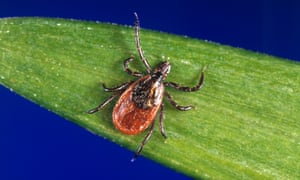
An engorged tick removed from a host. Photograph: Astrid860/Getty Images/iStockphoto
Changing ecosystems are also forcing ticks into closer contact with humans. Perhaps the most immediate changes are being driven by land clearing, which is forcing wildlife into closer contact with humans; with wildlife come ticks and the diseases they carry. Climate change has also been implicated: as the climate gets warmer, some ticks are expanding their ranges into places where cool winter temperatures previously limited their distribution. Geographical boundaries are also being eroded as rapid transport links environments which were previously isolated from one another. This presents easy opportunity for ticks to cross borders and spread to new habitats they may not have previously occupied.
In short, our manipulation of the environment has set the stage for a tick-driven health crisis.
Ticks can carry an extremely wide array of human pathogens, including bacteria, viruses, and protozoa. Within the long list of human ailments caused by ticks, several dangerous diseases stand out.
While the recognition of Lyme disease has led to a greater study of the bacteria which cause it and more frequent testing for patients, it has been a double-edged sword, as its notoriety has overshadowed equally important diseases like tick-borne rickettsiosis (TBR). TBR is caused by a number of different bacteria distributed across the globe. Unfortunately, TBR often presents with signs and symptoms similar to Lyme disease, such as rashes, joint and muscle pain, and fatigue. Although deaths are rare when TBR is treated with antibiotics like doxycycline, when the disease is incorrectly diagnosed or adequate medical infrastructure is lacking, mortalities can still occur.
Babesiosis is an emerging tick-borne disease caused by a protozoan called Babesia, a species related to the microbe which causes malaria. The disease is rarely tested for by doctors and the global levels of human infection are unknown, although some researchers believe that they may be much higher than present rates of diagnosis indicate. Infections can be highly variable, with about a quarter of infected adults showing no signs of the disease, while others will die from the infection. In truth the disease is still poorly understood in humans, which is compounded by the fact that several species of Babesia cause the disease and the signs and symptoms can be wide-ranging and often include fever, fatigue, anaemia, and nausea – all common features of other illnesses.
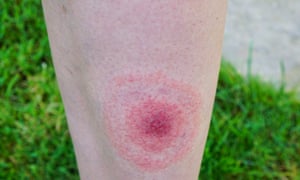
The distinctive “bullseye” marking caused by a bite from a deer tick. Photograph: anakopa/Getty Images/iStockphoto
Crimean-Congo haemorrhagic fever (CCHF) is perhaps the most terrifying disease spread by ticks, as there are no treatments available, and mortality rates can be as high as 40% in infected humans. To put it into perspective, that mortality rate is similar to untreated cases of Ebola or the bubonic plague. The World Health Organisation views CCHF virus as having a high chance of causing human disease epidemics and has accordingly directed considerable funding towards finding a treatment, although to date none have been developed. The wide distribution of tick vectors capable of spreading the disease coupled with the ability of common domestic animals such as sheep and cattle to maintain the CCHF virus in their blood at high levels means the potential for CCHF to expand into new regions like Europe is highly probable.
While only discovered in 2009, SFTS virus (severe fever with thrombocytopenia syndrome) has sparked widespread fear through much of Asia, especially in Japan where 57 people have died of the disease since 2013. Signs of the disease can range in severity from relatively mild, like fever and diarrhoea, to severe, which can include multiple organ failure. The fact that the epidemiology of the disease is so poorly known makes predicting and controlling its spread difficult. It is also known to be carried by at least two cosmopolitan tick species which are spread throughout the world from the UK, to the US, and even Australia. That might sounds bad enough, but things are even worse: although the disease typically gets to humans via a tick, from there it can spread to other humans or their pets and back again into ticks who feed on infected hosts.
Ticks are ubiquitous, dangerous, and are coming into ever greater contact with us. We must recognise that the next public health crisis may come from our backyards rather than a remote equatorial jungle in Africa or Asia.
_____________
**Comment**
I’m thankful the article points out that other pathogens are involved. For those with Lyme as well as these other pathogens (which is common), they typically have more severe cases and require longer and more extensive treatment.
The Cabal still denies ticks transmit Bart; however, many feel otherwise. This is why all the research in the world put out by the Cabal will never touch Bart. It doesn’t fit the narrative. The fly in the ointment is similar to sexual transmission for Lyme, the organisms have been found but there isn’t conclusive proof of transmission. Many of these pathogens are fastidious and hard to study in a lab. All case studies are ignored.
I’m always fascinated that Bartonella and Mycoplasma are rarely mentioned in regards to coinfections by mainstream news – as according to experts Dr. Nicholson and Dr. Breitshwerdt, they are probably the TOP coinfections with Lyme.
Then there’s that pesky detail of not having enough studies on the effectiveness of formaldehyde killing the virus making it “inactive” which explains why some get the flu after getting the vaccine: http://www.thevaccinereaction.org/2018/01/formaldehyde-doesnt-always-kill-viruses/This happened before when 40,000 kids were given the Salk IPV and got polio. OOPS!
What authorities don’t tell you about vaccines for the immunocompromised, such as Lyme/MSIDS patients, is that a vaccine which is created to lower your immune system so that your body mounts an immune response can activate latent infections. https://madisonarealymesupportgroup.com/2017/12/02/scottish-doctor-gives-insight-on-lyme-msids/ Within this link you will also see a connection between the HPV vaccine and Bartonella. I just finished “Lyme Madness,” by Lori Dennis. Her son’s Lyme/MSIDS activated after a flu shot. I hear these stories over and over.
So rather than be frightened and reach for what seems like an easy button, this article will hopefully give you practical tools to use at home to lower your flu risk or lessen infection time.
The following video by NPR shows how viruses turn our cells into mini viral reproductive factories.
Approx. 3.5 Min
Approx. 6 Min
In this video Dr. Axe shares his top seven remedies to cure a cold fast. These specific remedies can help you get rid of your cold in 24 hours or less. They are most effective when taken upon initial flu/cold symptoms.
1. Echinacea
The research using Echinacea tea is not consistent. The studies that demonstrated the best effect at shortening the length of a cold occurred when you drink two to three cups of Echinacea tea per day starting on the first or second day of your cold.
2. Elderberry Syrup or Extract
In one study, elderberry syrup reduced the severity of flu symptoms and shortened their duration by about four days. Elderberry extract is also known for inducing sweating, and helps relieve congestion.
3. Vitamin C (1000mg 5x day)
A very potent antioxidant; use a natural form such as acerola, which contains associated micronutrients. You can take several grams every hour (use the liposomal form so you don’t get loose stools), till you are better.
4. Garlic (capsules or cloves)
In the singular study identified by the Cochrane group, those who took garlic daily for three months had fewer colds than those who took a placebo, and, when they did come down with a cold, the duration of illness was shorter — an average of 4.5 days compared to 5.5 days for the placebo group.
5. Oregano Oil/ Oil of Oregano (4-5 drops in water)
The higher the carvacrol concentration, the more effective and most active antimicrobial agent in oregano oil which has potent antibacterial and antiviral effects. In one study, researchers found when in spray form in combination with four other aromatic plants it could immediately reduce the side effects of a cold. This treatment was no longer effective after three days of use. Oil of oregano should not be used by children, women who are pregnant or nursing or who plan to become pregnant.
6. Zinc (100mg a day)
A Cochrane Database Review of the medical research on zinc found that when taken within one day of the first symptoms, zinc can cut down the time you have a cold by about 24 hours. Zinc was also found to greatly reduce the severity of symptoms. Zinc was not recommended for anyone with an underlying health condition, like lowered immune function, asthma or chronic illness. Dr. Mercola does not recommend taking more than 50 mg a day, and does not recommend taking zinc on a daily basis for preventive purposes as you could easily develop a copper imbalance that way.
7. Apple Cider Vinegar (2 Tbsp in water 3x a day)
Cold viruses increase the acidity of your body. Apple Cider vinegar reduces the acidity and has acetic acid that helps prevent the growth of viruses.
Eliminate sugars from your diet, add in a real vegetable soup a day, consume chicken broth, and citrus fruits. For more information on getting rid of a cold check out this article: http://draxe.com/natural-cold-remedies/
1. Meditation – has significant positive effects on heart rate, brain function, stress reduction and blood pressure. Research also has demonstrated lasting positive effects on brain function and immune system. Imaging demonstrated an increase in activation in the left frontal region of the brain associated with lower anxiety, and blood work showed larger increases in antibody production in participants who meditated in the study.
2. Exercise – if all symptoms are above the neck, such as sneezing, sniffling and watery eyes, then breaking out in a sweat is generally considered safe. The immune system functions better when you exercise regularly and is a good preventative measure. Walking, jogging, yoga and slow biking are among the best exercises when you have a cold, while endurance sports, team sports, weightlifting and exercising in the cold weather are among the worst. Exercise may help you feel better but may not shorten the length of your cold. If you are involved in strenuous exercise it depletes the energy needed to fight the virus and can actually make your symptoms worse.
3. Sleep – Sleep has a strong regulatory influence on your immune system and promotes the influence of cytokines stimulating the interaction between antigen-presenting cells and T-helper cells necessary for your body to fight virus infections. Most people need between about eight hours of sleep a night and plenty of rest during the day.
4. Nasal Saline Rinse – Although researchers can only speculate how saline nasal washes are effective in treating and preventing virus infections and recurrences, the fact is they are effective. Use only sterile normal saline water in the rinse. Tap water can increase the inflammatory response in the sinus passages and carry parasites that can infect your brain.
5. Hydrogen Peroxide – In 1928, Dr. Richard Simmons hypothesized that the cold virus entered your body through the ear canal and not the nose. His theory was dismissed by the medical community; however, in 1938, German researchers had great success using hydrogen peroxide in the ear canal to treat colds and the flu. You must start treatment in the first 24 hours to have a significant impact on reducing the length of the cold. Take a capful of hydrogen peroxide and while lying on your side, pour it in, letting it bubble for a few minutes. Switch sides and repeat.
6. Chicken Soup – Ateam of researchers from the University of Nebraska Medical Center found evidence that chicken soup — both homemade and from the can — had anti-inflammatory properties that could prevent the side effects of a cold. Avoid the canned varieties in favor of a home-cooked version with homemade broth.
9. Coconut Oil – has both antibacterial and antiviral properties. Rub coconut oil over your skin. It is readily absorbed into your body and, as an added benefit, will soften your skin too. Add one-half teaspoon to your coffee or tea when you have a cold and cook with it.
10. Baking Soda – reduces the acidity of your body in the treatment of colds and flu. However, I have pushed the body pH in the opposite direction and achieved the same results, shortening the length of an infection. The administration of baking soda is simple, relatively harmless and easy to test on your own cold. Simply dissolve the recommended amount of baking soda in a glass of cold water and drink it. Recommended dosages from the Arm & Hammer Company for colds and influenza back in 1925 were:
Day 1 — Take six doses of one-half teaspoon of baking soda in glass of cool water, at about two-hour intervals Day 2 —Take four doses of one-half teaspoon of baking soda in glass of cool water, at the same intervals Day 3 — Take two doses of one-half teaspoon of baking soda in glass of cool water morning and evening, and thereafter ½ teaspoon in glass of cool water each morning until cold symptoms are gone This should only be used as an occasional (not chronic) treatment, however, and be careful not to consume excessive amounts, which can cause serious electrolyte and acid/base imbalances.
11. Lifestyle Choices – eliminate or drastically reduce your alcohol intake and smoking. Both of these factors negatively impact your immune system, making it more difficult for your body to fight the viral infection.
12. Steam – will not shorten the length of your cold, but it will help to break up the mucous secretions in your sinuses, reduce the inflammation in your nasal passages and help you to breathe better.
13. Stress Reduction – Practicing meditation, yoga or Emotional Freedom Techniques (EFT) are simple and effective practices to support your immune system and prevent other damage caused by stress.
14. Hand Washing – is a deterrent for infection by viruses and against further infection while you are sick. It will also reduce the spread of the virus to other family members, but it will not shorten the length of your cold. Remember that too much hand washing is almost as bad as not enough. Frequent washing strips your skin of protective oils, causing the skin to crack and bleed.
15. Eat Real Food – and avoiding processed foods will give your body the necessary tools to fight a viral infection. It will also reduce the potential you’ll suffer a quick recurrence of the infection.