Archive for the ‘Autism’ Category

Neuropsych Disorders in Kids: An Interview with Co-Founder of The Stanford PANS Clinic – Dr. Kiki Chang

https://www.neuroimmune.org/dr-kiki-chang.html

Neuropsychiatric Disorders In Children: An Interview with Co-Founder of The Stanford PANS Clinic, Dr. Kiki Chang

10/22/2018

Please go to link for an informative interview with Dr. Kiki Chang, a child psychiatrist with over 22 years of experience whose specialty is working with youth and young adults at risk for serious mood disorders such as depression, bipolar, and PANS/PANDAS and related neuropsychiatric disorders.


_____________________
https://madisonarealymesupportgroup.com/2015/10/06/november-dr-brown-on-msids-pandas-pans/  According to Dr. Brown, 80% of his PANS patients have Lyme/MSIDS.


Autism Spectrum Disorder (ASD) The Question Every Parent Should Ask….Why is This Not Medical?

https://www.linkedin.com/pulse/autism-spectrum-disorder-asd-question-every-parent-ask-goldberg-md/

Autism Spectrum Disorder (ASD) The Question Every Parent should ask.… Why is This Not Medical?

Michael Goldberg, MD

There are different kinds of childhood disorders, yet none scientifically or medically can remotely affect the CDC reported 1:36 children and be thought of as genetic or developmental in origin, unless, medical science is ignored and that child is NOW labeled, ASD Autistic! However, given the horrific and increasing numbers of ASD affected children, there must be an underlying unidentified medical disease presenting with autistic like symptoms and behaviors i.e. an ASD “PHENOTYPE”!  

It is scientifically impossible to have an epidemic without a disease origin. Mistakenly labeling and then treating children as “psychiatric Autistic” is the failure of our medical system to recognize these children are really part of an enlarging, unrecognized medical pandemic affecting children and young adults. ASD (1:36) today is worse than the Polio epidemic (1:1500 – 1:2000) of the 1950’s.

As early as the 1960s, certainly in the 1970s, pediatricians were being taught at UCLA and other excellent medical schools that Psychiatric, DSM autism affected 1 – 2 in 10,000 children. Further, those 1-2 children, in order to be labeled Autistic must never be affectionate/ never normal! To have that number mysteriously begin to increase in the 1990s to the astounding level of 1 in 36 otherwise affectionate children begs the questions; “Is this epidemic? And if so “Why is this condition not considered and treated as medical?”  

Instead of being excited about the arrival of new baby, watching a child grow and prosper, sadly many mother’s today (expressed constantly when meeting new parents) live with perhaps worse fears than parents and families of the 40s and 50s. At that time the polio epidemic was a real threat, affecting 1:1500 – 1:2000 children, and the world mobilized to find a cure. Today ASD affects 1:36 and climbing! Where is the medical community? You cannot have an epidemic of psychiatric or developmental conditions!

I am proposing an answer to the question, nobody in public health, academic research or the pediatric medical community dare to acknowledge or ask: Is ASD in children and young adults a medical condition? Are they medically ill and thus treatable? 

 My answer: YES and the medically treatable symptoms and manifestations are directly related to Herpes viruses (potentially others) and the immune system! 

Medical School of the 1970s was eventful.  Professors opined we were entering a “golden age” of medicine, because “common” pathogens were being identified and eradicated. As new physicians we recognized we live in a sea of viruses. We were protected by our immune system and its adaption over thousands of years.

Nobel level professors taught there were differences between “normal” viral titers (markers) and “elevated” viral titers, indicating the presence of an active virus. Then in the early – mid 1980s very powerful medical leaders (CDC, NIH) unexplainably decided elevated Herpes viral titers in children and adults were meaningless! Lab evaluations of “normal” vs. elevated, are still carried over today, but “ignored” when elevated. As a practicing pediatrician, to suddenly be required to ignore the role of the Herpes virus was and still is beyond comprehension.  

The Medical Literature still support the significance of a fourfold change in viral titers. However, if a pediatrician does not consider or is precluded from testing for viral titers, how can the physician begin to evaluate or “rule out” if there is treatable viral activity? She/he cannot! How does that benefit the child or the family? It does not! For a physician to leave a child with overwhelming sensory issues, without a complete medical work up is unconscionable. In my opinion, to discount and ignore elevated viral titers in children and young adults remains one of the biggest travesties being perpetrated upon our children by the current medical system.

All of the ASD labeled children I am working up are affectionate. Many present with this ASD “phenotype”. Typically, their blood tests show elevated viral titers for the HHV6 herpes virus, Epstein Barr and/or CMV virus. In addition, many of these children also present with outright early developmental delays and motor issues. For these issues, I was taught by excellent professors to think of viruses, “rule-out viruses.”  

Most children having issues today become labeled as “on the ASD spectrum” without a proper medical workup and investigation for illness, chronic viral activation issues, etc. By artificially removing the medical criteria developed over decades past, the current “system” too quickly, attaches the label of ASD. The pediatrician unwittingly abandons the children and parents to the psychiatric community for behavior training and a life of isolation and despair. Parents are told to cope and forego their focus or desire to pursue real medical answers and real potential help for their children. How much worse can this get before parents and others step up and declare “enough is enough”!

In my professional opinion based upon over 40+ years of clinical experience, “Autism spectrum disorder” (not meeting strict Kanner criteria) with accompanying language impairment is in reality a medical disease (complex immune – complex viral) presenting as an encephalopathy (often viral) with “autistic” symptoms.

The language impairment in these ASD labeled children is part of the disease, not secondary to Autism Spectrum Disorder. Many of my patients (approx. 75+%) respond favorably to a medical protocol of anti-viral medications and diet modifications, eliminating known allergenic foods. This anti-viral component mitigates the effects of the viruses to the brain, while the diet changes reduce stress on the body, the brain, and the immune system. Additional improvement is achieved with the use of an SSRI (Selective Serotonin Reuptake Inhibitor). The SSRI is introduced not for “depression,” but as a pharmaceutical/medical way to treat temporal lobe hypo perfusion; a real, medically definable, physiologic CNS dysfunction evidenced on a NeuroSPECT scan

This medical protocol results in the elimination or severe abatement of the “autistic” like symptoms and behaviors and allows an increase in, a return of, higher cognitive function. The most common phrase I hear from parents of improving children is,

“It is as if a fog has lifted.”

and from speech and other therapists,

“This is not the same child I have been working with.”

These otherwise affectionate “typical/normal” (now much brighter cognitively) children are now placed in a position to be taught (not trained), allowed to “catch up” and progress with their peers. For whatever reasons, those in positions of authority refuse to acknowledge or investigate this treatable complex immune, complex viral medical problem. Instead, current focus and research is on “causation” with activated “gene expressions” or “complex genetic” ideas being proffered as the origin. The reality is a treatable underlying viral/immune process is being ignored! The “system” has become so biased, against the obvious, that good professors wishing to pursue research into a readily treatable complex immune, complex viral causation, have not only been refused funding, but fear losing their positions. These short-sighted money decisions at the clinical level mean the loss of the near immediate relief from ASD behaviors and mannerisms, improved, often excellent cognitive abilities, and improvement in the future quality of life for the child and family. Why?

Recently I met with a group of educators discussing the “differences” working with a medically treated ASD child (stressing an ASD “phenotype,” not developmental “autism”). They were aware the medically treated child was able to understand and be taught! These educators realized this was an emerging potentially regular child, not a child mysteriously born “miss-wired.” Thankfully, there are excellent academic professors who also know something is seriously wrong, literally acknowledging we are in a missed medical “pandemic”.

An appropriately focused and engaged medical community together with key medical and academic researchers, could create a pathway for a healthier future for the children and reduce the financial costs to all affected, including our social and educational systems.

_______________

**Comment**

https://madisonarealymesupportgroup.com/2017/10/26/clinical-trial-shows-most-kids-with-autism-are-not-born-with-it/

The Duke study is remarkable in that 60-70% or more of children with Autism have de novo gene mutations (not found in either parent) that must have occurred after birth according to the results, not in the egg, sperm or early utero development as previously, and erroneously assumed.  This new finding reveals research should now be geared to finding out what environmental damage after birth leads to these mutations and/or what pathogens are acting as triggers.  Autism like Lyme/MSIDS is a pandemic and according to one Wisconsin LLMD, 80% of his Autistic patients are also infected with Lyme/MSIDS.

More and more is coming out about the pathogenic aspect of disease (even mental illness).  This is certainly true for Alzheimer’s & Dementia, as well as other autoimmune issues such as in this story:  https://madisonarealymesupportgroup.com/2017/10/01/panspandas-steroids-autoimmune-disease-lymemsids-the-need-for-medical-collaboration/  While Susannah Cahalan’s issue was truly autoimmune, we learn of Patrik, who had Lyme:

Boy’s Lyme Disease Morphs into Autoimmune encephalopathy. It took 10 years and 20 doctors to find out 12-year-old Patrik had Lyme disease. Just 4 months later the doctors discovered he also has a condition where his immune system attacks his brain. Dr. Souhel Najjar, Cahalan’s doctor, heroically saves the day again.

This is another great read regarding the pathogen element within Alzheimer’s:  https://madisonarealymesupportgroup.com/2018/09/11/its-time-to-find-the-alzheimers-germ/

Then there’s this gem:  https://madisonarealymesupportgroup.com/2016/06/03/borrelia-hiding-in-worms-causing-chronic-brain-diseases/  (Excerpt below)

MacDonald states that both worms and borrelia can cause devastating brain damage and that,


“while patients are wrongly declared free of Lyme and other tick-borne infections, in reality, too often they contract serious neurodegenerative diseases which can kill them.”

MacDonald made his discovery from 10 specimens from the Rocky Mountain Multiple Sclerosis Center Tissue Bank. All 10 showed evidence of borrelia infected nematodes. Five patients who died of Glioblastoma multiforme, a malignant brain tumor, and four patients who died of Lewy Body dementia also showed infected nematodes.  MacDonald used FISH, Fluorescent In Situ Hybridization, which uses molecular beacon DNA probes to identify pieces of borrelia’s genetic material which fluoresce under the microscope with a 100% DNA match.

In other words, this is no mistake.


PANS/PANDAS Awareness

Approx 4 Min

Excerpt from the documentary “My Kid Is not Crazy.”

PANS/PANDAS Awareness Day was yesterday but I didn’t get the memo until today.  🙂

While disturbing at the beginning, look how antibiotics made all the difference.  Less than four minutes of film that shows how devastating PANS can be.

How many children are slipping through the cracks and are being labeled “mentally ill?”

A prominent Lyme literate doctor in Wisconsin states that approximately 80% of his Autistic, and PANS/PANDAS patients have Lyme/MSIDS.  

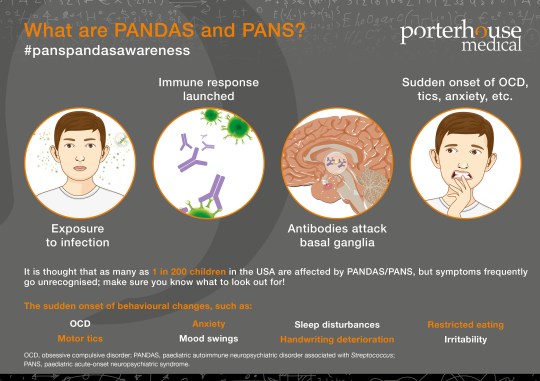
PANDAS_PANS_Infographic_V0.2

Please note the estimate that 1 in 200 children in the USA are affected by it.

You as a family member, friend, or alert medical professional have the ability to share this information when you suspect it.  Speak up.  These kids need our help.

For more:

https://madisonarealymesupportgroup.com/2017/12/01/guidelines-for-treating-pans-its-real/  Despite the fact that published diagnostic guidelines for PANS/PANDAS were created in 2015, but some physicians still feel it’s not legit.

Physicians need to take this disease seriously.

According to Margo Thienemann, MD, clinical professor of psychiatry and behavioral sciences at Stanford, and the lead author of the portion of the guidelines that address psychiatric and behavioral interventions, treatment is at least tri-part:  

  • if infection is present, treat the infection
  • treat close contacts who may be exposing the child to infection
  • treat inflammation, which is thought to cause the brain symptoms

https://madisonarealymesupportgroup.com/2017/10/08/misdiagnosed-how-children-with-treatable-medical-issues-are-mistakenly-labeled-as-mentally-ill/

https://madisonarealymesupportgroup.com/2017/06/30/child-with-lymemsidspans-told-by-doctors-she-made-it-all-up/

https://madisonarealymesupportgroup.com/2018/07/28/stories-of-pandas/

https://madisonarealymesupportgroup.com/2017/10/01/panspandas-steroids-autoimmune-disease-lymemsids-the-need-for-medical-collaboration/

https://madisonarealymesupportgroup.com/2018/09/26/more-awareness-needed-for-childrens-neurological-conditions/

https://madisonarealymesupportgroup.com/2018/09/05/pans-autism-the-immune-system-an-interview-with-expert-neurologist-dr-richard-frye/


Toxic Metal Pollution Linked With Development of Autism Spectrum Disorder

https://m.medicalxpress.com/news/2018-09-toxic-metal-pollution-linked-autism.html

Toxic metal pollution linked with development of autism spectrum disorder

September 14, 2018 , RUDN University
Environmental metal and metalloid pollution (lead, mercury, aluminum, and arsenic) may induce autism spectrum disorders (ASDs) Credit: Vyacheslav Sheludkov

Russian researchers, together with their foreign colleagues, have demonstrated that environmental metal and metalloid pollution (lead, mercury, aluminum, and arsenic) may induce autism spectrum disorders (ASDs), and have considered possible mechanisms of exposure to these substances. The study may be useful for the prevention and therapy of ASD. The article is published in the journal Environmental Research.

Autism spectrum disorder is a group of disruptive neurodevelopmental disorders that cause problems in communication, socialization, and limited interests. They appear usually at the age of three years. Over the past 20 years, the prevalence of ASD has increased by 30 percent globally, although scientists have not yet reached a consensus on the causes and mechanisms of the disorder. Genetic mutations correspond to approximately 7 percent of cases of ASD. Such mutations can occur under the influence of in the first months of prenatal and postnatal life, when the nervous system is especially sensitive to toxic environmental pollutants. This hypothesis is confirmed by recent studies. For example, scientists from RUDN University with their colleagues from Saudi Arabia and Norway have observed increased lead and mercury levels in association with selenium deficiency in erythrocytes of children with ASD. A large Korean study including 458 mother-child pairs showed a clear link between exposure to mercury in early childhood and autistic behavior at the age of five.

But how, exactly, can toxic metals cause ASD? Researchers of the RUDN University and Yaroslavl State University, under the guidance of Prof. Anatoly Skalny, believe that the main mechanism underlying the onset of ASD is in brain . The latter is related to increased levels of pro-inflammatory cytokines—signaling peptide molecules. In addition, arsenic disrupts the metabolism of neurotransmitters and promotes epigenetic changes. Finally, aluminum can cause dysfunction of glia – non-neuronal auxiliary cells of the nervous tissue, which play an important role in the functioning of the nervous system. These assumptions are confirmed by the results of the authors’ studies, which demonstrated a tight association of the level of toxic elements in the blood serum of children with ADS and neuroinflammatory markers.

Researchers from the RUDN University considered the link between exposure to three toxic metals (lead, mercury, aluminum) and arsenic with the emergence of ASD in children. They proposed three main processes that occur under the influence of toxic metals and contribute to the development of autism: neuroiflammation, apoptosis (programmed cell death), and excitotoxicity. In addition, the scientists proposed preventive measures and approaches that reduce the risk of ASD.

“Unfortunately, the contemporary methods of metal detoxification do not allow to achieve ASD remission, especially since their effectiveness in ASD is not confirmed from the positions of evidence-based medicine,” noted the co-author of the article Alexey A. Tinkov, M.D., Ph.D., senior lecturer of the Department of Medical Elementology of the RUDN University.

In the case of acute intoxication, the use chelating agents (DMPS, DMSA, CaEDTA and BAL) is recommended, but in the case of ASD, chronic metal overload usually takes place. Moreover, chelators also have a significant number of side effects. In the case of chronic intoxication, toxic metals can be successfully eliminated from the body by functional foods. A number of phytochemicals (polyphenols, etc.) decrease lead toxicity. In turn, laboratory data demonstrate that zinc and selenium compounds significantly reduce toxicity of lead, arsenic and cadmium.

Researchers recommend the use of a comprehensive approach for the correction of metal overload in ADSs. Particularly, in addition to elimination of metals exposure, it is proposed to use antioxidants and anti-inflammatory compounds, as well as supplements containing heavy metal antagonists (selenium, zinc), and adhere to a diet.

More information: Geir Bjørklund et al. Toxic metal(loid)-based pollutants and their possible role in autism spectrum disorder, Environmental Research (2018). DOI: 10.1016/j.envres.2018.05.020

Provided by: RUDN University

**Comment**

A prominent Wisconsin Lyme doctor states 80% of his Autistic patients also have a Lyme/MSIDS infection.

For more on the metal issue:

https://madisonarealymesupportgroup.com/2017/09/19/autism-aluminum-adjuvant-link-corroborated/

https://madisonarealymesupportgroup.com/2018/06/15/canadian-data-more-autism-where-vaccine-coverage-is-highest/

https://madisonarealymesupportgroup.com/2018/06/01/immunoexcitotoxicity-as-the-central-mechanism-of-etiopathology-treatment-of-autism-spectrum-disorders-a-possible-role-of-fluoride-aluminum/

https://madisonarealymesupportgroup.com/2017/11/28/biological-mechanisms-of-vaccine-injury/

“In depositions in a trial in Tennessee, scientists from the Kennedy Krieger Institute at Johns Hopkins University make it clear that children really should be screened before their first vaccination. If screening for individual susceptibility were done, many vulnerable children would be spared from being harmed by vaccines.”  https://articles.mercola.com/sites/articles/archive/2018/09/16/how-to-end-the-autism-epidemic.aspx?

For those who believe the CDC’s rhetoric that “vaccines do not cause Autism,” please see slide #5 of James Lyons Weiler’s work showing at least 12 studies showing an association:  vials-health-summit-slides-james-lyonsweiler-magic

The Russian study stated that genetic mutations are responsible for 7% of children with Autism. The study in this link https://madisonarealymesupportgroup.com/2017/10/26/clinical-trial-shows-most-kids-with-autism-are-not-born-with-it/ showed a similar finding that most children with Autism are NOT born with it:  Autologous Cord Blood Infusions Are Safe and Feasible in Young Children with Autism Spectrum Disorder: Results of a Single-Center Phase I Open-Label Trial  

https://madisonarealymesupportgroup.com/2018/09/05/pans-autism-the-immune-system-an-interview-with-expert-neurologist-dr-richard-frye/


Pans, Autism, & the Immune System: An Interview With Expert Neurologist Dr. Richard Frye

http://www.neuroimmune.org/frye/pans-autism-and-the-immune-system-an-interview-with-expert-neurologist-dr-richard-frye

Dr. Richard Frye is a pediatric neurologist and Chief of The Division of Neurodevelopmental Disorders at Phoenix Children’s Hospital. He’s recognized as an expert on the treatment of autism.

Could you summarize the results of your recent study, “Intravenous Immunoglobulin For The Treatment Of Autoimmune Encephalopathy In Children With Autism”?

Our study recently published in Translational Psychiatry showed that a subset of children with autism spectrum disorder (ASD) who did not respond to standard interventions had autoantibodies in their blood targeting brain tissue which might qualify them for the diagnosis of autoimmune encephalopathy (AIE). The majority of children with ASD had elevated levels of autoantibodies measured by the Cunningham Panel™ (Moleculera Labs, Oklahoma City, OK) along with an elevation in the activation of calcium calmodulin dependent protein kinase II (CaMKII). A few patients had other brain targeted autoantibodies associated with AIE, such as voltage-gated calcium channels autoantibodies.

Some of the patient qualifying for the diagnosis of AIE were treated with intravenous immunoglobulin (IVIG) and their symptoms were monitored with two widely-used validated behavioral questionnaires, the Aberrant Behavior Checklist (ABC) and the Social Responsiveness Scale (SRS). Overall, IVIG was found to improve scores on both the ABC and SRS questionnaires and the great majority of parents reported improvements in additional symptoms related to ASD. The majority of patients experienced side effects from the IVIG treatment but most of the time these were mild and limited to the time around the infusion period. We were also able to divide the patients who received IVIG into those that demonstrate a positive response on the behavioral questionnaires and those that did not. This allowed us to determine if autoantibody titers of the Cunningham Panel™ collected prior to IVIG treatment could predict which individuals would response to IVIG. We found that, overall, the Cunningham Panel™ could predict which individuals would response to IVIG treatment with over an 80% accuracy rate and that the anti-dopamine receptor D2L and anti-tubulin antibodies were particularly sensitive to predicting response to IVIG treatment. 

What initially led to your interest in considering immune-mediated factors in autism? 

I have built my clinical practice with a vision of discovering new treatments for children with ASD. Some children with ASD do not respond to standard treatments or even new novel treatments and many times a standard medical workup does not reveal any additional obvious treatment targets. Such patients need to be investigated further to determine if there are other factors preventing them from developing skills or causing disruptive behaviors. For me, integrating an investigation of immune factors into my practice was the next step for further determining treatable factors for children with autism.

Do you have a sense for the percentage of children with autism who also have AIE?

The study describes 82 patients that were screened for AIE. This was about 8% of the patients seen in my autism clinic during the study period. 60% of these children were believed to probably have AIE, or about 5% of the children seen in my autism clinic. The percentage of the other 92% of patients seen in my autism clinic that might also have AIE is not known but it is very likely that a significant percentage of these children may have AIE. Many of these children were not investigated further because of various reasons including insurance coverage of testing, parental preference and/or difficultly in drawing blood. Further studies that systematically evaluate the general ASD population for AIE so we have a better understanding of the number of children with ASD that may benefit from treatment for AIE.

While acceptance of post-infectious autoimmune encephalopathy and pediatric acute-onset neuropsychiatric syndrome (PANS) continues to grow, there seems to be a bias within the medical community against considering PANS in children with autism. Would you agree or disagree with this statement and do you have a sense for why this might be? 

I believe that the idea that there are physiological abnormalities underling ASD which can be treated is novel concept that is faced by significant skepticism. Also many are skeptical that children with ASD can recover from their disorder at all. This skepticism, I believe, it based on an old concept of children with neurodevelopmental disorders having a “static encephalopathy” in which it is believed the brain is damaged and cannot improve. As new research connects neurodevelopmental and neurobehavioral disorders such as ASD with abnormal physiology and treatments that target these physiological abnormalities, evidence will become more compelling. As treatments are shown to improve function in disorders which previously had few effective treatments, I believe more people in the medical community will embrace treatments that help children with neurodevelopmental disorders.

Some physicians have questioned the validity of the Cunningham Panel due to the fact that many children with autism have positive results. The conclusion by some is that this means the test is producing false positive results. How would you respond to this? 

In our study 57% of the children we tested were positive for the Cunningham panel as we defined a positive test. We set a more stringent criteria as compared to others. For our clinical practice, the Cunningham panel is considered positive when one or more autoantibodies are elevated AND CaMKII is elevated. One of the reasons we examined the predictability of the Cunningham panel is to validate and refine the accuracy of the Cunningham panel. Our study points to two particular autoantibodies which appear to predict response. Since the components of the Cunningham panel have been developed based on converging animal and human basic research, it is very clear that these components are very likely to be very meaningful. It is likely that different components (or combination of components) will identify different subgroups of neurobehavioral, neuropsychiatric and/or neurodevelopmental disorders. Further studies are needed to further refine the most accurate use of interpreting the components of the Cunningham panel.

Do you ever treat children who did not have an abrupt or acute onset of neuropsychiatric symptoms, and if so, do they respond similarly to children who did have an abrupt onset? 

Abrupt onset of neurological, behavioral or psychiatric systems as well as abrupt loss of previously acquired skills are red flags for an underlying metabolic or immunological disorder. All three cases described in our recent paper had abrupt onset of symptoms and approximately one-third of children with ASD are estimated to have neurodevelopmental regression. However, there are children without a history of an abrupt onset of systems who also respond to immune and metabolic treatments that target medical abnormalities usually associated with an acute onset of disease. Thus, I do not usually use the history of abrupt symptoms onset to guide my workup. Treatments I prescribed are guided by biomarkers.

What is your approach to managing children with autism who develop neuropsychiatric symptoms? How does this differ from your approach to those without autism? 

I have found that many children with neuropsychiatric symptoms without ASD have similar metabolic and immune abnormalities as those with ASD. I use the same approach for such children and have had successes in improving their symptoms and ability to function.

Is there any research you’re working on currently that you’d be willing to tell us about?

At this time I am working with several collaborators on the interaction between metabolism and the immune system. Emerging research demonstrates connections between the immune system and metabolism, both mitochondrial disorders and oxidative stress. We have recently published a review article on mitochondrial dysfunction in autism which discussed this (https://www.ncbi.nlm.nih.gov/pubmed/30039193) and previously Dr Rossignol and I published a review article outlining the evidence for connection between these abnormalities in the brain of children with ASD (https://www.ncbi.nlm.nih.gov/pubmed/24795645). I think this is a promising area of research which may pave the way for new treatment targets.

You’ve published “Autism Spectrum Disorder in The Emergency Department: Looking Beyond Behavior.” What should ER physicians, primary care providers, and specialists be considering when a patient with autism presents with acute behavioral or neuropsychiatric symptoms? 

It is very important to consider that there may be medical issues that can be driving behavioral decompensation. These medical abnormalities do not have to be complicated immune and/or metabolic abnormalities but may be more basic problems such as sleep disruption, gastrointestinal disorders and/or anxiety which may need to be evaluated and addressed. There may also be other underlying more complicated metabolic and/or immune disorders, so it is important to consider referring the child to a practitioner experienced in looking into these treatable abnormalities. Most importantly, it is important to have a vision of try to treat the underlying biological cause of the symptoms rather than just treating the behavior with medications to suppress it. Indeed, disruptive behavior may be signaling that something that is not obvious needs to be addressed and suppressing this signal may simple make a untreated medical problem worse by allowing it continue and progress without appropriate treatment.

-The Foundation For Children With Neuroimmune Disorders thanks Dr. Richard Frye for taking the time to allow FCND Founder and President Anna Conkey to interview him. 

___________________

I Know You’re In There: Restoring Balance preview

Published on Aug 15, 2018

Sometimes our struggles shape who we are! But don’t you wish we didn’t have to struggle so much with our children who are on the spectrum? This is a 90 second clip of Ryan Hinds who is recovered from autism. Ryan’s parents were told there was no recovery from autism. There was no cure. There was no hope. The “experts” said Ryan should be institutionalized. But they were wrong. Ryan’s recovery was not miraculous. It was the result of having his medical illness treated. Ryan now works as an aerospace engineer. And what his parents wanted most for their son actually happened…he is happy, has friends, and leads a typical life. You can preview Ryan’s recovery story called I KNOW YOU’RE IN THERE on Amazon or at http://a.co/a7PiCyQ
Ryan’s recovery story is just one of the many in the documentary RESTORING BALANCE: AUTISM RECOVERY https://www.restoringbalanceautism.com/  (Many helpful videos and information in this link)
_________________
According to a prominent Wisconsin LLMD, 80% of his Autistic and PANS patients have tick borne disease as well.  Please see:  https://madisonarealymesupportgroup.com/2017/12/01/guidelines-for-treating-pans-its-real/