
https://www.lymedisease.org/members-named-federal-working-group/
Members named for federal Tick-Borne Disease Working Group

The United States Department of Health and Human Services has finally named members of the TBD Working Group that was established by the 21st Century Cures Act in 2016.
The law called for appointments to include a diversity of viewpoints and specialties regarding Lyme disease.
The HHS website lists the following 14 individuals as members on the Tick-Borne Disease Working Group.
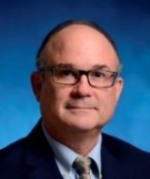 John N. Aucott, M.D. (Chair)
Assistant Professor, Division of Rheumatology,
Johns Hopkins University School of Medicine;
Director, Johns Hopkins Lyme Disease Clinical Research Center
Dr. Aucott is an Assistant Professor in the Division of Rheumatology at The Johns Hopkins University School of Medicine and an attending physician at The Johns Hopkins Hospital. He has three decades of academic and clinical experience in infectious disease and is renowned for his expertise in translational research on Lyme disease and post-treatment Lyme disease syndrome. In addition to his work as a practitioner and an educator, Dr. Aucott is the Director of the Johns Hopkins Lyme Disease Clinical Research Center, where he leads a major research program focusing on both the acute and chronic manifestations of Lyme disease.
Dr. Aucott has been awarded numerous research grants from federal agencies and private organizations, and has more than 20 peer-reviewed publications on tick-borne diseases. For his pioneering work in the field, Dr. Aucott received both the 2015 Lauren F. Brooks Hope Award from the Global Lyme Alliance and the 2015 Research Achievement Award from the National Capital Lyme Disease Association.
In His Own Words: “My hope is to accomplish many of the goals set out in the 2010 Institute of Medicine report that called for a reframing and refocusing of research with the goal of generating new ways to reduce the burden of tick-borne diseases. Specifically, improved diagnostic testing for both acute disease and response to therapy, and the identification of markers for those who have persistent symptoms will be key factors in this shift. I believe that high-quality science could emerge as a mediating common ground to reduce the polarity between groups, and to refocus on areas of agreement and opportunity for the creation of better care and treatment paradigms going forward.”
 Kristen Honey, Ph.D., P.M.P. (Vice-Chair)
Senior Policy Analyst, Office of Management and Budget, Executive Office of the President; Senior Research Scholar, Stanford University; Member, Stanford University Lyme Disease Working Group
Dr. Honey is a Senior Policy Analyst in the White House Office of Management and Budget, Executive Office of the President, Washington D.C. She is also a Senior Research Scholar at Stanford University and member of the Stanford University Lyme Disease Working Group. As a broadly trained biologist and ecologist with a passion for real-world challenges, she gravitates to “wicked problems” like tick-borne diseases. She transforms scientific methods through open data, open science, open source, and open innovation (e.g., crowdsourcing, citizen science, prizes, challenges, and public-private collaborations). In 2015 to 2016, Dr. Honey co-founded Lyme Innovation and led data-driven innovations for invisible illness, mental health, and suicide prevention from the White House Office of Science and Technology Policy. She was a 2013–2015 Science and Technology Policy Fellow with the American Association for the Advancement of Science.
Dr. Honey earned her Ph.D. at Stanford University in the Emmett Interdisciplinary Program in the Environment and Resources, School of Earth Sciences, while simultaneously earning a Ph.D. minor in Civil and Environmental Engineering. She holds an M.A. in Environmental Studies from the University of California, Santa Cruz, and a B.A. in Human Biology with Honors from Stanford University. She is originally from Portland, Maine, and the small island town of Long Island in Casco Bay, Maine, and is a late-stage Lyme disease survivor.
In Her Own Words: “I am a late-stage Lyme disease survivor. My personal Lyme healing journey is one of grit, courage, and inspiring recovery.”
 Wendy Adams, M.B.A.
Research Grant Director, Bay Area Lyme (BAL) Foundation
Ms. Adams is the Research Grant Director for the Bay Area Lyme Foundation, and a founding board member of the Lyme Disease Biobank, an initiative to collect well-characterized Lyme disease samples to facilitate research on Lyme disease and other tick-borne infections. She also conceived of and instituted BAL’s Emerging Leader Award, which aims to foster a new generation of research by funding early career scientists who are working on Lyme disease diagnostic and therapeutic research.
Ms. Adams previously served as Chief Business Officer at Full Spectrum Genetics, Inc., an antibody-engineering company pursuing programs in immuno-oncology and autoimmune disease. She is also a fully recovered Lyme patient whose personal experience inspired her to actively pursue a cure for tick-borne diseases.
In Her Own Words: “Tick-borne disease diagnosis and treatment have not progressed with the same speed as other diseases like cancer and diabetes. We are still using drugs from the 1960s and a test from the 1980s. Physicians want nothing more than to diagnose and treat people appropriately, but with insensitive tests and ineffective drugs, their toolkit is limited. In the near term, I believe the linchpin of sound tick-borne disease policy is a sensitive, specific test for early B. burgdorferi infection. Giving doctors that tool, in and of itself, could stem the tide of patients who go on to experience chronic symptoms.”
 Charles Benjamin (Ben) Beard, Ph.D.
Acting Deputy Director, Division of Vector-Borne Diseases,
Centers for Disease Control and Prevention,
U.S. Department of Health and Human Services;
Associate Editor, Emerging Infectious Diseases
Dr. Beard earned a B.S. in 1980 at Auburn University, a M.S. in 1983 at the Louisiana State University School of Medicine, and a Ph.D. in 1987 at the University of Florida. He was a post-doctoral fellow and associate research scientist at the Yale University School of Medicine from 1987 to 1991. In 1991, he joined CDC’s Division of Parasitic Diseases, where he served as Chief of the Vector Genetics Section from 1999 to 2003. In 2003, he moved to CDC’s Division of Vector-Borne Diseases in Fort Collins, CO to become Chief of the Bacterial Diseases Branch. In this capacity, he coordinated CDC’s programs on Lyme borreliosis, tick-borne relapsing fever, Bartonella, plague, and tularemia. During his tenure at CDC, Dr. Beard has worked in the prevention of vector-borne diseases, both in the domestic and global arenas. In addition to his work as Chief of the Bacterial Diseases Branch, in 2011 Dr. Beard was appointed as the Associate Director for Climate Change in CDC’s National Center for Emerging and Zoonotic Infectious Diseases, where he coordinated CDC’s efforts to mitigate the potential impact of climate variability and disruption on infectious diseases in humans. In 2017, he was appointed as the Acting Deputy Director of CDC’s Division of Vector-Borne Diseases. He has published over 125 scientific papers, books, and book chapters collectively, and has served on a variety of committees and panels both inside and outside of CDC, including working groups or advisory panels for the World Health Organization, the Bill & Melinda Gates Foundation, and the American Meteorological Society. He is an Associate Editor for Emerging Infectious Diseases and past president of the Society for Vector Ecology and served as Deputy Incident Manager for CDC’s Zika virus outbreak response.
 Commander Scott Cooper, P.A., M.M.S.
Senior Technical Advisor and Lead Officer for Medicare Hospital Health and Safety Regulations,
Centers for Medicare and Medicaid Services,
U.S. Department of Health and Human Services
Commander Cooper is a physician assistant (PA) officer in the United States Public Health Service (USPHS). Since 2003, he has been assigned to the Centers for Medicare & Medicaid Services, where he is the senior technical advisor and the lead officer responsible for the Medicare health and safety regulations for the nation’s nearly 5,000 hospitals. During this time, he has been responsible for the publication of numerous national hospital rules aimed at improving patient safety and care, but which still allow hospitals the flexibility to employ evidence-based “best practices” in their efforts to provide higher quality patient care at a reasonable cost.
In 2013, Commander Cooper completed a long-term special assignment to the Commonwealth of the Northern Mariana Islands where he served as the first compliance officer and special advisor for the Commonwealth’s only hospital, which was struggling to address significant patient safety and quality of care issues. Additionally, Commander Cooper has over a decade of experience responding to various public health emergencies throughout the nation; most recently, he was part of the USPHS response to Hurricane Harvey in Texas and prior to that he served as the mission chief for a team that responded to a suicide epidemic on an Indian reservation in South Dakota in 2015.
In addition to being stationed with the Federal Bureau of Prisons early in his public health career, Commander Cooper also has extensive clinical experience working with patients in private sector hospitals, primarily in the specialty of cardiac surgery, with over 20 years of experience as a PA. He graduated from the Emory University School of Medicine Physician Assistant Program in 1996 with a Master of Medical Science degree.
In His Own Words: “Through my work at CMS, I have had the opportunity to become involved in many issues surrounding infection prevention and control. Part of that work has been looking at the potential use of antimicrobial stewardship programs to combat antimicrobial resistance and its dangers to public health. My participation in the federal steering committees for both the HHS Action Plan to Prevent Health Care-Associated Infections and the National Action Plan for Combating Antibiotic-Resistant Bacteria has made me keenly aware of the need for medical science and government to address emerging and growing infectious disease threats, including those where organisms have developed resistance to drugs that were once effective against them.
I believe that a coordinated and evidence-based approach to Tick-Borne Disease (TBD) will be an important part of these larger efforts. I am encouraged by the fact that the TBD Working Group has been established and believe that it is needed to address this specific area of infectious disease and public health. Since there appear to be areas of disagreement over tick-borne disease research, prevention, diagnosis, treatment, sequelae, etc., a working group focused on tick-borne disease is a crucial first step toward finding ways to effectively and safely care for patients living with tick-borne disease now and to eliminate the threat of living with TBD for those in the future.”
 Dennis M. Dixon, Ph.D.
Chief, Bacteriology and Mycology Branch,
National Institute of Allergy and Infectious Diseases,
National Institutes of Health,
U.S. Department of Health and Human Services
Dr. Dixon is Chief of the Bacteriology and Mycology Branch, NIAID, NIH. He serves on numerous advisory panels on dangerous pathogens such as Select Agents and Dual Use Research and also antimicrobial resistance, including the Trans-Atlantic Task Force on Antimicrobial Resistance (TATFAR) and the Presidential Advisory Committee for Combatting Antibiotic Resistant Bacteria (PACCARB). He also serves on the Joint Oversight Committee for the Combatting Antibacterial Resistance Accelerator (CARB-X). His doctorate in microbiology is from the Medical College of Virginia. He held academic positions at Loyola College in Baltimore, the University of Maryland Medical School and Albany Medical College. He was a Visiting Scientist at Hoffman LaRoche, Switzerland, and was Director for the Mycology Reference Laboratory, New York State Department of Health. He is a member of the American Academy of Microbiology. His areas of expertise and leadership oversight in addition to the preceding policy issues are: all fungal diseases of humans and many bacterial infections in humans including Lyme disease, other zoonotic diseases including biodefense pathogens, and most “hospital acquired” bacterial pathogens.
 Richard Horowitz, M.D.
Member, World Health Organization’s Ad Hoc Committee for Health Equity
Dr. Horowitz has over 30 years’ experience in medicine as a board-certified internist. He has treated over 12,000 patients with tick-borne diseases, and he is past president of the International Lyme and Associated Diseases Educational Foundation. He co-authored peer-reviewed Lyme guidelines, and has trained over 100 healthcare providers in diagnosing and caring for patients with treatment-resistant tick-borne disorders. He is also the author of two best-selling books on Lyme disease, Why Can’t I Get Better? Solving the Mystery of Lyme and Chronic Disease (2013) and How Can I Get Better? An Action Plan for Treating Resistant Lyme and Chronic Disease (2017). These books incorporate recent scientific advances and explain in detail how healthcare providers can effectively diagnose and treat resistant illness.
He is a member of the World Health Organization’s Ad Hoc Committee for Health Equity, which engages in work to help improve Lyme diagnostics and treatment, and he has served as a consultant to governmental agencies around the world, including those in China, Australia, Belgium, France, the United Kingdom, and the United States. He assisted members of Congress with drafting portions of the 21st Century Cures Act, which created the Federal Tick-Borne Disease Working Group, and has actively worked with local, state, and federal representatives over the past 30 years to improve the diagnosis and treatment of tick-borne disorders.
In His Own Words: “I anticipate that by serving on the Federal Tick-Borne Disease Working Group, I can provide solutions for improving the diagnosis and treatment of tick-borne diseases, and recommend a new paradigm to prevent, diagnose, and treat chronic illness. My expectation for the group is that we will work together in a productive manner to solve some of the most difficult healthcare challenges facing the American people.”
 Captain Estella Jones, D.V.M.
Director, Medical Countermeasure Regulatory Science and Senior Regulatory Veterinarian,
Office of Counterterrorism and Emerging Threats,
Food and Drug Administration,
U.S. Department of Health and Human Services
Captain Jones serves as Director for Medical Countermeasure Regulatory Science and as Senior Regulatory Veterinarian in the Office of Counterterrorism and Emerging Threats in the Office of the Commissioner at the Food and Drug Administration (FDA). She currently serves as Chairperson for the NIAID Integrated Research Facility Animal Care and Use Committee at Fort Detrick and represents the FDA on the National Interagency Confederation for Biological Research (NICBR) Fort Detrick Interagency Coordinating Committee (FDICC). She previously worked at the World Health Organization at the Institute for Primate Research in Nairobi, Kenya and held a faculty appointment in Comparative Medicine and Anesthesiology at Baylor College of Medicine in Houston, Texas. Captain Jones served at the National Institutes of Health for 10 years and at the FDA for 14 years. She has also served as Director of Workforce Policy in the Office of the Assistant Secretary for HHS, working with DoD’s Secretary of Defense for Health Affairs and the Pentagon. She concurrently serves on the White House Subcommittee for Disaster Reduction, which advises the White House Office of Science and Technology Policy.
 Lise E. Nigrovic, M.D., M.P.H.
Director, Population Health Sciences and Health Services Research Center
of the Institutional Centers for Clinical and Translational Research, Boston Children’s Hospital;
Chair, Pediatric Emergency Medicine Collaborative Research Committee, American Academy of Pediatrics
Dr. Nigrovic is an attending physician in pediatric emergency medicine at Boston Children’s Hospital, where she provides care for acutely ill and injured children, including those with tick-borne infections. She also directs the hospital-wide Population Health Sciences and Health Services Research Center of the Institutional Centers for Clinical and Translational Research, and serves as the current chair of the Pediatric Emergency Medicine Collaborative Research Committee of the American Academy of Pediatrics.
Recognizing both the limitations in current Lyme disease diagnostics as well as the relative underrepresentation of children in clinical studies of tick-borne infections, Dr. Nigrovic founded and directs Pedi Lyme Net, a six-center pediatric clinical research network with an associated Pediatric Lyme Disease Biobank. The network’s primary goal is to evaluate new approaches to Lyme disease in children. To date, it has enrolled more than 1,200 children.
Dr. Nigrovic has received grant funding from Boston Children’s Hospital, Harvard Catalyst, the Milton Foundation, the Bay Area Lyme Foundation, and the Centers for Disease Control, and has published widely on pediatric Lyme disease. She speaks nationally and internationally about the evaluation and treatment of acute Lyme disease in children, and she is an active member of the Infectious Disease Society of America (IDSA) Lyme disease guideline panel and chairs the geography section.
In Her Own Words: “Approximately half of the new cases of Lyme disease occur in children who spend disproportionately more time outside. However, available serologic assays for Lyme disease have been tested primarily with adults. Clinicians need to make initial management decisions before results of Lyme disease testing are available, so we need better diagnostic tools to predict the risk of Lyme disease in children.”
 Allen L. Richards, Ph.D.
Director, Rickettsial Diseases Research Program,
Naval Medical Research Center,
U.S. Department of Defense (DoD)
Dr. Richards has more than 25 years of experience in studying rickettsiae and rickettsial diseases with extensive experience in developing and evaluating O. tsutsugamushi vaccine candidates, diagnostics, genomics, and biology in Leptrombidium mites, and murine and non-human primate models of scrub typhus, and surveillance studies throughout the world including tick-, mite-, flea-, louse-, and mosquito-borne rickettsiae. He began his work in the field of rickettsiology at the Naval Medical Research Institute (NMRI) in 1989. Subsequently, he worked at the Naval Medical Research Unit No. 2 in Jakarta where he was in charge of the immunology department and the rickettsial diseases research program. He is now heads the DoD’s Rickettsial Diseases Research Program at the Naval Medical Research Center, where he is involved in research on rickettsial epidemiology, pathogenesis, and immunology as well as in the development and evaluation of rickettsial diagnostic assays and vaccine candidates.
In His Own Words: “Tick-borne diseases are an expanding set of diseases that are of concern worldwide as well as in the U.S. and to our military. It is essential that we work together to ensure that appropriate diagnostics, surveillance, and mitigation processes are utilize and develop to lessen the impact of TBD. Hopefully, within the 6-year period of the Tick-Borne Disease Working Group, we will have transitioned from individual diagnostic assays to TBD panels or syndromic panels that will allow for the efficient, sensitive and specific diagnosis of tick-borne disease. Moreover, studies in host-pathogen-vector interaction will allow us to more specifically interfere with disease transfer at the pathogen and vector level. Last, vaccines will hopefully be developed to one or more tick-borne disease during the 6-year period.”
 Vanila M. Singh, M.D., M.A.C.M.
Chief Medical Officer, Office of the Assistant Secretary for Health,
U.S. Department of Health and Human Services
Dr. Singh is the Chief Medical Officer for the Office of the Assistant Secretary for Health at the U.S. Department of Health and Human Services (HHS). She serves as the primary medical advisor to the Assistant Secretary for Health on the development and implementation of HHS-wide public health policy recommendations. She is also a clinical associate professor of anesthesiology, perioperative and pain medicine at Stanford University School of Medicine. Dr. Singh is board-certified in both anesthesiology and pain medicine, and she specializes in treating patients with complex chronic pain issues. Her practice focuses on regional anesthesia with a specialty in advanced ultrasound-guided procedures for pain management and anesthesia medicine.
She graduated from the University of California at Berkeley with a bachelor of science degree in both molecular and cell biology and economics. She earned her medical degree from the George Washington University School of Medicine & Health Sciences. Dr. Singh completed her internal medicine internship at Yale University School of Medicine and her anesthesiology residency and pain medicine fellowship at Cornell-Weill New York Hospital, which included training at Memorial Sloan Kettering and the Hospital for Special Surgery. She earned a master’s degree in academic medicine through the University of Southern California’s Keck School of Medicine in 2016.
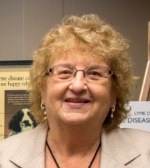 Patricia V. Smith
President, Lyme Disease Association
Ms. Smith is in her 20th year as president of the national nonprofit Lyme Disease Association (LDA), and a member and former officer of the International Lyme & Associated Diseases Society. Under her leadership, the LDA helped to endow the Columbia University Lyme & Tick-Borne Diseases Research Center, which opened in 2007. In 2016, she was appointed to the U.S. Department of Defense’s Programmatic Panel for the Tick-Borne Disease Research Program. She is also a member of the Food & Drug Administration’s Pesticide Environment Stewardship Program (PESP) Partnership to prevent tick exposure, and the Integrated Pest Management (IPM) Institute of North America’s Tick IPM Working Group, a public-private partnership to eradicate tick-borne diseases.
Ms. Smith has helped secure passage of state and federal bills for Lyme research and physicians’ right to treat, and worked with members of Congress to develop the 21st Century Cures Act. She has worked to increase research funding for tick-borne diseases—leading to the award of more than 100 research grants and findings that have been published in 42 scientific journals. She has also organized 18 continuing medical education conferences on Lyme disease for doctors and researchers, and developed materials that have been distributed to more than 2.5 million people, including: an ABCs of Lyme Disease pamphlet for parents and educators; the LymeR Primer brochure, which has information on 20 U.S. tick-borne diseases; the Tick Mark bookmark; and Tick Awareness cards.
In Her Own Words: “I have a diverse background on tick-borne diseases, which includes being the parent of two children with Lyme disease, and devoting more than three decades to educating the public, policy makers, businesses, and schools about tick-borne diseases. My work has been informed by the TBD experiences of my own family and people I’ve met across the nation, and this has given me a perspective on what patients really experience—both with tick-borne diseases and with the healthcare system that has not always been friendly to Lyme patients. Currently, there are tremendous gaps in research in all areas, but, in particular, in diagnosis, treatment, and controlling tick vectors. It has been my life’s work as a non-scientist to close those gaps for people living with tick-borne diseases.”
 Karen Vanderhoof-Forschner, J.D., M.B.A.
Co-founder, Lyme Disease Foundation (LDF)
Ms. Vanderhood-Forschner became involved in the response to Lyme disease after contracting it during pregnancy. Her son, Jamie, who was infected perinatally, died of the disease in 1991 at age 5. With intensive treatment, Ms. Vanderhood-Forschner was able to have a healthy child in 1994, and she has remained symptom-free for 20 years.
For 24 years, Ms. Vanderhoof-Forschner oversaw the LDF’s daily operations, and led its fundraising and outreach activities. She managed $500,000 in external grants which led to the publication of 130 scientific articles on tick-borne disease, and she founded a peer-reviewed scientific journal, the Journal of Spirochetal and Tick-Borne Disorders. Her education efforts included designing and distributing 10 million brochures and tick cards, and producing nine award-winning television programs and videos. She also launched a high-profile media campaign that raised national awareness about Lyme disease in 1988. This feat gained the attention of TIME Magazine, which called it the “most successful awareness campaign” among advocates trying to call attention to little-known illnesses.
Through her leadership, the LDF obtained the first federal funds to establish a research unit for tick-borne disease. She has also worked closely with members of Congress and state legislatures to analyze and develop legislation to support people living with tick-borne disease.
In Her Own Words: “Lyme disease handicapped and killed my son. The time for definitive solutions was years ago. I am determined not to leave this medical conundrum for the next generation. When I first conceived of this committee years ago, it was a team of experts looking for scientific solutions that would stop Lyme disease from wrecking lives. I know there are 14 people in the United States who can work together to develop an action plan—not only to stop the spread of tick-borne diseases, but also to find solutions for those individuals who are currently suffering from them. Now is the time to assemble a team, roll up our sleeves, and get to work!”
 Gary Wormser, M.D.
Professor of Medicine, Microbiology and Immunology, and Pharmacology;
Vice Chairman, Department of Medicine,New York Medical College
Dr. Wormser is a world authority on infections transmitted by the black-legged (deer) tick (Ixodes scapularis), including Lyme disease, human granulocytic anaplasmosis (HGA), and babesiosis. He is Professor of Medicine, Microbiology and Immunology, and Pharmacology at New York Medical College, where he has also served as Vice Chairman of the Department of Medicine for the past decade. He has done seminal studies on the prevention, clinical manifestations, pathogenesis, laboratory diagnosis, and treatment of infections tick-borne diseases, and was the first to document the development of drug-resistant strains of Babesia microti in humans. He is currently the principal investigator for a National Institutes of Health study to identify small molecule biosignatures that can be used for the primary diagnosis of Lyme disease, as well as to monitor disease progression or cure.
In addition to his research on tick-borne diseases, Dr. Wormser currently serves on the editorial board of Ticks and Tick-borne Diseases, Vector Borne and Zoonotic Diseases, Clinical Infectious Diseases, the Archives of Medical Science, and PLOS ONE, and has written over 500 publications—many on tick-borne diseases.
In His Own Words: “I have published over 200 articles on Lyme disease and am interested in improving methods for diagnosing active infection and for prevention of infection. I have had a long-standing interest in better defining the cause(s) of post-treatment symptoms. I was the lead author of the two prior Lyme disease treatment guidelines by the Infectious Disease Society of America (IDSA). My goal is to promote evidence-based medicine as it relates to Lyme disease and other tick-transmitted infections.”
For more information about the federal Tick-Borne Disease Working Group, see the HHS website. https://www.hhs.gov/ash/advisory-committees/tickbornedisease/members/index.html
Initial meetings of the working group will be held in Washington DC on December 11 and 12. Click here for information about how the public can attend, either in person and via webinar. https://www.hhs.gov/ash/advisory-committees/tickbornedisease/meetings/2017-12-11/index.html


