http://www.thevaccinereaction.org/2018/04/comparative-diets-to-address-chronic-inflammation/

Comparative Diets to Address Chronic Inflammation


The following is the first half of a two-part article on nutrition that addresses chronic inflammation.

One of the hallmarks of many chronic diseases and disorders is unresolved inflammation in the body. Chronic inflammation can develop when the immune system’s normal inflammatory response to an implied threat continues unabated rather than turning off once the threat is gone.1

Chronic inflammation is a common link among autoimmune disorders like rheumatoid arthritis, lupus and multiple sclerosis; in cardiovascular disorders that lead to heart attacks and strokes; in neurological disorders such as Alzheimer’s, Parkinson’s and epilepsy; and in mental disorders such as depression and schizophrenia.1 Vaccination has been reported to trigger the development of autoimmune disorders associated with chronic inflammation. 2

Infections and Vaccination: Two Different Kinds of Inflammatory Responses and Immunity

Infections and vaccines stimulate different kinds of inflammatory responses in the body to produce antibodies that confer two different kinds of immunity. Naturally acquired active immunity is attained after a person experiences a viral or bacterial infection and the body mounts an inflammatory response to stimulate the production of antibodies and confers long lasting natural immunity. Artificially acquired immunity, which is not identical to naturally acquired immunity, is attained when a person receives a vaccine and the body mounts an inflammatory response to produce antibodies and confers temporary immunity. Booster doses of vaccines to re-stimulate inflammatory responses are often given to lengthen artificial vaccine acquired immunity. 3

Depending upon various genetic, biological and environmental risk factors, some people do not resolve inflammation either after an infection or vaccination and can develop chronic inflammation in the body that leads to chronic health problems.45 In addition to lab altered viruses and bacteria, there are many recognized toxins in childhood vaccines that either singly or in combination cause inflammation in the brain and other parts of the body, including mercury, aluminum, formaldehyde, MSG, antibiotics, polyethylene glycol (antifreeze), squalene, virus like particles and adventitious agents.67

Acute inflammation is easy to recognize: heat, swelling, pain and redness at the site of injury or infection. Chronic inflammation is not quite so obvious, but there are common symptoms that indicate its presence. Some of the most frequently reported include headaches and brain fog, bloating and other digestive problems, joint pain, rashes, fatigue, weight gain, gum disease and mood issues8—many signs familiar to parents of autistic and/or vaccine-injured children.9

Diets Address Chronic Inflammation in Vaccine-Injured Children

The childhood vaccine schedule used in the U.S. has been questioned as a potential factor in the development of inflammatory chronic brain and immune system disorders in children.10

It is an unfortunate fact that those who question the safety of vaccines often “come to the table” following a firsthand experience with a vaccine reaction… in other words, too late to avoid the potentially devastating impact such a reaction can have on their own life or the life of their child. Since conventional medicine rarely acknowledges the connection between vaccination and chronic brain and immune disorders in children, it can be difficult to know where to turn after a vaccine reaction has occurred and there is often lag time before parents find a supportive network. In the search for healing, one of the first avenues explored by parents and doctors specializing in biomedical and holistic health interventions involves nutrition therapy.

Diet is among the most basic of approaches to addressing chronic inflammation. The connection between diet and the risk for developing inflammatory disorders has been recognized for at least 50 years, though studies have been inconclusive about the role played by specific foods and nutrients.11 Nevertheless, harnessing the power of food often can help counteract a chronic inflammatory process and improve some of the related symptoms.

Dietary Fundamentals for Reducing Inflammation

With all the “named” diets available, it can be daunting to decide which direction to turn. Most anti-inflammatory diets share certain basic tenets: avoid sugar and processed foods; stay away from refined flour, wheat, white foods like pasta, rice and bread; and eliminate unhealthy fats. Foods that are often recommended to reduce inflammation in the body are fresh fruits, dark green leafy vegetables, high-quality proteins like cold-water fish, and healthy fats. Some nutritionists suggest that the so-called nightshade foods, which include tomatoes, eggplant, peppers, goji berries and white potatoes, may trigger inflammation in some people,9 and commercial milk products may also cause inflammation in people who are sensitive to lactose or milk proteins.11

Food additives, including dyes, preservatives and artificial flavorings and sweeteners, and high-fructose corn syrup have been pinpointed as problematic for many children with autism spectrum disorders (ASD)12 and some nutritionists suggest avoiding them when trying to reduce systematic inflammation through dietary changes.

The Difference Is in the Details

Some of the most well known diets that surface in an online search for foods that fight inflammation include: the Gut and Psychology Syndrome (GAPS), Paleo, Mediterranean, Atkins, DASH, TLC, Mayo Clinic, Weight Watchers, Raw Food, Keto, The Zone, Whole30, Autoimmune Protocol, Dr. Hyman’s Detox and Dukan…to name just a few.  The annual U.S. News & World Report review of dietary rankings13 and other reviews14of current diet trends can provide an overview for understanding different dietary approaches.

What Do the Experts Say?

The choice of an “anti-inflammatory” diet that limits foods, which have been identified as “pro-inflammatory,” depends on consideration of individual factors, such as specific food sensitivities, personal taste preferences, or the simple desire to try a dietary regimen that sounds interesting.

According to Harvard University’s HealthWatch, “Choose the right foods, and you may be able to reduce your risk of illness. Consistently pick the wrong ones, and you could accelerate the inflammatory disease process.”15 Included in the HealthWatch list of pro-inflammatory foods that should be avoided to reduce inflammation include:

  • Refined carbohydrates, such as white bread and pastries
  • French fries and other fried foods
  • Soda and other sugar-sweetened beverages
  • Red meat (burgers, steaks) and processed meat (hot dogs, sausage)
  • Margarine, shortening, and lard

Anti-inflammatory foods include:

  • Tomatoes
  • Olive oil
  • Green leafy vegetables, such as spinach, kale, and collards
  • Nuts like almonds and walnuts
  • Fatty fish like salmon, mackerel, tuna, and sardines
  • Fruits such as strawberries, blueberries, cherries, and oranges

__________________

For More:  https://madisonarealymesupportgroup.com/2018/02/03/do-these-popular-diets-make-you-nutrient-deficient/

https://madisonarealymesupportgroup.com/2016/05/25/nutritional-video/

https://madisonarealymesupportgroup.com/2017/11/24/feel-helplessly-predestined-for-disease-listen-to-this/  In this talk Cyndi O’Meara discusses challenges with wheat.

https://madisonarealymesupportgroup.com/2017/05/20/minding-your-mitochondria/  Diagnosed with MS, Dr. Terry Wahls received the best standard medicine had to offer. After declining to the point of being in a wheel chair, she took matters into her own hands and learned how to properly fuel her body. Using the lessons she learned at the subcellular level, she used diet to cure her MS and get out of her wheelchair.

https://madisonarealymesupportgroup.com/2018/04/04/more-about-healing-from-mcas/

http://drjaydavidson.com/lymphatic-system/?

169657_LymphaticSystem_batch1_nonIG_Op1_012218

ACTIVATE YOUR LYMPHATIC SYSTEM FOR IMPROVED DRAINAGE AND DETOX

by Dr. Jay Davidson

Article Summary:

  • The lymphatic system, a vital part of the immune system, is comprised of lymph nodes, glands, and vessels, which gather waste and interstitial fluid. The lymphatic system also transports white blood cells into the bones and transports fatty acids.
  • Your spleen is part of your lymphatic system, working to filter blood, and house white and red blood cells and platelets. Your tonsils, another part of the lymphatic system, contain B cells that fight infections, and your thymus gland helps T cells, a type of lymphocytes essential to the immune system, to mature.
  • Those with chronic illness, sedentary lifestyle, or recent surgery can suffer from stagnant lymph. Some signs that lymphatic fluids might not be flowing well within your body include swelling, constipation, tender nodes, weight gain, frequent infections and viruses, and chronic congestion or sore throat.
  • Your lymphatic system doesn’t have a pump (like the heart) to move fluids throughout the body, so it relies on gravity and movement. One of the best things you can do for lymph movement is exercise: yoga, running, team sports, or whatever gets you off the couch and moving your feet. Any type of movement, even vigorous household cleaning, can be helpful.
  • Self-drainage massages, myofascial releases, and professional lymphatic drainage massages also act as a pump to encourage lymph fluid from remaining stagnant. If you’re doing one at home, make sure to use soft, gentle pressure.
  • Rebounding is another excellent activity for lymphatic drainage. You can buy an inexpensive, personal-sized trampoline and bounce on it for just 5-10 minutes a day.
  • Eating organic vegetables, fresh fruits, and homemade juices, along with staying hydrated, are additional ways to give your body an edge with lymphatic health.

What Does Lymph Do in the Body?

The lymphatic system is an important part of the immune system, consisting of lymph nodes, but also the spleen, thymus gland, tonsils, bone marrow, and lymphatic vessel (which transports the lymph).

It runs parallel to the circulatory system, much of it flowing against gravity (in the direction from your feet to your chest). Because the lymphatic system doesn’t have a pump like the circulatory system does with the heart, it relies on movement, muscles, and joints to keep it flowing.

Stagnant lymph is a huge problem, especially those who face chronic illnesses, like Lyme disease. When your lymphatic fluid is not moving through the body, toxins and waste will build up since the body is not properly draining, causing unpleasant symptoms. When your lymph is stagnant, it gets thick and heavy. Think about dumping thick bacon grease down your drain instead of just water—everything will start to slow down and back up. Here are some other functions of the lymphatic system:

-Aids in removing toxins and waste
-Removes fluid (lymphedema)
-Produces immune cells that fight infection and disease
-Absorbs fatty acid and transports fats

How Do I Know if My Lymph Is Stagnant?

Because one of the primary jobs of the lymphatic system is waste removal, it can be compared to the garbage disposal in your kitchen sink. When everything is working properly, the disposal removes leftover foods, vegetable tops and peels, and unfinished drinks easily, with just the flip of a switch. The leftovers are then sent off to your septic system and water treatment plant for further processing and purification. When the lymphatic system is stuck, though, old foods and liquids (lymphatic fluid and waste), build up in your sink and cannot be processed correctly. And after just a day, your sink starts to smell. Before, water flowed down the drain nicely, without effort. Now, food and liquid have combined to make a thick, sludgy soup that the disposal isn’t able to get rid of. So you call a plumber to plunge it or use Drain-o, in the same way you physically manipulate your lymphatic system through massage or very clean eating and juicing, to get the whole system on track and working properly again.

Commonly, lymph nodes in the back of the neck or under the armpits are the ones that feel congested or tender when you’re sick. But you have lymph nodes all over your body! In fact, only recently did researchers discover that the brain has its own lymphatic fluid, called “glymph.” The “G” in glymph refers to glia, Greek for “glue.” Glial cells help form myelin (a fatty compound that insulates nerve cells) and support neurons. The glymphatic system processes waste and toxins from the central nervous system through cerebrospinal fluid. This is why sleep is so vital to healing, because it’s during sleep that the brain and nervous system can process all of this glympathic fluid.1 This neurotoxic waste removal is important for anyone, but especially those dealing with Lyme disease and co-infections, which have an affinity for the brain, causing neurological symptoms. Along with keeping the lymphatic fluid flowing, it’s important that your glymph drains each night and does not get congested.


Lymphatic Congestion

Unless you have a very painful lymph node, you might not be aware of a lymph stagnancy problem in your body. There are countless clues your body provides that might alert you to the issue. Here are some of the common signs of stuck lymphatic fluids:

-Swollen, painful lymph nodes
-Enlarged glands
-Constipation
-Congestion
-Clogged ears
-Sore throat
-Inflamed tonsils
-Itchy or dry skin
-Frequent viruses or infections
-Retaining fluids
-Fatigue
-Unexplained soreness
-Confusion or brain fog
-Food or chemical sensitivities
-Weight gain
-Increased allergies

Activating your lymphatic system doesn’t require a trip to the doctor or a prescription. Though it is possible to get a professional lymph drainage massage, there are plenty of ways to move lymphatic fluid right from the comfort of your home. The biggest focus for lymphatic health is movement—any type of exercise, yoga, or stretching can be beneficial to boost your body’s natural drainage and detox capabilities. Other lifestyle choices, like eating a clean diet, dry brushing, and using essential oils, can help, too.

Ways to Keep Lymph Flowing

Rebounding: Buy a small, personal-sized trampoline and bounce on it for 5-10 minutes a day. While burning a lot of calories and strengthening your skeletal system and muscles, this also works as a pump for your lymphatic fluid. It’s also a great way for those with joint pain to get cardio and aerobic exercise, without pounding the pavement and going for a jog. Because of the changes in gravity while bounding, you’ll experience increased oxygen to the cells and potential improved function of pulmonary circulation.2

Castor Oil Packs: Pour a few tablespoons of cold-pressed, organic, hexane-free castor oil onto unbleached flannel and place it over your liver, which is found on the bottom of your right ribcage. Then, cover it with an old towel and an infrared heating pad, or any other heat source available. Relax for 30-60 minutes. You may hear gurgling and growling noises, which is great! That means the liver and gallbladder are moving, and hopefully, toxins are leaving. You can use the packs anywhere on your body in the same way—on your abdomen, your neck, or other places. For best results, use castor oil packs immediately before bed (many report better sleep after packs) and for three or four nights in a row.

Frankincense: A few drops of Frankincense, with a carrier oil like jojoba or coconut oil, can be applied to lymph nodes to reduce swelling, encourage movement, and improve blood flow. WO China Healing Oil is another wonderful oil for the lymphatic system.

Dry Skin Brushing: Using a natural bristle brush, glide gently over your skin, always moving toward your heart. Focus especially on places where lymph can become stagnant, like your armpits, neck, chest, and groin. This stimulates lymph nodes and circulation. Dry brushing is best done immediately before a shower, because showering washes away all dead skin cells that get removed in the brushing process.

Herbal teas: Warm herbal teas, like ginger, astragalus, red root, or cleavers, can help stimulate lymphatic movement, as well as keeping you hydrated. Ginger tea is a universally helpful one for digestive issues and overall cleansing.3 Astragalus is beneficial for Skin-Associated Lymphatic Tissue, boosting the immune system and potentially reducing congestion-related skin rashes.4 Red root can improve fatigue and lymphatic-related digestive issues by cleansing the intestinal lymph ducts. Cleavers contains antioxidants and properties to stimulate activity in the lymphatic system, while cleansing the blood.5

Drinking Water: One of the most common reasons for lymphatic congestion, besides your body fighting an infection, is due to stagnation or dehydration. Make sure you’re getting enough water throughout the day. Lymph is a clear-to-white liquid made of water, chyle (fluid from the intestines), proteins, and fat. Without consumption of water, the fluid does not flow well. To make sure you’re hydrated, boil some filtered water and keep it in a thermos for the day, taking small sips of it every 15 minutes. This technique, recommended by Dr. John Douillard, will rehydrate the lymphatic system within just a few weeks.6 Dr. Douillard, alongside Deepak Chopra, co-directed an Ayurvedic center. He also believes stress is an important factor contributing to lymphatic congestion, and encourages eating with the seasons and practicing stress-relief techniques.7

Clean Diet/Juicing: Eating a clean diet, with minimal processed foods and plenty of fresh vegetables and fruits, will keep the lymph flowing and waste flushing from your body. Juicing low-sugar fruits and vegetables, like kale, chard, parsley, celery, ginger, lemon, watercress, and cilantro can help, too. Green vegetables are alkalizing, which also reduces the burden on your system. Our blood has a pH of about 7.4, which tips on the side of alkaline versus acidic (7 is a neutral pH, while 0 is the most acidic and 14 is the most alkaline). However, because of environmental factors, chronic illness, and an acid-heavy diet, many people have a low pH, trending toward acidic. Alkaline foods include broccoli, chard, cucumber, watercress, lettuce, and most green vegetables. Acidic foods, ones you’d likely want to avoid anyway because of their lack of nutrition and inflammatory properties, include corn, corn syrup, soda, artificial sweeteners, processed breads and cereals, frozen meals, and cakes for example. Acidic foods can trigger acid reflux, kidney stones,8, fibromyalgia and pain,9 hormone imbalances, congested lymphatic fluid, and other health issues, while alkaline foods can promote healing and lymphatic flow.

Beets: Beets help thin the bile and cleanse the digestive system. They also contain betacyanin, a strong antioxidant that helps flush lymph. Any red fruit or vegetable is used in holistic medicine as a lymph mover, so along with beets, reach for strawberries, raspberries, pomegranate, cranberries, cherries, and even turmeric to support your detoxification pathways.

Lymphatic Massage or Self-draining Massage: Either a massage done by a professional, or a self-draining massage can stimulate the lymphatic system physically, prompting it to drain. Lymphatic massage and myofascial release have helped patients with idiopathic and systemic pain find release, according to studies. Swedish massage, probably the most common type, which rubs muscles in long, sliding strokes, did not show the same mood-boosting, joint- and pain-relief benefits.10 Instead of focusing on muscles and relaxation, a lymphatic massage instead targets the lymph nodes, promoting drainage, fluid movement, reduction of swelling, and congestion relief.

Legs Up The Wall: Much lymphatic fluids flow counter to gravity, so any type of inversion is beneficial to encourage natural movement. While lying on the floor on your back, swing your legs straight up and rest the backs of your legs (from thighs to heel) against the wall for support, creating a 90-degree angle with your body. Do some deep breathing exercises and relax. This is a great practice to do before bed, after a yoga practice, or if you’re feeling overwhelmed and stressed.

Yoga: Yoga encourages types of movements that you might not do on a daily basis, like twists and stretches, which help your circulation. In particular, twists, leg lifts, inversions, and even classic sun salutations encourage varied movement on the mat, helpful for the lymphatic system. For chronically ill, cat-cow, downward dog, and forward bends are gentler poses that are still fantastic.Yoga is also beneficial for improving general circulation, which also, in turn, helps the lymph flow to remove toxins. Along with poses, breathwork, or pranayama, can encourage proper lymphatic function, especially in the stomach and chest. Deep breathing increases oxygen, and can also improve mood and energy, too. An easy way to test your breathing is to place your hand on your stomach and the other on your chest, while standing. Take a few normal breaths, and notice what happens in your body. Are you breathing through your chest? Did your shoulders or stomach move? Many people breathe shallowly, through the chest, when instead, we should be breathing through the abdomen. Lying down and focusing on breathing through your belly can encourage lymphatic fluid to fill up the thoracic duct, located around the twelfth vertebrae to the base of the neck.

Any Exercise or Movement: Any type of exercise or movement, whether it be tai chi, walking, playing frisbee, or even weightlifting, is great for supporting movement of your lymphatic fluid. In a study on dogs, lymphatic flow was measured while dogs ran on a treadmill from 0-10 miles per hour. It took just one minute of exercise at 1.5 mph to notice a significant increase in lymphatic flow, which grew with each increase of speed.11 The act of exercising can especially increase flow in the thoracic duct, or the Van Hoorne’s canal, which is the biggest lymphatic vessel in the entire body, between 38-45 cms. Nearly three quarters of all lymph in the body must pass through this duct, including lower legs, abdomen, and the entire left side of the body. Aerobic exercise like walking or running, keeps this duct in particular, primed and functioning.

Warm Epsom Salt Baths: Epsom salt baths are an excellent detox tool to keep in your toolkit, since they also help promote drainage and stimulate circulation. Add 1-2 cups of Epsom salts to a warm bath. If you wish, you can add additional detoxification aids, like a few tablespoons of bentonite clay, apple cider vinegar, sea salt, or essential oils. Soak for 20-30 minutes, then rinse the salts off your body. You should feel relaxed afterward.If you have a negative reaction to Epsom salts (ie: you feel more fatigued or a little dizzy after), make sure the water isn’t too hot. You can also switch to Magnesium Chloride flakes, which can also help up the magnesium levels in your body. You may be sensitive to sulfates (Epsom salts are magnesium sulfate), if you have certain gene SNPs (like CBS) and if your transsulfuration pathways are blocked. If even regular showers or baths aggravate your symptoms, you can add the same ingredients to a large tub and detox through a foot bath.

Reduce Chemical Exposure in your Home and Environment

Your lymphatic system is like the trash removal service in your body. And when it’s overburdened, we want to do our best to intake less “garbage” and give it less work to do. An important point about health of the lymphatic system, besides exercise and diet, also includes looking to your environment.

Eliminating toxins in your home can be a huge help to your overall health and lymphatic health, especially with chronic illness. This means choosing organic produce and hormone- and antibiotic-free meats, ditching the chemical cleaners and perfume, finding cleaner alternatives to the makeup you wear.

Self-Massage for the Lymphatic System

It’s possible to do a self-massage on your head and neck to relieve swollen glands and promote lymphatic flow. You want the pressure to be gentle and light, rather than aggressive and strong. During or after the massage, you may feel drainage release from your nose and sinuses make its way down your throat. This is normal!

Most lymphatic massages involve circular motions on or around the lymph nodes, pumping them physically to help with movement and toxin removal.

Men and women might have different lymph nodes that become blocked and painful, due to physiological differences. Men, for example, may accumulate lymph in the inguinal nodes, near or above the front hip crease, due to activity in the prostate gland. Women, on the other hand, likely experience blocked, painful nodes in the axillary area, near the armpit toward the breast. 12

Light Beam Therapy and Lymphatic System Light

If home treatments aren’t enough, certain medical practitioners and naturopaths provide Light Beam Therapy for the lymphatic system. These light beams are specially designed to aid the body in moving lymphatic fluid through negative-charge light photons and low currents.13 During or after this therapy, stagnant lymph pathways should open up, releasing proteins and other fluids from the nodes and to the detoxification organs for processing.

The lymphatic system is a crucial part of the immune system, and one we don’t often consider when tending to our health and wellness. Even if you don’t experience chronic swelling, tender lymph nodes, congestion, itching, and weight gain, it’s never too early to start focusing on lymphatic health. Eating healthy and getting exercise is a great start, but consider some of the other tools mentioned here to optimize the flow of your lymphatic fluid and boost the health of your immune system. After all, you don’t want it to get backed up!

References:

  1. Asprey, Dave. “How To Detox Your Brain By Hacking Your Glymphatic System.”Bulletproof. Bulletproof, 13 Apr. 2017. Web. 11 Jan. 2018.
  2. Stanghelle, J., N. Hjeltnes, H. Bangstad, and H. Michalsen. “Effect of Daily Short Bouts of Trampoline Exercise During 8 Weeks on the Pulmonary Function and the Maximal Oxygen Uptake of Children with Cystic Fibrosis.” International Journal of Sports Medicine 09.1 (1988): 32-36. Europe PMC. Web. 11 Jan. 2018.
  3. Haniadka, Raghavendra, Elroy Saldanha, Venkatesh Sunita, Princy L. Palatty, Raja Fayad, and Manjeshwar Shrinath Baliga. “A Review of the Gastroprotective Effects of Ginger (Zingiber Officinale Roscoe).” Food & Function 4.6 (2013): 845-55. PubMed. Web. 11 Jan. 2018.
  4. Nalbantsoy, Aye, Tuna Nesil, Özlem Yimaz-Dilsiz, Gezide Aksu, Shabana Khan, and Erdal Bedir. “Evaluation of the Immunomodulatory Properties in Mice and in Vitro Anti-inflammatory Activity of Cycloartane Type Saponins from Astragalus Species.”Journal of Ethnopharmacology 139.2 (2012): 574-81. PubMed. Web. 11 Jan. 2018.
  5. Bokhari, Jasia, Muhammad R. Khan, Maria Shabbir, Umbreen Rashid, Shumaila Jan, and Jawaid A. Zai. “Evaluation of Diverse Antioxidant Activities of Galium Aparine.”Spectrochimica Acta Part A: Molecular and Biomolecular Spectroscopy 102 (2013): 24-29. PubMed. Web. 11 Jan. 2018.
  6. Jockers, David. “10 Ways to Improve Your Lymphatic System Function.” Cancer Prevention. The Truth About Cancer, 22 Sept. 2016. Web. 11 Jan. 2018.
  7. Douillard, John. “The Miracle of Lymph.” Dr. Douillard’s LifeSpa. LifeSpa, 08 Jan. 2018. Web. 11 Jan. 2018.
  8. Wagner, CA. “Urinary pH and Stone Formation.” Journal of Nephrology 23.16 (2010): 165-169. PubMed. Web. 11 Jan. 2018.
  9. Vormann, Jorgen, Michael Worlitschek, Thomas Goedecke, and Burton Silver. “Supplementation with Alkaline Minerals Reduces Symptoms in Patients with Chronic Low Back Pain.” Journal of Trace Elements in Medicine and Biology 15.2-3 (2001): 179-83. PubMed. Web. 11 Jan. 2018.
  10. Yuan, Susan Lee King, Luciana Akemi Matsutani, and Amelia Pasqual Marques. “Effectiveness of Different Styles of Massage Therapy in Fibromyalgia: A Systematic Review and Meta-analysis.” Manual Therapy20.2 (2015): 257-64. PubMed. Web. 11 Jan. 2018.
  11. Desai, Pratikkumar, Arthur G. Williams, Parna Prajapati, and H. Fred Downey. “Lymph Flow In Instrumented Dogs Varies With Exercise Intensity.” Lymphatic Research and Biology 8.3 (2010): 143-48. PubMed. Web. 11 Jan. 2018.
  12. “Lymphatic Therapy (Light Beam Generator).” Medicine Services. Center For New Medicine, 2017. Web. 11 Jan. 2018.
  13. “Lymphatic Therapy (Light Beam Generator).” Medicine Services. Center For New Medicine, 2017. Web. 11 Jan. 2018.

https://globallymealliance.org/dear-lyme-warriorhelp-4/

blog_Lyme-Warrior-Q-A_Jennifer-Crystal_3

by Jennifer Crystal

EVERY FEW MONTHS, JENNIFER CRYSTAL DEVOTES A COLUMN TO ANSWERING YOUR QUESTIONS. HERE ARE HER ANSWERS TO QUESTIONS SHE HAS RECENTLY RECEIVED. DO YOU HAVE A QUESTION FOR JENNIFER? EMAIL HER AT JENNIFERCRYSTALWRITER@GMAIL.COM.

Q. You once mentioned that a scan helped doctors to learn that you weren’t getting enough oxygen to the left side of your brain. What type of scan was it? And how did doctors know the poor oxygenation was caused by Babesia and not by another tick- borne illness?

A. I have had both MRIs and SPECT scans. It was the SPECT scan that allowed my doctor to specifically see that the left side of my brain was not getting enough oxygen. That SPECT scan was done 11 years ago; you may want to talk to your doctor to see if that is still the most accurate scan you can get.

As I described in my Air Hunger post, Babesia is a parasite that feeds on the oxygen in the red blood cells, depriving the patient of much-needed oxygen. In my case, my doctor knew the infection had flared up again because of the scan. I was also having symptoms of babesia including air hunger, post-exertional fatigue, and hypoglycemia. It’s important that you find a Lyme Literate Medical Doctor (LLMD) who can accurately diagnose and treat you, and who will know your case if and when you relapse.

Q. How long does a Herxheimer reaction last, and is there anything that will help speed up the process or lessen its effects?

A. A Jarish-Herxheimer reaction commonly referred to as a “Herx”, is when bacteria dies off faster than the body can eliminate them, making the patient feel worse before they feel better. This can seem counter-intuitive because when you take medication for an infection, you expect to feel better. But when you’re killing off a lot of spirochetes—especially if you’ve been sick for a long time—a Herxheimer reaction is natural and can be viewed as a good sign that the medication is working.

That said, a Herx can feel awful. Your fatigue is worse, your body feels laden with toxins, and you can barely move from bed except to run to the bathroom. The actual elimination of dead bacteria can be surprisingly intense; the first time I had a Herxheimer reaction, I couldn’t believe how often I was in the bathroom, or what was coming out of me. I can only describe it as “toxic bodily waste.”

For me, Herxheimer reactions tended to last up to a week or two, and then pass. Sometimes they were just a couple days long. It all depends on the patient, though. I know patients who have Herxed for a month or more. No matter how intense your Herxheimer reactions are, though, there are a few things you can do to lessen your suffering. These techniques worked for me:

  • Pulse your medications: Some doctors will have their patients take their antibiotics for a certain number of days or weeks, or then have them stop for a while to allow the body time to eliminate the dead bacteria. Other doctors switch up medications at certain intervals. Personally, I took single day breaks from medication when the Herxheimer reactions were especially intense.
  • Figure out which of your medications is causing the Herxheimer reaction. Herxheimer reactions can be caused by herbal supplements, not just by antibiotics or antimalarial medication. I find it’s best to only change one thing at a time in my own protocol; if I increase a homeopathic drop, I wait awhile to see how that goes before altering the dosage on a medication.
  • Eat foods that are known to help you detox: For me, lemon and onion work well; other patients use apple cider vinegar, or even intravenous Vitamin C, though this last option did not work well for me. Remember, everyone is different and you and your doctor need to figure out what’s best for you.
  • Drink lots of water to help flush your system.
  • Sweat: Those pouring night sweats are annoying, especially when you’re changing pajamas and sheets several times a night, but it means the infection is leaving your body. Some people find that light exercise helps. For me, though, exercise only made me feel worse. Others use infrared saunas to increase sweating. Personally, I can not handle the intense heat.
  • Electrolytes: Because you’re sweating so much, your electrolytes may become depleted. I find it helps to drink an electrolyte-infused beverage (try ones that are just water-based, without added sugar) to keep my sodium and potassium levels balanced. Sweating out spirochetes or parasites isn’t all that different from doing an intense cardiovascular workout, so you should consider how the electrolyte water is helping you to replenish your body.
  • Lymphatic drainage: When I’m herxing, bacteria tends to back up in my head, and my integrative manual therapist does lymphatic drainage and cranial sacral therapy to help open up flow from my brain. He also does neurofascial processing on organs that help the body detox, such as the liver. Note: avoid deep tissue massage at these times since it can hold toxins deeper in your body, making you feel worse.

These are only the detox methods that have worked best for me. There are many others recommended by both patients and doctors. At the 2017 International Lyme and Associated Diseases Society conference in Boston, I heard about curcumin, also known as turmeric, a member of the ginger family that acts as an anti-inflammatory and which has many uses to help mitigate Herxheimer reactions. Talk with your LLMD, and with other patients, about what works best for you.

Q. I know you’ve explained that you can’t give medical advice, but can you please tell me what your protocol was?

A. When you hear a story of someone in remission, it’s natural to want to know what they did to get there. But as I’ve explained in previous posts, telling you my specific protocol (which is ever-changing) is not the point, because every single case of tick-borne illness is different.  Even if your symptoms are similar to mine, our individual cases are guaranteed to be different in terms of how long we were sick, how long we went undiagnosed, whether our infections spread to the central nervous system, where else in the body the infections have spread, whether we have co-infections (and which particular ones), and, most importantly, how we responded to any given treatment. An antibiotic that worked well for me might not work at all for you. My protocol is tailored to my specific case, and yours needs to be, too. You and your LLMD may want to check out Dr. Richard Horowitz’s books Why Can’t I Get Better?and How Can I Get Better? Both books outline specific treatments for specific combinations of tick-borne illnesses.

In closing, let me say that in the past I’ve written about the big picture of what has helped me the most: a combination of medication and homeopathic supplements; nutritional supplements; a gluten-free, sugar-free diet; cognitive behavioral therapy; integrative manual therapy; talk therapy; and neurofeedback. I recommend a holistic or integrative approach that encompasses both Western and Eastern modalities as well as adjunct therapies. I recommend lots of rest and self-care. I recommend seeking out a helpful support system of concerned individuals. Unfortunately, I cannot recommend specific medications, and I hope you will understand that I withhold that information in the hope that you will find the right protocol fly working with your LLMD.


jennifer crystalOpinions expressed by contributors are their own.
Jennifer Crystal is a writer and educator in Boston. She is working on a memoir about her journey with chronic tick-borne illness. Contact her at jennifercrystalwriter@gmail.com


For more:  https://madisonarealymesupportgroup.com/2015/08/15/herxheimer-die-off-reaction-explained/

https://madisonarealymesupportgroup.com/2018/02/24/top-3-lyme-detox-myths-busted-dr-rawls/

https://madisonarealymesupportgroup.com/2015/12/06/tips-for-newbies/

https://madisonarealymesupportgroup.com/2018/03/05/how-proteolytic-enzymes-may-help-lyme-msids/

https://madisonarealymesupportgroup.com/2018/03/02/dmso-msm-for-lyme-msids/

http://www.mdpi.com/2227-9032/6/2/33

Persistent Borrelia Infection in Patients with Ongoing Symptoms of Lyme Disease

Marianne J. Middelveen 1, Eva Sapi 2OrcID, Jennie Burke 3, Katherine R. Filush 2, Agustin Franco 4, Melissa C. Fesler 5 and Raphael B. Stricker 5,* OrcID

Published: 14 April 2018
(This article belongs to the Special Issue Lyme Disease: The Role of Big Data, Companion Diagnostics and Precision Medicine)

Abstract
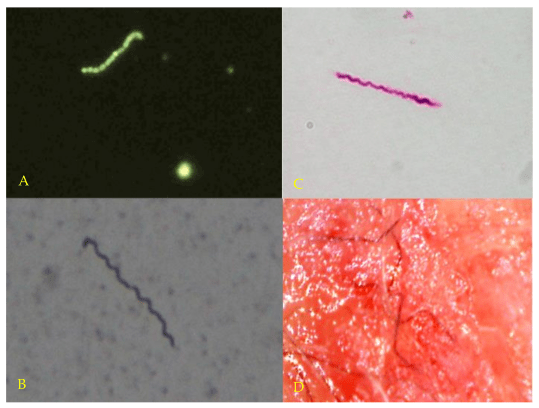
Introduction: Lyme disease is a tickborne illness that generates controversy among medical providers and researchers. One of the key topics of debate is the existence of persistent infection with the Lyme spirochete, Borrelia burgdorferi, in patients who have been treated with recommended doses of antibiotics yet remain symptomatic. Persistent spirochetal infection despite antibiotic therapy has recently been demonstrated in non-human primates. We present evidence of persistent Borrelia infection despite antibiotic therapy in patients with ongoing Lyme disease symptoms. Methods: In this pilot study, culture of body fluids and tissues was performed in a randomly selected group of 12 patients with persistent Lyme disease symptoms who had been treated or who were being treated with antibiotics. Cultures were also performed on a group of ten control subjects without Lyme disease. The cultures were subjected to corroborative microscopic, histopathological and molecular testing for Borrelia organisms in four independent laboratories in a blinded manner. Results: Motile spirochetes identified histopathologically as Borrelia were detected in culture specimens, and these spirochetes were genetically identified as Borrelia burgdorferi by three distinct polymerase chain reaction (PCR)-based approaches. Spirochetes identified as Borrelia burgdorferi were cultured from the blood of seven subjects, from the genital secretions of ten subjects, and from a skin lesion of one subject. Cultures from control subjects without Lyme disease were negative for Borrelia using these methods. Conclusions: Using multiple corroborative detection methods, we showed that patients with persistent Lyme disease symptoms may have ongoing spirochetal infection despite antibiotic treatment, similar to findings in non-human primates. The optimal treatment for persistent Borrelia infection remains to be determined.

healthcare-06-00033-g001

Figure 1  (A) Top left:  Darkfield microscopy of blood culture showing live spirochete and spherules.  Magnification 400x.  (B) Botom left:  Fieterle silver stain culture fluid from Case 10 showing live spirochetes  Magnification 1000x.  (D) Bottom right:  Typical dermal filaments from patient with Morgellons disease.  Magnification 100x

______________

For more:  https://madisonarealymesupportgroup.com/2017/08/25/sleeper-cells-the-stringent-response-and-persistence-in-the-borreliella-burgdorferi-enzootic-cycle/

https://madisonarealymesupportgroup.com/2017/08/18/drexel-prof-lyme-persists/

https://madisonarealymesupportgroup.com/2016/12/21/dr-zhang-on-persisters/

https://madisonarealymesupportgroup.com/2017/05/10/chronic-lyme-disease-a-case-definition-at-last/

https://madisonarealymesupportgroup.com/2018/04/13/chronic-lyme-post-mortem-study-needed-to-end-the-lyme-wars/

 Approx 7 Minutes.  “Good Day New York” on Fox5 – 4/18

Mary Beth Pfeiffer author of Lyme: The First Epidemic of Climate Change and Dr. Frid discuss Lyme disease, symptoms in children, various co-infections we should be all aware and tested for, and best practices for protecting our kids against ticks.

_______________

**Comment**

I’m always thankful for publicity about Lyme/MSIDS, but I have to interject about the premise of Pfeiffer’s new book, which I believe to be false.  According to independent Canadian tick expert John Scott, the issue of global warming or climate change has absolutely NOTHING to do with our current dilemma.  https://madisonarealymesupportgroup.com/2017/08/14/canadian-tick-expert-climate-change-is-not-behind-lyme-disease/

John explains, “This climate change ‘theory’ is all part of a well-planned scheme. Even the ticks are smarter than the people who’ve concocted this thing,” he says.
“Climate change has nothing to do with tick movement. Blacklegged ticks are ecoadaptive, and tolerate wide temperature fluctuations. On hot summer days, these ticks descend into the cool, moist leaf litter and rehydrate. In winter, they descend into the leaf litter, and are comfortable under an insulating blanket of snow. Ticks have antifreeze-like compounds in their bodies, and can tolerate a wide range of temperatures. For instance, at Kenora, Ontario, the air temperature peaks at 36°C and dips to –44°C, and blacklegged ticks survive successfully.
“Ticks are marvellous eco-adaptors. They will be the last species on the planet. Do you see how silly this theory of climate change is as a way to rationalize what’s happening. It’s all a red herring to divert your attention,” he explains.  “The authorities have been using tick expansion and climate change to get research dollars. Climate change is a popular topic right now, and that is a great source of funding for related research. However, any research on ticks and climate change is inconclusive––in essence, there is no validity. The long-range, futuristic projections and statistical models are bogus science because blacklegged ticks have already been found in northern Canada. In fact, we documented blacklegged ticks on migratory songbirds in northern Alberta dating back to 1998. Any allocation of government funding for ticks and climate change research is a complete waste of taxpayers’ money. It will not help Lyme disease patients one iota.”

Scott’s quote above is important for two reasons, 1) he’s independent and doesn’t rely on money making schemes for research 2) this climate change paradigm does absolutely nada to help patients.  

There are so many other topics that need to be addressed!

  1. Is Lyme/MSIDS a STD?
  2. Is it spread congenitally?
  3. Is it spread via breast milk?
  4. Are there other modes of transmission (saliva, urine, etc)?
  5. Acknowledgment of coinfection interaction & then appropriate treatment.
  6. Is Lyme/MSIDS persistent/chronic?
  7. If it’s chronic, appropriate treatment needs to be given.
  8. Why won’t insurance cover this?
  9. Why has Lyme/MSIDS been stymied for over 40 years?
  10. Why do some respond to treatment and others don’t?
  11. What can we do to curb/eliminate ticks that’s safe for our environment?
  12. And on, and on to infinity…….