
Lawfirm Announces $101 Million Measles Vaccine Settlement for Infant that Suffered Brain Injury
Lawfirm Announces $101 Million Measles Vaccine Settlement for Infant that Suffered Brain Injury
by Brian Shilhavy
Editor, Health Impact News
The lawfirm of Maglio Christopher & Toale, P.A. announced earlier this month (July, 2018) that they had negotiated a $101 million dollar settlement for an infant who suffered a severe reaction to the Measles Mumps Rubella (MMR) vaccine.
O.R. was a one-year-old healthy baby girl who was already walking and climbing. On February 13, 2013, she received vaccinations for Measles Mumps Rubella (MMR), Hepatitis A, Haemophilus Influenzae type B (Hib), Prevnar (pneumonia), and Varicella (chickenpox).
That evening, the mother noticed baby O.R. was irritable and feverish.
After a call to the pediatrician, the doctor advised Mom to give her Tylenol and Benadryl. The fever continued for several days and on the evening before the baby’s scheduled pediatrician visit, O.R. began having severe seizures.
She was rushed to the emergency room. Baby O.R. went into cardiac and respiratory arrest and doctors placed her on a ventilator.
The seizures and cardiac arrest left O.R. with a severe brain injury, encephalopathy, cortical vision impairment, truncal hypotonia (low muscle tone), and kidney failure.
After months of treatment at the hospital, baby O.R. finally went home, but her disabilities require specialized medical care and supervision around the clock for the rest of her life.
The $101 million-dollar settlement will pay for the child’s constant high-level medical care for the rest of her life. The family received a lump sum of $1 million dollars to cover the immediate costs of medical bills and expenses. The rest will be paid out through an annuity over the child’s lifetime.
Source:
$101 Million Dollar Vaccine Injury Award for Encephalopathy from MMR Vaccine
Injuries and Deaths Due to Vaccines Are a Real Risk, but Censored from the Public
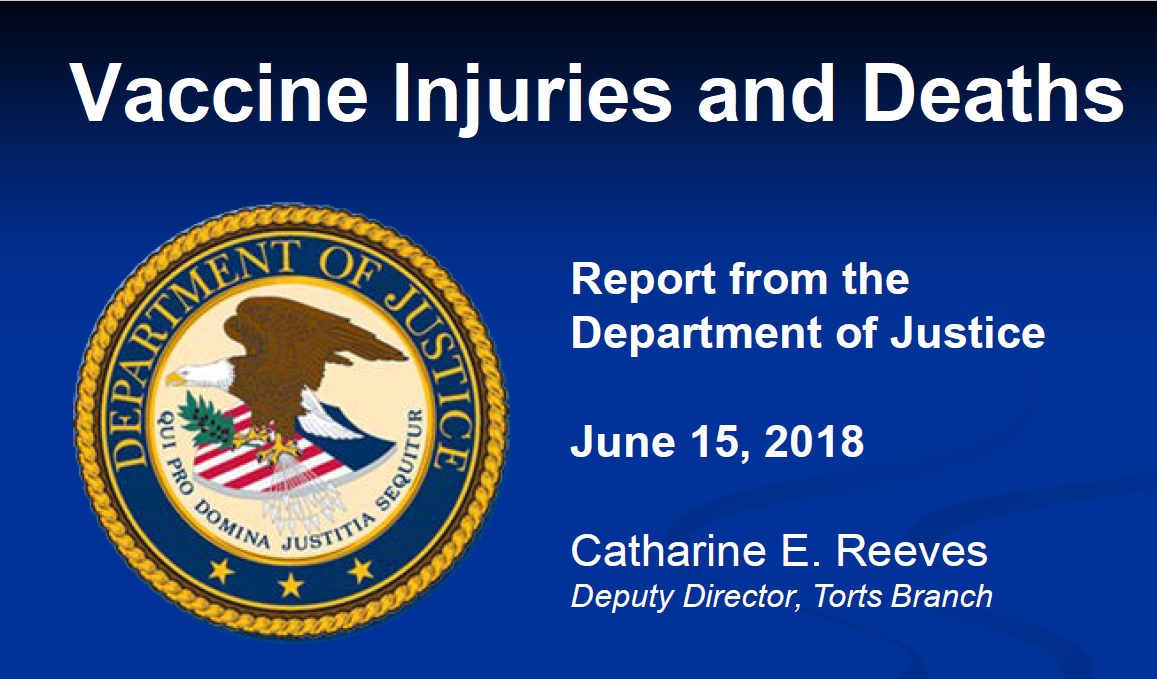
The U.S. Government and Big Pharma, the main purchaser of advertising space in the corporate-sponsored “mainstream” media, consistently tells the public that vaccines are “safe and effective,” and that anyone who dares to say otherwise, including honest medical doctors, are quacks or uneducated.
However, the fact that vaccines kill and injure people, including young babies and infants, is not a fact that is in dispute. The only question that is in dispute is how many lives are being destroyed by vaccines? No one really knows.
The National Vaccine Injury Compensation Program (NVICP) was started as a result of a law passed in 1986 that gave pharmaceutical companies total legal immunity from being sued due to injuries and deaths resulting from vaccines.
There were so many lawsuits filed against Big Pharma for vaccine injuries and deaths, that the pharmaceutical companies basically blackmailed Congress by stating that they would stop manufacturing vaccines unless they had legal protection.
Congress obliged and passed the NVICP bill which then President Ronald Reagan signed into law.
Certain aspects on the Constitutionality of this law have been challenged in court, but so far the law has been upheld, with the Supreme Court ruling that vaccines are “unavoidably unsafe.”
So, even though your doctor may try to assure you that the vaccine they are about to give you or your child is “safe,” be aware that the doctor is either being dishonest to meet a quota of patients that need to be vaccinated for certain financial benefits, or the doctor is woefully ignorant and only knows what was spoon-fed him/her in medical school and sponsored by Big Pharma regarding vaccines.
The truly effective doctors do their own research and seek what is best for their patients. (One doctor in Germany, for example, has investigated measles and claims no measles virus actually exists: German Supreme Court Upholds Biologist’s Claim that Measles Virus Does Not Exist.)
The Deadly Measles Vaccine – More Die from the Vaccine than From Measles
In 2015, the Big Pharma-sponsored “mainstream” media covered a very one-sided story about a measles outbreak at Disneyland in California. The corporate media blamed the outbreak (from which no one died) on unvaccinated children, a claim that was not borne out by the facts (many who contracted measles were fully vaccinated, for example.)
But this event was used as a catalyst to change vaccination laws and policies all across the U.S. in favor of mandatory vaccines. In California, a law was passed to remove the philosophical and religious exemptions to childhood vaccines.
Absent from the corporate media and U.S. Government health officials’ unified message in favor of mandatory vaccines to protect against measles outbreaks were cold, hard facts showing how dangerous the measles vaccine really is.
The measles vaccine is not available as a single vaccine in the U.S. but only as part of the 3-vaccine combo of MMR (mumps, measles, rubella).
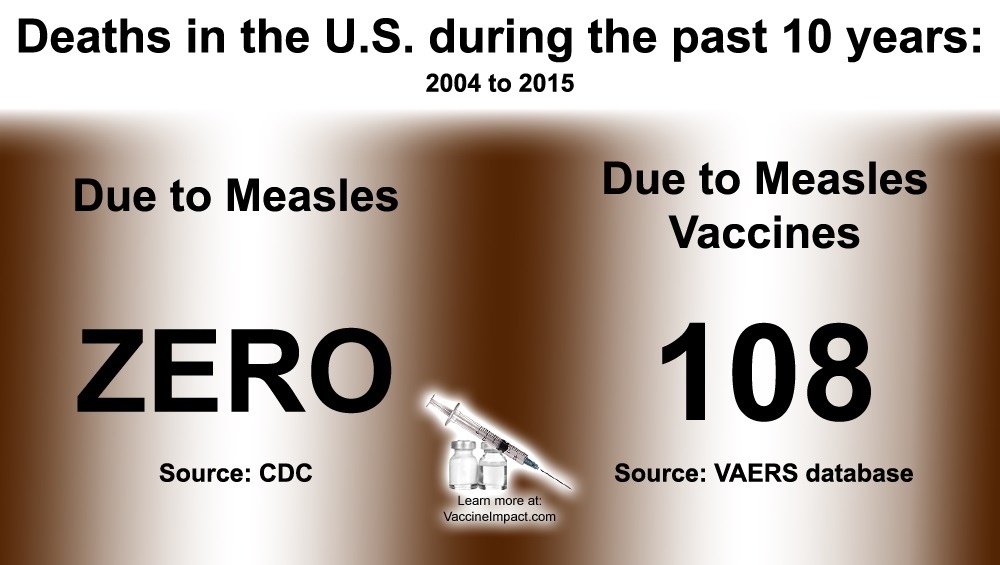
I wrote an article back in 2015 to warn the public and expose the facts that were absent from the corporate-sponsored “mainstream” media, clearly showing that the measles vaccine was far more dangerous than measles itself, known historically as a non-fatal common childhood infection.
The article went viral and was read by millions of people, and many in the corporate media tried to vilify Health Impact News. See:
ZERO U.S. Measles Deaths in 10 Years, but Over 100 Measles Vaccine Deaths Reported
MMR Vaccine Manufacturer Merck: Surrounded by Corruption
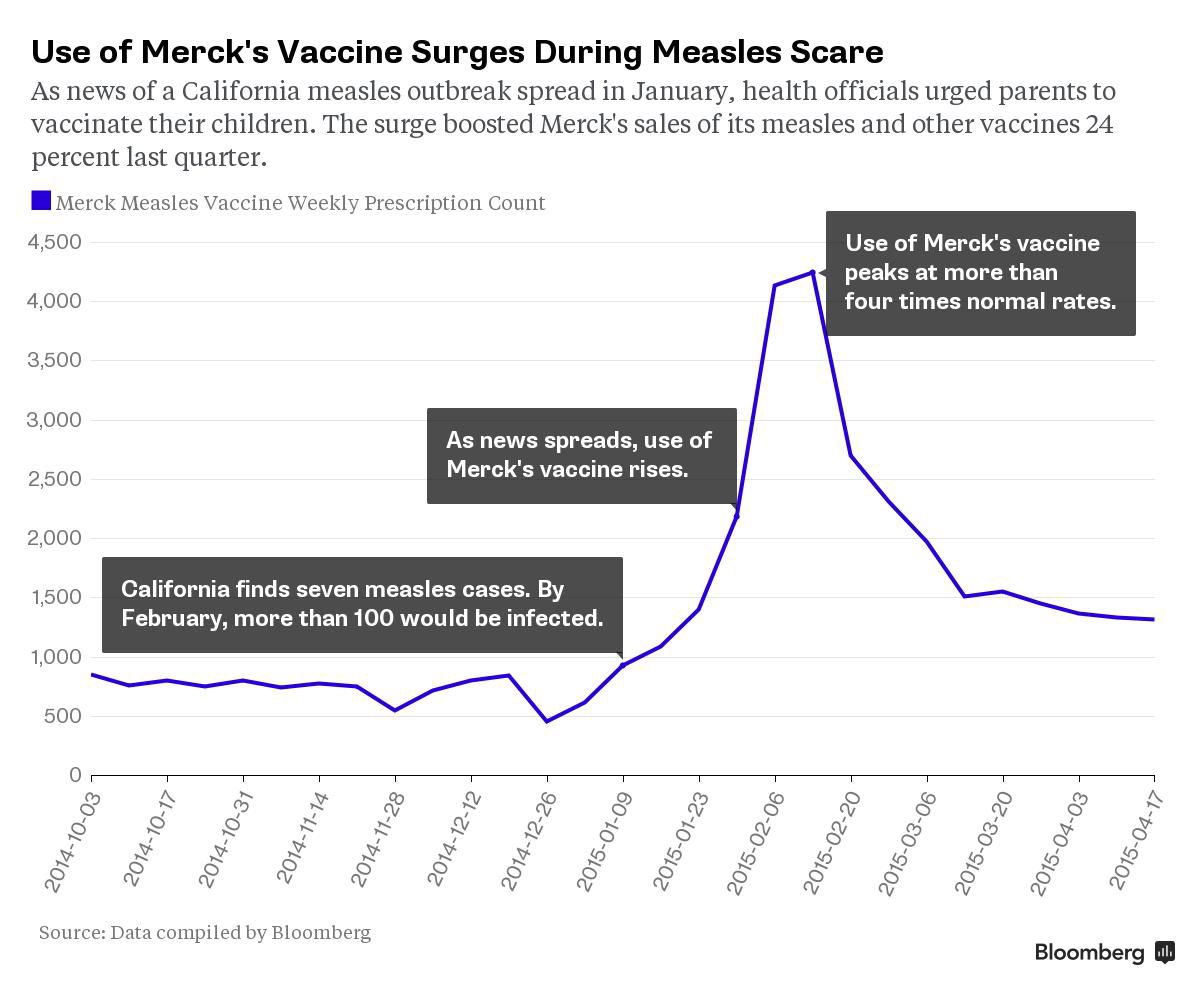
After the 2015 corporate media-manufactured Disneyland measles scare, sales in Merck’s MMR vaccine soared.
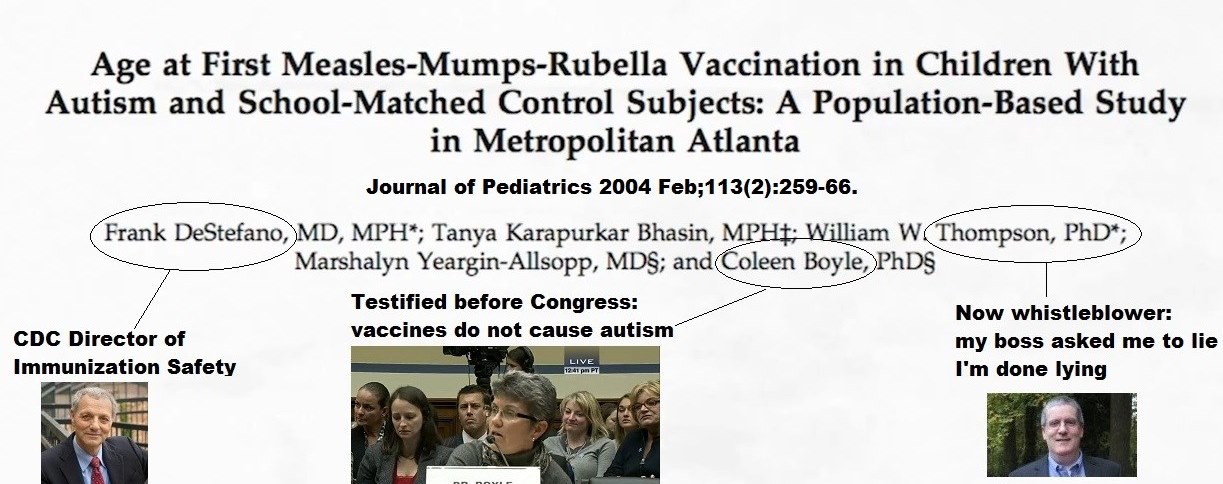
The corporate-sponsored “mainstream” media completely ignored all the corruption surrounding Merck and the U.S. CDC in regards to the MMR vaccine.
One the biggest stories of the century, which the mainstream media did not cover the year before in 2014, was the story of Dr. William Thompson, a senior epidemiologist at the CDC who co-authored and published research on the MMR vaccine for the CDC back in 2004, and his decision to become a whistleblower and reveal data that was concealed by the CDC linking the MMR vaccine to autism among African American boys.
His telephone conversations with Dr. Brian Hooker were recorded and released to the public:
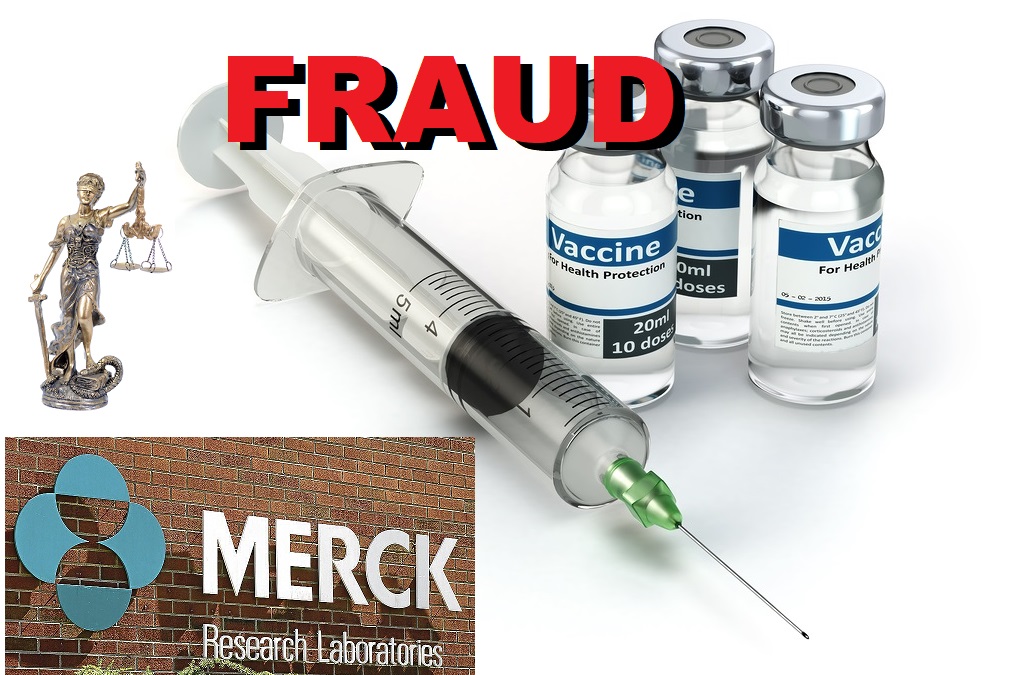
In a lawsuit against Merck that was originally filed in 2010, and continues to this day, Stephen Krahling and Joan Wlochowski, former Merck virologists, claim that they
“witnessed firsthand the improper testing and data falsification in which Merck engaged to artificially inflate the (MMR) vaccine’s efficacy findings.”
The former Merck scientists claim that Merck’s faulty MMR vaccine has caused the United States to pay “hundreds of millions of dollars for a vaccine that does not provide adequate immunization.”
“As the largest single purchaser of childhood vaccines (accounting for more than 50 percent of all vaccine purchases), the United States is by far the largest financial victim of Merck’s fraud,” according to the 2010 False Claims Act complaint.
“But the ultimate victims here are the millions of children who every year are being injected with a mumps vaccine that is not providing them with an adequate level of protection.
And while this is a disease that, according to the Centers for Disease Control (‘CDC’), was supposed to be eradicated by now, the failure in Merck’s vaccine has allowed this disease to linger, with significant outbreaks continuing to occur.” (Source.)
Merck has tried, unsuccessfully, to end this case for almost eight years now, in an attempt to hide it from the American public.
In 2012, they tried to get the case dismissed. The story did garner some mainstream news coverage back in 2012. Here is a report Forbes wrote on it back in 2012. Some quotes:
Anyone who falls on either side of the debate about vaccines’ alleged potential to cause harm is sure to have heard the big news this week — the unsealing of a whistleblower suit against Merck, filed back in 2010 by two former employees accusing the drugmaker of overstating the effectiveness of its mumps, measles, and rubella vaccine.
The scientists claim Merck defrauded the U.S. government by causing it to purchase an estimated four million doses of mislabeled and misbranded MMR vaccine per year for at least a decade, and helped ignite two recent mumps outbreaks that the allegedly ineffective vaccine was intended to prevent in the first place.
The Wall Street Journal also covered the story back in 2012, but according to a report by Dr. Mercola, the Wall Street Journal’s “elite” network of CFOs from the world’s top corporations met three days later (including executives from Merck), and the story was removed from their website.
On September 4, 2014, Judge Jones ruled that the case should proceed based on merit. (Source.)
Still trying to keep this case out of the eye of the public, Merck attorneys did not give up in their attempts to keep this out of the courts and the eye of the public. They filed a motion for “Summary Judgment,” but on October 27, 2017, the court granted the whistle-blowers their “Motion to Stay,” so that the case would proceed.
There are, as of the date of publication of this article, 165 entries into the court docket for this case during an eight year period, as the attorneys for Merck do their best to stall and try to end it. (Source.)
The significance of this case, of course, is enormous, beyond measure, as it does NOT primarily deal with the issue of vaccine safety, something the U.S. Government concedes with the federal vaccine court, which has paid out billions of dollars in compensation (see quarterly reports from the DOJ here), but with the efficacy of the MMR vaccine.
If the vaccine does not even work as advertised, then why is part of the CDC-recommended childhood vaccination schedule?
Merck’s MMR vaccine is not the only vaccine surrounded by controversy and charges of corruption.
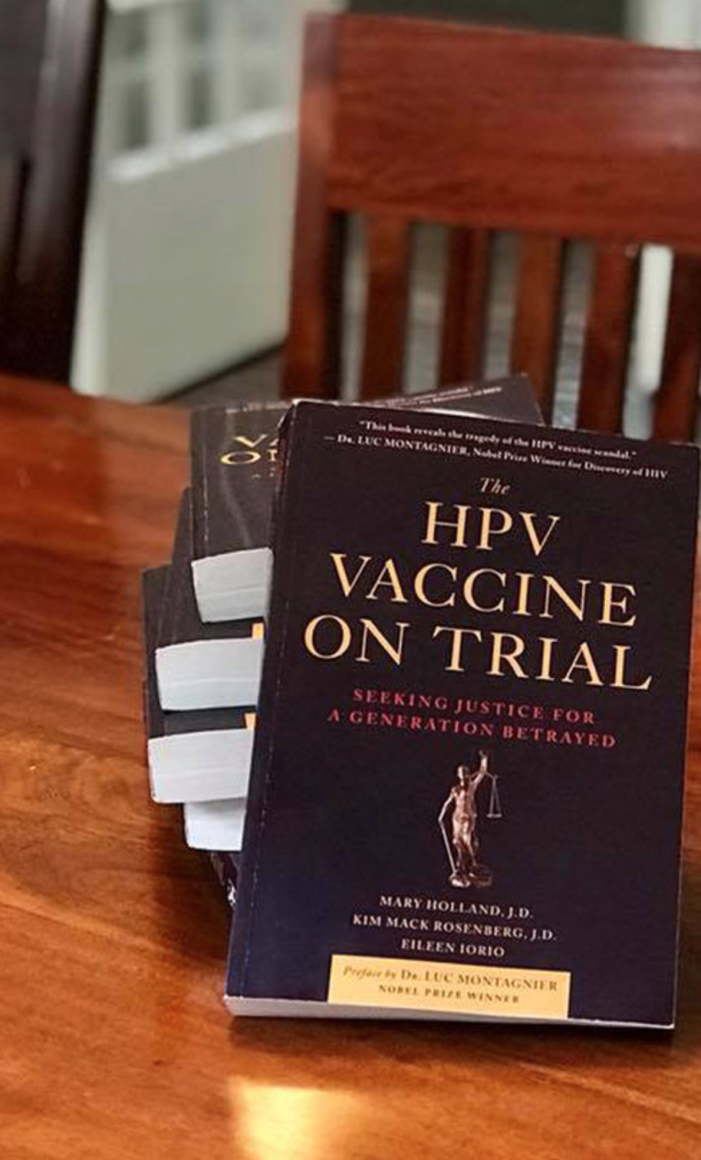
Merck also manufactures the HPV vaccine Gardasil, which is facing lawsuits world-wide, outside the U.S., in countries where it is still legal to sue pharmaceutical companies for vaccine injuries and deaths.
Negative press regarding the Gardasil HPV vaccine and Merck’s legal problems can be found in France, Spain, Japan, Ireland, Denmark, the UK, India, and many others.
In France, Dr. Dalbergue, a former pharmaceutical industry physician with Gardasil manufacturer, Merck, has stated :
I predict that Gardasil will become the greatest medical scandal of all times because at some point in time, the evidence will add up to prove that this vaccine, technical and scientific feat that it may be, has absolutely no effect on cervical cancer and that all the very many adverse effects which destroy lives and even kill, serve no other purpose than to generate profit for the manufacturers. (Source.)
When discussing Merck vaccine fraud, it must also be mentioned that the U.S. government has a huge conflict of interest, as it profits from the sale of vaccines, and Gardasil in particular.
The U.S. Centers for Disease Control (CDC) is tasked with vaccine safety, and yet it is also the largest purchaser of vaccines, spending over $4 billion annually to purchase vaccines.
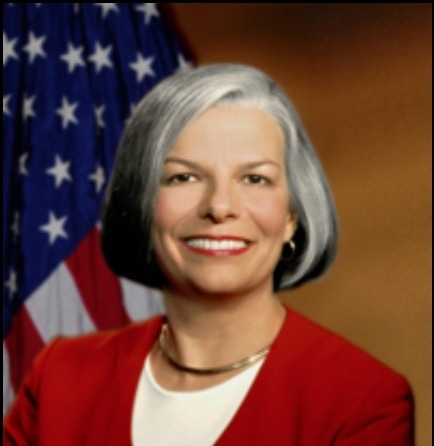
Julie Gerberding was in charge of the CDC from 2002 to 2009, which includes the years the FDA approved the Merck Gardasil vaccine.
Soon after she took over the CDC, she reportedly completely overhauled the agency’s organizational structure, and many of the CDC’s senior scientists and leaders either left or announced plans to leave. Some have claimed that almost all of the replacements Julie Gerberding appointed had ties to the vaccine industry.
Gerberding resigned from the CDC on January 20, 2009, and took over as the president of Merck’s Vaccine division, a 5 billion dollar-a-year operation, and the supplier of the largest number of vaccines the CDC recommends (article here).
It was reported in 2015 that Dr. Gerberding, now the executive vice president of pharmaceutical giant, Merck, sold 38,368 of her shares in Merck stock for $2,340,064.32. She still holds 31,985 shares of the company’s stock, valued at about $2 million.
Besides examples like this, showing a clear conflict of interest between government agencies tasked with overseeing public health and vaccine safety and pharmaceutical companies, the National Institute of Health also holds patents on vaccines, such as Gardasil, and earns royalties from the sale of vaccines.
Dr. Eric Suba tried to use the Freedom of Information Act to find out how much money the National Institute of Health (NIH) earned from the sale of Gardasil, but they refused to report the amount of revenue the government earns from this vaccine (although not denying they do earn royalties).
Conclusion: Don’t Trust Your Doctor or Big Pharma Controlled Media for Vaccine Safety Information

Vaccines are NOT safe, and it is not even certain that they are “effective.” Just how many people are injured and killed by vaccines is not known.
The federal government Advisory Commission on Childhood Vaccines (ACCV) under the U.S. Department of Health and Human Services meets every quarter, and the Department of Justice (DOJ) supplies a report each quarter on cases settled for vaccine injuries and deaths as mandated by the National Vaccine Injury Compensation Program (NVICP).
As far as I know, Health Impact News is the only news organization publishing these quarterly reports, and you can access them here.
In November of 2014, the Government Accounting Office (GAO) issued the first report on America’s “Vaccine Court,” known as the National Vaccine Injury Compensation Program (NVICP), in almost 15 years.
The November 2014 GAO report criticized the government for not making the public more aware that the National Vaccine Injury Compensation Program exists, and that there are funds available for vaccine injuries. Therefore, the settlements represented by vaccine injuries and deaths included in the DOJ report probably represent a small fraction of the actual vaccine injuries and deaths occurring in America today.
The U.S. government keeps a database of reports documenting vaccine injuries and deaths called The Vaccine Adverse Event Reporting System (VAERS).
The problem is that very few medical officials ever report vaccine injuries or deaths, either because they are not trained to recognize them, or due to pressure within their profession to not report them. To admit that vaccines do cause harm is professional suicide for most doctors and medical professionals.
Hence, the quarterly DOJ report on vaccine cases only represents a tiny fraction of the actual cases that exist.
So please, do your own research on vaccine risks and benefits BEFORE you decide to vaccinate, or you too may soon find yourself or your children as numbered among the vaccine-damaged or vaccine-killed population.
________________
https://madisonarealymesupportgroup.com/2018/04/06/cdcs-troubling-lack-of-research-ethics/
https://madisonarealymesupportgroup.com/2016/11/29/spider-attacks-cdc/
https://madisonarealymesupportgroup.com/2017/03/30/ty-bollinger-the-truth-about-vaccines-series/ (Within this link are 9 links you can click for specific vaccines. I give a short blurb on each but click into the links for more)






Internal Site Commenting is limited to members.
Disqus commenting is available to everyone.
“©[Oct. 3, 2018] GreenMedInfo LLC. This work is reproduced and distributed with the permission of GreenMedInfo LLC. Want to learn more from GreenMedInfo? Sign up for the newsletter here http://www.greenmedinfo.com/greenmed/newsletter.”