Archive for the ‘Treatment’ Category

Lyme Disease Patient Got Worse on Antibiotics – Until We Adjusted the Dose

https://danielcameronmd.com/lyme-disease-antibiotics/

My Lyme Disease Patient Got Worse on Antibiotics—Until We Adjusted the Dose

He was ready to quit treatment.

The antibiotics were making him feel worse, not better—nausea, fatigue, and a sense that his body was shutting down. He told me, “Doc, I don’t think I can keep doing this.”

I knew we needed a new approach—but not necessarily a new medication. Instead, I asked:
What if we adjusted the dose?


⚖️ When Less Is More

Instead of the standard full dose, we lowered it—just enough to reduce the burden on his system, while still targeting the infection. It was a small tweak, but the impact was big:

  1. His side effects eased within days
  2. His energy improved
  3. And most importantly, his Lyme symptoms began to resolve

🧩 Why Individualized Treatment Matters

This case reminded me that Lyme disease treatment isn’t about pushing patients to the edge—it’s about meeting them where they are. If a full dose overwhelms the system, patients can’t heal. But the right adjustment? That can unlock progress.

Every patient’s journey is different. Sometimes, it’s not about starting over—it’s about finding the dose that works.


💡 A Gentle Nudge, Not a Full Detour

This patient didn’t need a new medication or a brand-new protocol. He just needed someone to see the bigger picture and make a targeted change. That one adjustment helped him stay the course—and ultimately, heal.

___________________

**Comment**

I wonder how many would have stayed the course if they would have known this information?

Dosage matters, in fact, according to Dr. Burrascano, blood levels of various drugs were undetectable in some patients, despite using the same exact CDC guideline of 200 mg of doxycycline.

For more:

BTW: I felt miserable on antibiotics while my husband felt better.  Every person has their own response.  Treating this with an individual approach is imperative as no two respond identically.  This is why mainstream medicine is woefully unprepared and inexperienced in treating this.

How to Create & Use Chlorine Dioxide (MMS1) & Nebulizer Protocol

https://unbekoming.substack.com/p/how-to-create-and-use-chlorine-dioxide?

How to create and use Chlorine Dioxide (MMS1)

By Curious Outlier

A beautiful oil painting in an impressionist and abstract style, featuring thick brush strokes. The painting showcases a vibrant landscape with swirling colors of a golden sunset reflecting on a rippling lake, surrounded by deep green trees. The bold, expressive strokes create movement and depth, giving the piece a dynamic and textured appearance.

As many of you know, this Substack supports chlorine dioxide information and discussion. You’ll find plenty of my previous work on the subject in the related posts.

Curious Outlier (CO) is one of the most important voices in this space and someone I’ve had the pleasure of interviewing. If you’re not already following CO’s Substack, you should be.

For those new to chlorine dioxide, the different names, acronyms, and protocols can be confusing—I know they were for me at first. One of the most common points of confusion is Chlorine Dioxide Solution (CDS), which isn’t exactly the same as CD and follows different protocols.

CO has written three excellent articles that break down, in simple terms, how to make CD at home. This post is a concise summary of those articles.

With thanks to Curious Outlier.

Related Posts

These are the three articles that best summarize how to use CD (not CDS).


Summary of Articles

The articles describe three main protocols for using chlorine dioxide:

  1. Starting Procedure
  2. Protocol 1000
  3. Protocol 1000-F

These protocols involve mixing sodium chlorite solution (MMS) with an acid activator to create chlorine dioxide (MMS1), which is then diluted in water and consumed. The articles emphasize starting with low doses and gradually increasing, following specific rules and principles.

Detailed Outline of Protocols

Preparation of Chlorine Dioxide (MMS1)

  1. Mix equal drops of sodium chlorite solution (Part A) and acid activator (Part B) in a small glass
    • When describing the number of drops, “one drop” of MMS1 means one drop of EACH of sodium chlorite solution (Part A) and acid activator (Part B)
    • Activated ClO2 = MMS1
  2. Wait 30 seconds for activation
  3. Add water (at least 150 mL) and drink

Starting Procedure

Purpose: Introduce the body to chlorine dioxide and minimize potential detox reactions

  1. Day 1: 1/4 drop dose every hour for 8 hours
  2. Day 2-3: 1/2 drop dose every hour for 8 hours
  3. Day 4: 3/4 drop dose every hour for 8 hours
  4. Day 5: Begin Protocol 1000

In the context of consuming 1L of water per day, the Starting Procedure for chlorine dioxide (ClO2) administration would be interpreted as follows:

Starting Procedure Breakdown

Day 1

  • Total daily dose: 2 drops of activated ClO2 (1/4 drop × 8 hours)
  • Preparation: Add 2 drops of activated ClO2 (MMS1) to 1L of water
  • Consumption: Drink 125mL (1/8 of the bottle) every hour for 8 hours

Days 2-3

  • Total daily dose: 4 drops of activated ClO2 (1/2 drop × 8 hours)
  • Preparation: Add 4 drops of activated ClO2 to 1L of water
  • Consumption: Drink 125mL (1/8 of the bottle) every hour for 8 hours

Day 4

  • Total daily dose: 6 drops of activated ClO2 (3/4 drop × 8 hours)
  • Preparation: Add 6 drops of activated ClO2 to 1L of water
  • Consumption: Drink 125mL (1/8 of the bottle) every hour for 8 hours

Day 5

  • Begin Protocol 1000, which involves 8 drops of activated ClO2 in 1L of water

Key Points

  1. The total volume of water consumed remains constant at 1L per day throughout the Starting Procedure.
  2. The concentration of ClO2 in the water increases gradually over the 4-day period.
  3. The hourly consumption volume remains consistent at 125mL (1/8 of the total volume) for each hour of the 8-hour period.

Protocol 1000

Purpose: General protocol for most illness situations

  1. Prepare an all-day bottle with 8 drops of MMS1 in 1 liter of water
  2. Take 120 ml (4 oz.) once every hour for 8 hours per day
  3. Can be followed for 1 day up to 3 weeks

Protocol 1000-F

Purpose: For rapid-onset illness situations

  1. First 2 hours: Take 1 drop every 15 minutes
  2. After 2 hours: Switch to Protocol 1000

Based on the calculation provided, the Protocol 1000-F for the first two hours would require you to consume 1000 mL (1 liter) of water containing the chlorine dioxide solution. Here’s a breakdown of what this means:

  1. Frequency: You would take 1 drop of the activated chlorine dioxide solution every 15 minutes.
  2. Duration: This process continues for 2 hours.
  3. Total drops: Over the 2-hour period, you would consume a total of 8 drops (1 drop every 15 minutes for 120 minutes).
  4. Water consumption: The entire liter of prepared solution should be consumed within these 2 hours.

To follow this protocol:

  1. Prepare 1 liter of water with 8 drops of activated chlorine dioxide.
  2. Divide this liter into 8 equal portions of 125 mL each.
  3. Drink one 125 mL portion every 15 minutes for 2 hours.

Key Principles and Rules

  1. Low and Slow Principle: Start with low doses and increase slowly
  2. Three Golden Rules:
    • No Change Rule: If symptoms improve, continue current regimen
    • Reduce Rule: If feeling worse, reduce intake by 50% but continue
    • Increase Rule: If no improvement, increase dosage or move to next protocol level

Precautions

  1. Use glass or plastic containers, not metal
  2. Make a new bottle daily to prevent ClO2 evaporation
  3. Monitor for Herxheimer reactions (detox symptoms)
  4. Adjust dosage according to individual response

Where to buy Chlorine Dioxide Water Purification Kits

Since chlorine dioxide can be sold legally as a water purifier you can readily find water purification kits on Amazon and at many online retailers. You only need to make sure that the water purification kit that you purchase comes with two bottles. One solution bottle that is 25-28% sodium chlorite and one solution bottle that is 4%-5% HCL or 50% citric acid.

On Amazon the search phrase, “chlorine dioxide water purification kit” should get a good list of kits.

Here are some examples of what the kits will look like.  (See top link)

In the Ultimate Guide to Chlorine Dioxide, Curious Outlier has compiled a list of reputable online suppliers with direct links to their websites. You can go directly to that page in the free downloadable PDF Guide by using this link: MMS Kit Online Suppliers. Feel free to download the guide that is mobile friendly.

Notes:

  • Jim Humble, the inventor of the DIY method for making Chlorine Dioxide, named the sodium chlorite solution MMS (Miracle Mineral Solution). When equal drops of MMS and acid activator are combined, this is called MMS1.
  • Use a glass or plastic bottle. No metal. 1 liter is ideal. Make a new bottle daily. Evaporation of ClO2 will occur.
  • Tip: If you use a recycled plastic one-liter soda bottle for your all-day MMS1 hourly dosing, use a permanent marker to make lines dividing the bottle into 8 equal parts. That will give you approximately 120 mL (4 fl oz.) for hourly doses when dosing for eight consecutive hours.
  • The number of drops is determined by counting only MMS (sodium chlorite) drops, not both MMS and activator drops. Example: If you are making a daily bottle with 2 drops. You would use 2 drops of MMS (sodium chlorite) and 2 drops of acid activator.

________________

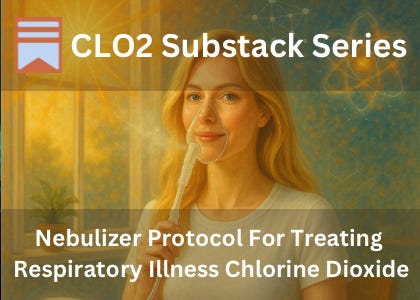
https://curioushumanproductions.substack.com/p/nebulizer-protocol-for-chlorine-dioxide?

Nebulizer Protocol for Chlorine Dioxide

Treat Respiratory Illness With Chlorine Dioxide Nebulization

Note: This is for educational purposes. This is not medical advice, and I am not telling you what you should do. Every person is or should be in control of their own health in spite of what the current medical establishment would like you to believe.

Seminar: Toxicity Risks of Methylene Blue You Can’t Afford to Ignore

I apologize for the tardiness of this notice.  You may view the seminar after the fact on the website: https://www.truthforhealth.org/category/news/media-and-podcasts/faith-over-fear/

I’ve posted on the positive attributes of methylene blue, but recently more naturalistic health professionals have spoken out on the other side of it – a side that is crucial to know in order to make a balanced decision of whether to use it or not.  Read about it for yourself and make your own decision.  Also, read the comments after the article as one in particular by Dr. Don Hall points out that there’s years of research on positive results with MB and that neurotoxins are commonly used for chronic migraines, back pain, neuropathy, arthritis, and excessive sweating.  Again – gather intel and make your own choice, knowing there’s disagreement in the medical community, which is nothing new in Lymeland.

**Personal example**

After being under the same LLMD (Lyme literate doctor) for years of treatment for Lyme, Bartonella, and Babesia my husband and I were still unwell.  I made an appointment for a phone consult with one of the most experienced LLMDs in Wisconsin to run our treatment by him to see if he felt we had any glaring holes we needed to cover.  After listening, he said, “Have you ever used Cipro?” 

I knew Ciprofloxacin is a second generation fluoroquinolone used to treat different types of bacterial infections. I also discovered that it is made with fluoride to deeply penetrate muscles, which is primarily why it is used for Bartonella, but it’s also used to treat bone, joint, and skin infections as well as sinusitis – all of which Lyme/MSIDS patients can have.  There are now four generations of quinolone drugs, the newest being trovafloxacin (since 1999  has been reserved for life or limb threatening infections due to associated acute liver failure) and each generation has different pharmacokinetic properties and are useful for different conditions. Because tissue and fluid concentrations often exceed the serum drug concentration, these antibiotics are particularly useful for certain infections,

I was hesitant due to reports of swelling or tearing of a tendon, especially in the Achilles’ tendon of the heel which can happen during treatment or several months after treatment, but may be more likely in children, older adults (us), people who use steroids (us), or have had an organ transplant, and although uncommon, there are reports of being ‘floxed‘ from fluoroquinolone toxicity.  

Wow.  What to do?

This experienced LLMD told me his theory: he believes Bartonella is what causes the tendon problems and that cipro is working within the tendons and muscles to finally reach a pathogen that is difficult to get to as it sequesters in these tissues.  He said in all his years treating patients and using cipro, he’d never had a person have a tendon issue, other than pain that Bartonella notoriously causes.

I read all about what to avoid while taking cipro, how to take it, and made a pact with my regular doctor to only take it for a short period of time (I believe we also pulsed it, but honestly can’t remember).  My regular doctor was as concerned as I about the side-effects and never used the drug for that very reason but at my request agreed to prescribe it.

It was one of the most effective drugs we ever used.  I’m thankful to report no negative side effects were observed and we got yet further down the road to healing.

Since that time, we’ve discovered that the clarithromycin/rifampin combo is what we successfully use for Bartonella relapses, so we’ve never had to take cipro again, but I am glad we gave it a shot.

My same doctor allowed me to try disulfiram for Lyme early on before much intel was gathered on it and I did have a bad reaction to disulfiram you may want to learn about:   https://madisonarealymesupportgroup.com/2019/10/15/disulfiram-psychosis-update/  Since you don’t know you are in psychosis, I highly advise single patients to have someone checking on them daily!  You don’t know you are going mad as a hatter. 

I’ve never blamed doctors for a bad reaction.  We worked together and experimented with many things as this is a ‘do it yourself’ disease which requires an open mind.  In fact, I’d go as far to say that it’s these very experiments in the unknown that have benefitted us in the long-run.  

https://gingerbreggin.substack.com/p/join-peter-breggin-md-may-27th-for?

Join Peter Breggin MD–May 27th for “The Toxicity of Methylene Blue Seminar – Risks You Cannot Afford to Ignore!”

A “Faith over Fear Seminar” from Truth for Health Foundation, Dr. Elizabeth Lee Vliet, CEO and President of the Board


Dr. Breggin will be the guest speaker at the upcoming Truth for Health Foundation’s weekly “Faith over Fear Tuesday” seminar. See the following announcement from the Truth for Health Foundation on how to join the meeting this Tuesday evening to hear Dr. Peter Breggin, MD and Dr. Elizabeth Lee Vliet, MD on this critical health topic!

Note: you must pre-register. Details below:

Faith Over Fear SEMINAR:
JOIN US! EVERY TUESDAY 8 PM ET

Faith Over Fear Seminars in May:

  • May 27 THE Toxicity of Methylene Blue – Risks You Cannot Afford to Ignore! Guest speaker: Dr. Peter Breggin, MD and Dr. Vliet So many people –both healthcare practitioners and those with no medical background whatsoever—have been lately promoting methylene blue as a remedy for practically every health problem under the sun, that I felt we had a duty to warn about serious toxicity risks to help people have balanced, truthful information with which to make informed decisions.

    We are honored to have Dr. Peter Breggin, a nationally known forensic psychiatrist who has spent his more than 50 year-career researching, teaching and testifying in more than 100 court cases about the toxicity of psychiatric medicines. Dr. Breggin and I did a seminar on this subject last year, and then just recently he published an in-depth Substack column with an extensive review of methylene blue and its potentially life-threatening toxicity. This common OTC manmade chemical is extensively promoted in the last few months.

    Dr. Vliet’s message: I have been concerned that few people selling and promoting the use of methylene blue ever address the brain toxicity and serious drug interactions with other prescription medicines or with common foods. In fact, many selling methylene blue claim it is “neuroprotective” and “enhances” cognitive function, even though the truth is far from that. You really need to attend live and listen to Dr. Breggin describe the history, neuropharmacology, risks and long term damage that can occur with methylene blue. Those who attend the live event will have an opportunity to ask questions with our speakers.

Faith over Fear Seminar Instructions

You must register in advance for our seminars by clicking on the zoom link below.
Register here and SAVE THE NEW LINK FOR 2025 through June 30 : It is the same each week Jan-June. 8:00 PM Eastern Time (US and Canada)  7:00p.m Central Time (Wisconsin)
https://us02web.zoom.us/meeting/register/asMzHIEFTFKv38hKMta5UA

After registering, you will receive a confirmation email containing information about joining the meeting.

If you miss the LIVE program, you always access the archive on our website here:  https://www.truthforhealth.org/category/news/media-and-podcasts/faith-over-fear/

For more:

  • https://gingerbreggin.substack.com/p/emergency-notification-methylene  methylene blue is a Monoamine Oxidase Inhibitor (MAOI). As such, it is one of the most toxic agents ever used in medicine and psychiatry, and the mother of the most dangerous drugs used in psychiatry.

    Methylene blue is not a miraculous new discovery. It’s the opposite. Created in 1876 in a lab, it is the oldest manmade chemical to be used in medicine. But for well over a century, methylene blue has never been FDA-approved for psychiatric purposes. Later, its chemical structure was modified in labs to create many of the earliest, most neurotoxic psychiatric drugs.  (See link for the in-depth article by psychiatrist Peter Breggin who has decades of experience and who has written many scientific papers and books showing how human beings who take psychiatric drugs sometimes are initially stimulated when the drug over-activates the monoamine neurotransmitters, including epinephrine, norepinephrine, serotonin, and dopamine; but eventually, similar to the animals, the human drug recipients typically become more subdued, apathetic, or disengaged from their own feelings, those around them, and with life itself.  Breggin does not prescribe psychiatric drugs as a treatment as he feels they do more harm than good.  Instead he offers therapy, and education on more effective and healthier principles of living. He is the author of the only medical textbook on the subject, called “Psychiatric Drug Withdrawal: A Guide for Prescribers, Therapists, Patients and Their Families.”)

  •  

The Effects of Light on the Human Body

http://  Approx. 30 Min

March, 2026

Explore what a single photon of sunlight does to your body the moment it touches your skin — and why the physics your grandmother never knew explains everything she told you.

This video explores vitamin D photosynthesis, circadian entrainment, and nitric oxide release. Learn how one broken chemical bond controls over 200 of your genes, and find out why indoor living is quietly weakening your bones, disrupting your sleep, and raising your blood pressure.

Whether you are curious about what is really happening inside your body, fascinated by physics, or looking for explanations that actually make sense, this will change how you understand the sun, your health, and the biology you were built with. Watch now to discover what nobody tells you about sunlight.

CHAPTERS

  • 0:00 – Introduction
  • 0:42 – One Photon, One Bond
  • 2:21 The Vitamin D Factory
  • 5:23 – The Latitude Problem
  • 8:52 – Your Circadian Clock
  • 14:49 – Serotonin, Mood, and Sleep
  • 18:49 – Sunlight and Blood Pressure
  • 22:35 – The Real Risk: UV and DNA
  • 25:01 – Bones, Falls, and Immunity
  • 28:52 – Conclusion

https://gregreese.substack.com/p/the-effects-of-light-on-the-human?

The Effects of Light on the Human Body

Screen time leads to blindness and mind control
 
Article Excerpts:

The blue light emitted by LED is a frequency band of 400 to 500 nanometers. Exposure to this has been shown to suppress melatonin production, a hormone critical for sleep. Blue light exposure will shift brain activity away from relaxed theta-dominant states, and towards heightened alert beta states. And so exposure in the evening will further complicate sleep patterns, which will negatively effect health in many ways.

The red light emitted is a frequency band of 620 to 700 nanometers. And it has been shown to promote bone and tissue repair and regeneration. It reduces inflammation and body fat, and it alleviates chronic and acute pain. The main reason that red light improves overall health, is because it enhances mitochondrial function throughout the entire body system. This leads to increased ATP production, reduced oxidative stress, and modulated cytokine activity.  (See link for article and video)

________________

https://sayerji.substack.com/p/the-ultimate-human-superpower-you

The Ultimate Human Superpower You Never Knew You Had: Melanin — The Hidden Solar Panel in Human Biology

Beyond Skin Deep: Melanin as a Biophotonic Engine
 
Article Excerpts:

For two centuries, this idea stuck: melanin as nature’s UV filter, nothing more.

Yet even as textbooks dutifully repeated melanin’s sunscreen status, scientists kept stumbling on puzzles that didn’t fit the simple story. For one, melanin pops up in places where sunlight scarcely shines. Consider the human brain: certain neurons in the deep brain (the substantia nigra and locus coeruleus) are loaded with neuromelanin, giving these regions a dark hue. Why would brain cells – tucked inside the skull – bother to produce a UV-blocking pigment? The inner ear is another enigma: the cochlea has melanocytes (pigment cells), and their dysfunction can cause hearing loss. Again, no sunshine reaches there. Even stranger, melanin is found in the heart valves of some animals and the lungs of certain seabirds. These “internal melanized sites” not obviously subject to light have puzzled researchers for years. Could melanin be doing something else there?

Laboratory observations added to the mystery. In one experiment, skin cells rich in melanin were found to contain far fewer mitochondria – the tiny organelles that generate ATP energy – than their non-pigmented counterparts, yet they grew and developed just as well. In these heavily melanotic cells, mitochondrial number dropped a whopping 83%, and respiration (the usual oxygen-burning energy process) was 30% lower, without impairing cell growth. It was as if the melanin was somehow compensating for the lost mitochondria.

Clinicians also noted paradoxes: melanin in the skin reduces UV DNA damage (protective), but an abundance of melanin can correlate with melanoma (cancer) risk; neuromelanin in the brain might be protective in some ways but is lost in Parkinson’s disease, possibly contributing to degeneration. Melanin, the pigment, was behaving less like a static shield and more like a dynamic player – one with a dual nature that scientists didn’t yet fully grasp.

Such anomalies prompted a few intrepid thinkers to ask uncomfortable questions. Was it possible that melanin had a metabolic function – that it could, under the right conditions, act as an energy source or catalyst for life’s processes?

One of the early proponents [of melanin being an unrecognized bioenergetic molecule] was Geoffrey Goodman, who published a speculative paper in 2008 titled “Melanin directly converts light for vertebrate metabolic use”.

Dr. Arturo Solís Herrera, a Mexican ophthalmologist and biochemist, stumbled onto melanin’s secret while studying diseases of the eye. In the 1990s, Solís-Herrera was investigating the causes of blindness like glaucoma and diabetic retinopathy…..anatomists knew the back of the eye is pigmented. But what struck Solís-Herrera was a question: Why would nature put a dense ring of melanin 2.5 centimeters deep inside the head, effectively behind the light-sensitive retina? It’s like finding solar panels buried in a cave – seemingly out of place.  (See link for article)

SUMMARY:

After a 12 year research journey Herrera’s team:

  • found melanin granules can dissociate water molecules, using light energy to split H₂O into hydrogen and oxygen – essentially the first step of photosynthesis.
  • demonstrated melanin’s water-splitting in vitro and measured the currents and reaction products and laid out their findings that melanin represents over 90% of cell energy requirements – and that a vast majority of our ATP energy might come from light and water via melanin while glucose is used to build biomass.

Over time more concrete evidence trickled in:

  • fungi that ‘eat’ radiation: melanin enabled fungus to harness radiation for metabolic energy – behaving like a broad-spectrum solar panel.
  • melanin rich mouse skin cells could function with 83% fewer mitochondria and 30% lower respiration rate, yet developed similar to non-pigmented cells implying that melanin was compensating and providing energy through another route.
  • it is hypothesized that the painted turtle can survive underwater without oxygen for months during winter hibernation due to the shell and skin containing melanin.
  • seeds: life’s solar-powered time capsules. Why would dormant seeds buried in soil away from light need a ‘sunscreen’ pigment? 
  • birds’ solar-powered eyes: darkly pigmented gel in a birds’ eye might directly convert light into metabolic energy to support the retina during 100 hours of flight without landing or eating.
  • photomodulation in humans (hairlessness advantage): red and near-infared light boost mitochondrial activity and ATP, reduce inflammation, and activate certain genes related to metabolism.
  • experiments by Dadachova’s group found that irradiating melanin with gamma, UV, visible, or infrared light all boosted the electron transfer rate – and to a similar extent regardless of the photon energy. This is telling: it suggests melanin absorbs across a broad spectrum (it is known to absorb UV through visible and into IR) and converts that absorbed energy into driving chemical reactions.
  • a 2014 discovery showed mammals can absorb dietary chlorophyll metabolites which then accumulate in mitochondria, allowing cells to harvest light to enhance ATP production.
  • Dr. Gerald Pollack’s research into the 4th phase of water—known as EZ water (Exclusion Zone water) opens the door to understanding how light, water, and pigment form a functional trinity at the heart of cellular energetics¹⁰.

This has far-reaching implications for health.

  • A 2012 paper states: “a failure in [the] light/melanin/water system” was posited as a cause of AMD and Alzheimer’s disease¹¹. 
  • some researchers think melatonin might synergize with melanin’s function to maintain mitochondrial health in the brain and retina. CF, metabolic syndromes, and developmental issues might involve melanin’s activity, opening new avenues for treatment: enhancing melanin’s function or compensating for its decline through light and other therapies.
  • 2012 research showed that mice receiving just 50 mg/kg of melanin showed 100% greater survival at 30 days compared to untreated mice. Perhaps equally important, the melanin showed no toxicity even at double this dose (100 mg/kg), suggesting a remarkable safety profile.
  • Another 2012 study showed 90% of mice fed a melanin-rich fungus one hour before exposing them to a massive 9 Gray dose of Cesium-137 radiation survived, but all control mice died within 13 days.  When the mice were fed white porcini mushrooms (which lack melanin but contain all the other bioactive mushroom compounds), they died almost as quickly as controls, but when the white mushrooms were supplemented with melanin, the mice gained the same radioprotection as those eating the melanized mushrooms, proving it was melanin that made the difference. (Chaga, Reishi and Turkey Tail mushrooms are all melanin dense, demonstrating anti-cancer and immune modulating properties)
  • In 2015, researchers in Mexico demonstrated a prototype melanin battery which could lead to novel solar energy storage systems.

Comprehensive Review: 13 Medical Applications of CDS

https://clo2xuewuliu.substack.com/p/a-comprehensive-review-13-medical?

A Comprehensive Review: 13 Medical Applications of Chlorine Dioxide (ClO₂) Therapy

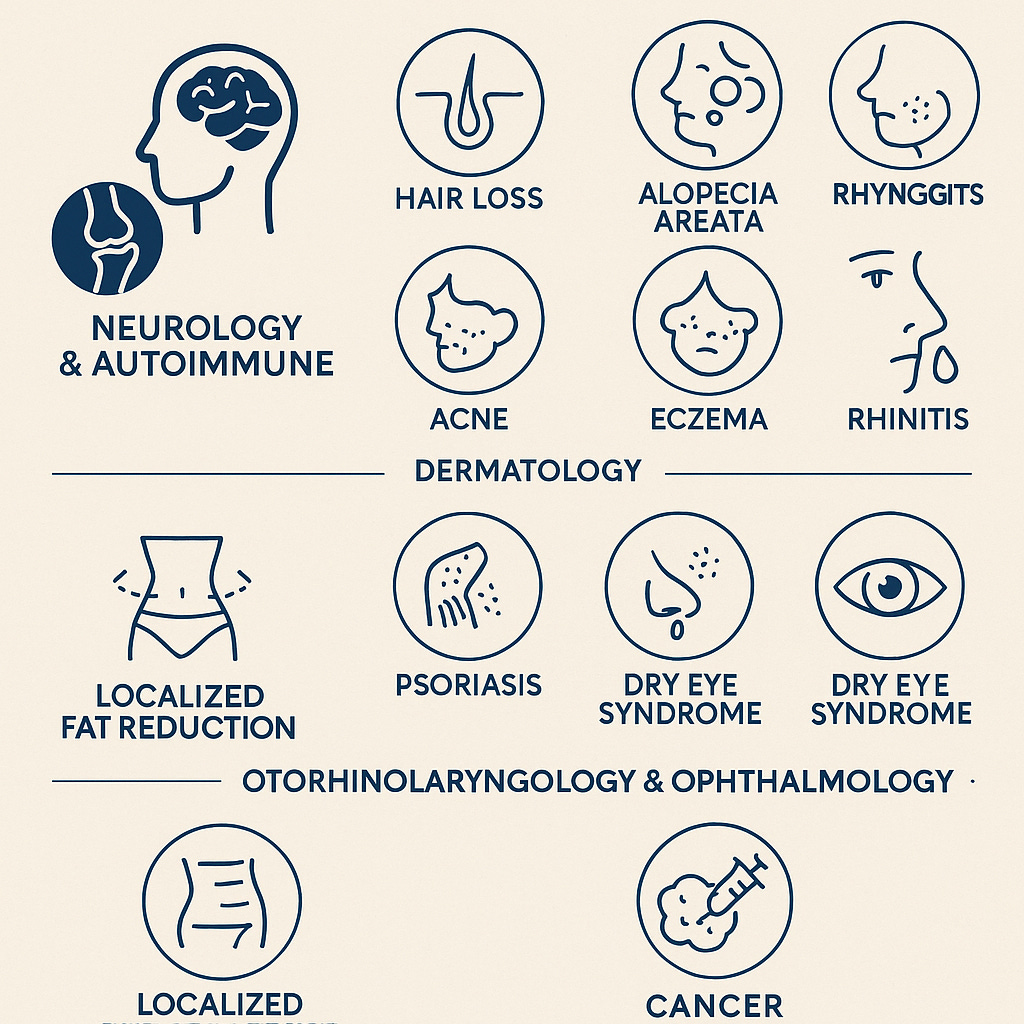
Over the past decade, I have developed and published 13 distinct chlorine dioxide (ClO₂) therapeutic protocols across a wide range of diseases. Each protocol is based on specific delivery routes, unique mechanisms of action, and clinical rationale. Below is a unified review of these therapies, with links to each article and an explanation of their underlying mechanisms based on three core principles:

  • Cellular Elimination (via oxidative necrosis)
  • Tissue Regeneration (via microbial control + inflammation resolution)
  • Immune Modulation (suppressing autoimmunity or stimulating anti-disease responses)

1. Treating Cancer with Chlorine Dioxide (Intra-Tumoral Injection)

Linkhttps://open.substack.com/pub/clo2xuewuliu/p/16-treating-cancer-with-chlorine?r=48chtc
Mechanism:

  • Rapid oxidative destruction of tumor cells
  • Collapse of tumor vasculature
  • Activation of systemic immune response against metastases
  • Promotion of local tissue regeneration

2. Treating Arthritis and Autoimmune Diseases

Linkhttps://open.substack.com/pub/clo2xuewuliu/p/treating-arthritis-with-chlorine?r=48chtc
Mechanism:

  • Local or intra-articular injection reduces cytokine-driven inflammation
  • Resets joint immune environment to suppress autoimmunity
  • Accelerates cartilage and synovial tissue recovery

3. Treating Hair Loss

Linkhttps://open.substack.com/pub/clo2xuewuliu/p/treating-hair-loss-with-chlorine?r=48chtc
Mechanism:

  • Clears microbial and oxidative damage on scalp
  • Activates dormant follicles via immune reset
  • Improves blood flow to hair roots through local vasodilation

4. Treating Alopecia Areata

Linkhttps://open.substack.com/pub/clo2xuewuliu/p/6-treating-alopecia-areata-with-chlorine?r=48chtc
Mechanism:

  • Targets autoimmune attack zones
  • Reduces scalp inflammation
  • Encourages regrowth by rebalancing local immunity

5. Treating Acne

Linkhttps://open.substack.com/pub/clo2xuewuliu/p/7-treating-acne-with-chlorine-dioxide?r=48chtc
Mechanism:

  • Destroys P. acnes bacteria
  • Opens clogged follicles and reduces oil overproduction
  • Suppresses secondary inflammation and redness

6. Treating Eczema

Linkhttps://open.substack.com/pub/clo2xuewuliu/p/10-treating-eczema-with-chlorine-6e4?r=48chtc
Mechanism:

  • Reduces microbial overgrowth and toxins
  • Rebuilds skin barrier through anti-inflammatory effect
  • Calms itch through local immune regulation

7. Treating Psoriasis

Linkhttps://open.substack.com/pub/clo2xuewuliu/p/11-treating-psoriasis-with-chlorine?r=48chtc
Mechanism:

  • Suppresses keratinocyte hyperproliferation
  • Reduces local autoimmunity
  • Supports lesion healing with antimicrobial action

8. Treating Vitiligo

Linkhttps://open.substack.com/pub/clo2xuewuliu/p/12-treating-vitiligo-with-chlorine?r=48chtc
Mechanism:

  • Oxidative modulation to remove inhibitory immune cells
  • Supports melanocyte niche recovery
  • May enhance pigmentation restart

9. Using ClO₂ for Skin Care (Beyond Cosmetics)

Linkhttps://open.substack.com/pub/clo2xuewuliu/p/13-using-chlorine-dioxide-for-skin?r=48chtc
Mechanism:

  • Deep cleansing of microbial and oxidative buildup
  • Improves dermal texture and cellular turnover
  • Long-term inflammation prevention

10. Treating Pharyngitis

Linkhttps://open.substack.com/pub/clo2xuewuliu/p/treating-pharyngitis-with-chlorine?r=48chtc
Mechanism:

  • Rapid microbial decontamination
  • Relieves throat inflammation
  • Speeds mucosal healing and prevents secondary infection

11. Treating Rhinitis

Linkhttps://open.substack.com/pub/clo2xuewuliu/p/14-treating-rhinitis-with-chlorine?r=48chtc
Mechanism:

  • Nasal spray or irrigation kills pathogens
  • Reduces allergic and non-allergic nasal swelling
  • Prevents sinus complications

12. Treating Dry Eye Syndrome

Linkhttps://open.substack.com/pub/clo2xuewuliu/p/8-treating-dry-eye-syndrome-with?r=48chtc
Mechanism:

  • Restores tear film via ocular surface decontamination
  • Calms inflammation in meibomian glands
  • Promotes epithelial regeneration

13. Using ClO₂ for Localized Fat Reduction

Linkhttps://open.substack.com/pub/clo2xuewuliu/p/17-using-chlorine-dioxide-for-localized?r=48chtc
Mechanism:

  • Oxidative destruction of subcutaneous adipocytes
  • Induces fibrosis-free tissue remodeling
  • Safe aesthetic alternative to liposuction

These applications show that chlorine dioxide is not a one-size-fits-all remedy. Its value lies in protocol design, precision dosing, and mechanism-specific logic.

_______________

For more: