Archive for the ‘Testing’ Category

Lyme in California – What You Need to Know

http://bakersfieldnow.com/news/local/lyme-disease-in-california-what-you-need-to-know

Lyme disease in California: What you need to know

by Emma Goss, Eyewitness News

f844e6d4-2904-45f8-b034-69a372b5db19-large16x9_ESPINOZA_LYMEDISEASE_0027_frame_5778

Bakersfield City Councilman Chris Parlier has been battling Lyme disease for almost 20 years. (KBAK/KBFX)

BAKERSFIELD, Calif. (KBAK/KBFX) – Lyme disease, widely thought to be an east-coast illness, is widespread across California, and growing rapidly.

The disease often gets misdiagnosed and goes under reported, but researchers say Californians and doctors need to be aware.

Chris Parlier is a Bakersfield City Councilman, and father of two. He has been battling Lyme disease for almost 20 years.

A former cop and special agent for the California Department of Justice, Parlier went investigating a suspected meth lab in the mountains of Tick Canyon between Santa Clarita and Palmdale in the late 1990’s.

“I thought that if I was ever going to get injured in the line of duty, maybe I’d get shot, a car wreck, some sort of exposure at a methamphetamine lab,” Parlier said. “But never in my wildest dreams would I think that a tick would get on me and cause such a horrific illness.”

A few weeks later, he came down with what seemed like the flu. When he noticed a rash on his upper thigh, he visited a Bakersfield doctor.

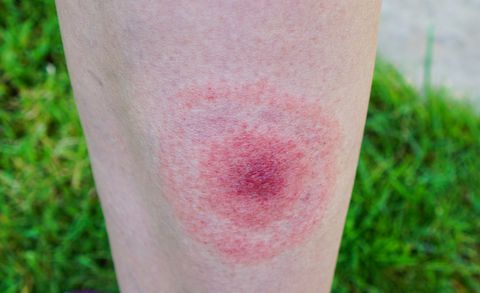
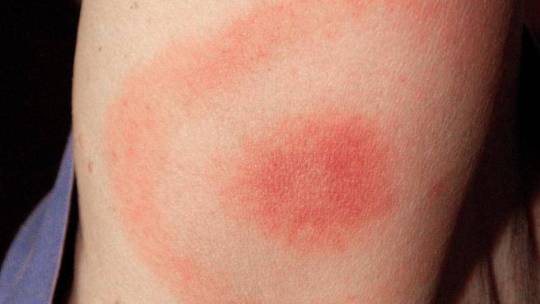
Observing the Erythema Multiforme rash, often called the “bull’s-eye rash”, and Parlier’s other symptoms of muscle and joint pain, Parlier was diagnosed with Lyme disease.

“It started with losing feeling in parts of my limbs, my left side of my body, especially my left leg, my left arm. I started getting involuntary muscle response, my hand would move by itself sometimes, and my leg would do that too. And it got to the point my speech started being impaired and my walking started to be impaired,” Parlier said.

Parlier sought treatment from a specialist at UCLA, and after a year of aggressive antibiotics and protracted therapy, his strength came back. Parlier considers himself lucky to have caught it.

Fewer than half of Lyme disease cases ever show the bull’s-eye rash, and the symptoms of the disease mimic other diseases that lead to frequent misdiagnosis.

There are over 100 strains of the bacteria that cause Lyme disease, but the standard test doctors give won’t detect all of them, and researchers say as many as half of Lyme cases go undetected.

“The testing that we have is fairly antiquated, it’s an old technology,” Dr. Sunjya Schweig, co-founder and co-director of the California Center for Functional Medicine, said. “No better than flipping a coin.”

Lyme disease infects 300,000 Americans a year, and it’s thought to be most prevalent in the Northeastern United States, according to the Center for Disease Control. But it’s a rapidly growing threat in California, where tick season isn’t just in spring and summer, it’s all year round.

“The real number in our state that has 40 million people, is probably in the thousands,’ Dr. Raphael Stricker, a Lyme disease specialist and medical director of Union Square Medical Associates, said.

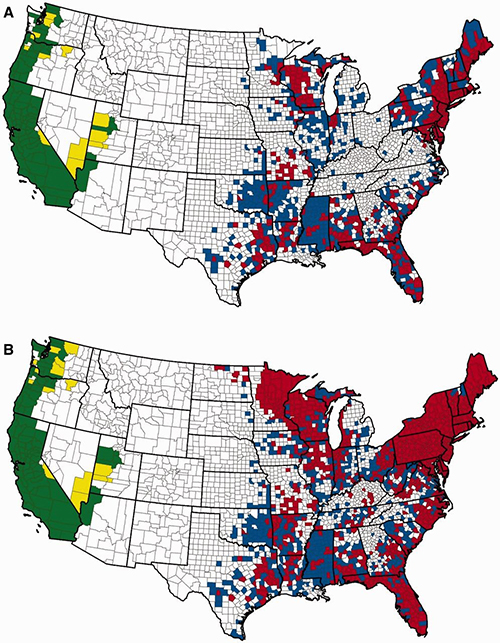
Lyme disease cases have been found in 56 out of 58 counties in California. Kern county only has 21 reported cases, but its proximity to Los Angeles, San Diego, and Sonoma, all hot spots for Lyme disease, put Kern residents at a higher risk.

Why the sudden uptick? Experts suggest that people living in closer proximity with nature and building homes in more areas that used to be rural are factors leading to more humans exposed to ticks.

To protect yourself, doctors recommend frequent tick checks after spending time outdoors, using tick repellents, and choosing light-colored clothing that doesn’t expose your skin to ticks.

Anyone worried that they already have Lyme disease but haven’t gotten a confirmed diagnosis should ask for more thorough testing for other bacteria, and ask a doctor to test for other tick-borne infections.

The International Lyme and Associated Diseases Society encourages doctors to begin antibiotic treatment for patients they suspect could have Lyme disease based on a clinical assessment of their symptoms, even if they don’t test positive for the disease.

Parlier still gets an immunoglobulin injection every month to support his immune system, but lives a relatively normal, active life, serving the Bakersfield community.

“I realize that the illness may never go away completely,” Parlier said. “But there will still be joy in my life.”

______________

More on Lyme in California:  https://madisonarealymesupportgroup.com/2018/05/19/infected-ticks-in-california-its-complicated/

https://madisonarealymesupportgroup.com/2017/08/07/california-lyme-cases-get-no-respect/

https://madisonarealymesupportgroup.com/2018/02/02/miyamotoi-in-ixodes-pacificus-in-california/

https://madisonarealymesupportgroup.com/2018/02/15/b-miyamotoi-in-ca-ticks-for-a-long-time/

https://madisonarealymesupportgroup.com/2018/02/14/borrelia-miyamotoi-in-ca-serodiagnosis-is-complicated-by-multiple-endemic-borrelia-species/

https://madisonarealymesupportgroup.com/2017/10/09/bb-in-california-chipmunk-and-squirrels/

https://madisonarealymesupportgroup.com/2011/09/25/putting-lyme-behind-you-questions-and-answers-with-california-lyme-doctors/

New Berlin Mom Given “Life-altering’ Lyme Disease Diagnoses After pregnancy

https://www.tmj4.com/news/local-news/new-berlin-mom-given-life-altering-lyme-disease-diagnoses-after-pregnancy  (Go here for News Video)

New Berlin mom given ‘life-altering’ Lyme Disease diagnoses after pregnancy

“My right knee will hurt and sometimes my right wrist will lock up,” said Mabry.

All her symptoms could be explained away. Mabry was in the middle of writing a children’s book, “Hi It’s me! I have ADHD” and she was about to have her fourth child.

“I said, ‘I’m exhausted because I’m pregnant. My knee hurts because I did too much today,'” said Mabry.

But the reality was much more serious. After her son was born she found out she had Lyme Disease, a bacteria transmitted through tick bites that could lead to swelling of the brain and heart.

“Internally you feel like something is eating away at you. You feel like you have the flu, you just ran a marathon. You’re fatigued. Like right now I’m experiencing hot and cold,” said Mabry.

Her doctor thinks Mabry got it last summer, likely from the forest preserve by her house. And she’s not alone. Since 2004, Lyme Disease has tripled. Latest numbers show Wisconsin ranks fourth in reported cases. Mabry’s diagnosis means daily antibiotic IV treatments.

“It’s life-altering,” said Mabry.

Though there is a chance her pain and other symptoms might never go away.

“I’m generally a positive person. And I am trying so hard to stay positive but when you feel awful so often it’s hard sometimes,” said Mabry.

Experts recommend that you wear long sleeves and pants if you are going to be out in long grass or in wooded areas where ticks are likely to be. They also suggest you use an insect repellant with at least 20 percent DEET.

For more information about how to prevent tick bites, visit the CDC’s website.

_______________

**Comment**

There are numerous things about this article that I’m thankful to see:

  1. Many don’t see the tick or rash.  In fact, fewer than 50% recall a tick bite or a rash:  http://www.ilads.org/lyme/about-lyme.php
  2. It’s quite normal for patients to blame previous injuries, stress, and other things for their symptoms, only the symptoms progress and worsen.  Never let a doctor discount your symptoms.  Be your own advocate.  Lyme/MSIDS is the great imitator and looks like 300 different diseases.
  3. It is common for pregnancy to worsen symptoms.  While the CDC/IDSA/NIH deny sexual or breast milk transmission, they admit it can infect the placenta and cause possible still-birth.  There is actual science on congenital transfer: http://www.researchfraud.com/fetal-lyme-borreliosis/  (Two listed below but this link as a gad-load more)

However, there are some things that need to be addressed.

We need “experts” to start acknowledging and factoring in coinfections and that patients are rarely infected with just borrelia, the causative agent of Lyme Disease:  https://madisonarealymesupportgroup.com/2017/07/01/one-tick-bite-could-put-you-at-risk-for-at-least-6-different-diseases/  (The actual number is 18 and counting…..)

We desperately need transmission studies on virtually everything.  I’m so tired of hearing “experts” repeat ancient, 30 year old mantras that Lyme is not spread in any other way than the dastardly black legged tick.  There’s just too much evidence to the contrary!

Willy Burgdorfer, the discoverer of Lyme, stated:  “… now we had found a spirochete capable of spreading transplacentally to the organs of the fetus, causing congenital heart disease and possible death of the infant [42] ;  REVIEWS OF INFECTIOUS DISEASES • VOL. 8, NO.6· NOVEMBER-DECEMBER 1986

and

“We report the case of a woman who developed Lyme disease during the first trimester of pregnancy. She did not receive antibiotic therapy. Her infant born at 35 weeks gestational age, died of congenital heart disease during the first week of life. Histologic examination of autopsy material showed the Lyme disease spirochete in the spleen, kidneys, and bone marrow. An autopsy of the infant showed widespread congenital cardiovascular abnormalities. … There was no evidence of inflammation …”  Schlesinger PA et al.  Ann Intern Med 1985;103:67-8

As to sexual transmission, Dr. Rawls, OBGYN states it’s possible:  https://rawlsmd.com/health-articles/can-lyme-be-sexually-transmitted

As to sexual, congenital and transmission via breastmilk, Dr. Howenstein states:  http://www.samento.com.ec/sciencelib/4lyme/Townsendhowens.html  “There is compelling evidence that Lyme disease (LD) can be spread by sexual and congenital transfer. One physician has cared for 5000 children with LD: 240 of these children were born with the disease. Dr. Charles Ray Jones, the leading pediatric specialist on Lyme Disease, has found 12 breastfed children who have developed LD. Miscarriage, premature births, stillbirths, birth defects, and transplacental infection of the fetus have all been reported. Studies at the University of Vienna have found Bb in urine and breast milk of LD mothers.

Researchers at the University of Wisconsin have reported that dairy cattle can be infected with Bb, hence milk could be contaminated. Bb can also be transmitted to lab animals by oral intake such as food.”

Also read:  https://madisonarealymesupportgroup.com/2017/02/24/pcos-lyme-my-story/

Researchers need to quit clamoring about climate change and start doing legitimate, current, transmission studies!  

https://madisonarealymesupportgroup.com/2017/08/14/canadian-tick-expert-climate-change-is-not-behind-lyme-disease/  “The climate change range expansion model is what the authorities have been using to rationalize how they have done nothing for more than thirty years. It’s a huge cover-up scheme that goes back to the 1980’s. The grandiose scheme was a nefarious plot to let doctors off the hook from having to deal with this debilitating disease. I caught onto it very quickly. Most people have been victims of it ever since.” This quote was given by none other than independent tick researcher, John Scott.

H.R. 5878 – National Lyme & Tick-Borne Diseases Control & Accountability Act of 2018

https://lymediseaseassociation.org/images/NewDirectory/Government/2018_SMITNJ_bill_081_xml.pdf

115TH CONGRESS 2D SESSION

H. R. 5878

To provide for a national strategy to address and overcome Lyme disease and other tick-borne diseases, and for other purposes.

IN THE HOUSE OF REPRESENTATIVES

Mr Smith of New Jersey introduced the following bill; which was referred to the Committee on __________________

A Bill

To provide for a national strategy to address and overcome Lyme disease and other tick-boune diseases, and for other purposes.

1 Be it enacted by the Senate and House of Representa-

2 tives of the United States of America in Congress assembled,

3 SECTION 1. SHORT TITLE.

4 This Act may be cited as the ‘‘National Lyme and

5 Tick-Borne Diseases Control and Accountability Act of

6 2018’’.

2

1 SEC. 2. OFFICE OF OVERSIGHT AND COORDINATION FOR

2 TICK-BORNE DISEASES.

3 (a) ESTABLISHMENT.—The Secretary of Health and

4 Human Services shall establish in the Office of the Sec

5 retary the Office of Oversight and Coordination for Tick

6 Borne Diseases, to be headed by a director appointed by

7 the Secretary—

8 (1) to oversee the creation and updating of an

9 integrated national strategy to overcome Lyme dis

10 ease and other tick-borne diseases; and

11 (2) to oversee and coordinate Lyme disease and

12 other tick-borne disease programs and activities

13 across the agencies and offices of the Department of

14 Health and Human Services.

15 (b) OBJECTIVE OF OFFICE.—In carrying out sub

16 section (a), the Director of the Office shall facilitate and

17 work to ensure accomplishment of the following activities:

18 (1) Expansion and enhancement of epidemiolog-

19 ical research and basic, translational, and clinical bi-

20 ological and biomedical research.

21 (2) Expansion and improvement of the surveil-

22 lance and reporting of Lyme disease and other tick-

23 borne disease, including coinfections with agents of

24 more than one tick-borne disease.

25 (3) Development of effective diagnostic tests to

26 accurately and timely diagnose Lyme disease and

3

1 other tick-borne disease, including direct detention

2 tests.

3 (4) Development of treatments to cure or im-

4 prove the lives of those who are infected with Lyme

5 disease or other tick-borne disease or who suffer

6 from a tick-induced disorder.

7 (5) Design and conduct of clinical trials of suf-

8 ficient size and duration to support clinical rec-

9 ommendations.

10 (6) Development and maintenance of one or

11 more registries of patients and their experiences re-

12 lating to exposure to, diagnosis for, and treatment

13 of tick-borne disease, including outcomes, which reg-

14 istries shall protect the confidentiality and safety of

15 patient data.

16 (7) Systematic documentation of the experi-

17 ences of health care professionals in diagnosing and

18 treating tick-borne disease, including diagnostic and

19 treatment outcomes.

20 (8) Inclusion individuals with chronic Lyme dis-

21 ease in clinical, research, and service efforts.

22 (9) Coordination with international bodies to in

23 tegrate and inform the fight against Lyme disease

24 and tick-borne disease globally.

4

1 (c) INTEGRATION OF TICK-BORNE DISEASE WORK-

2 ING GROUP FINDINGS AND RECOMMENDATIONS.—In car-

3 rying out this section, the Director of the Office shall, as

4 directed by the Secretary, with any modifications made by

5 and as otherwise determined appropriate by the Secretary,

6 oversee and coordinate integration and implementation,

7 into the activities of the Office and the activities and pro-

8 grams of the agencies and offices of the Department of

9 Health and Human Services, of the recommendations to

10 the Secretary and the findings and conclusions in the lat-

11 est report of the Tick-Borne Disease Working Group sub-

12 mitted to the Secretary and congressional committees.

13 (d) PRIORITY BASED ON DISEASE BURDEN.—In car-

14 rying out this section, the Director of the Office shall give

15 priority to Lyme disease and other tick-borne disease

16 based on assessments of disease burden in the United

17 States.

18 SEC. 3. NATIONAL STRATEGY.

19 (a) IN GENERAL.—The Secretary, in coordination

20 with the Director of the Office, and in consultation with

21 the Tick-Borne Disease Working Group, the agencies and

22 offices of the Department of Health and Human Services,

23 and other Federal agencies outside of the Department of

24 Health and Human Services as appropriate, shall—

5

1 (1) not later than 2 years after the date of en-

2 actment of this Act, develop and submit to the Con-

3 gress a national strategy for the conduct and sup-

4 port of Lyme disease and other tick-borne disease or

5 disorder programs and activities; and

6 (2) not less than every 2 years thereafter, up

7 date such strategy.

8 (b) CONTENTS.—The strategy under subsection (a)

9 shall include—

10 (1) proposed budgetary requirements;

11 (2) an assessment of all federally funded pro-

12 grams and activities related to surveillance, diag

13 nosis, treatment, education, or prevention with re-

14 spect to Lyme disease or other tick-borne disease, an

15 evaluation of progress and performance based on

16 mission and purpose, and a description of significant

17 challenges or barriers to performance, including an

18 assessment of Federal grants awarded;

19 (3) a strategy for improving diagnosis, treat-

20 ment, and prevention, including increasing the im-

21 pact of grants awarded by the National Institutes of

22 Health, the Centers for Disease Control and Preven-

23 tion, and other agencies and offices of the Depart-

24 ment of Health and Human Services;

6

1 (4) a strategy for improving outcomes of indi-

2 viduals with Lyme disease or another tick-borne dis-

3 ease or disorder, including progress related to chron-

4 ic or persistent symptoms and chronic or persistent

5 infection and coinfections, including plans for evalu-

6 ating the potential value of and supporting the con-

7 duct of observational studies, comparative effective-

8 ness research, patient-centered outcomes research,

9 or other real world evidence;

10 (5) the appropriate benchmarks to measure

11 progress in achieving the improvements described in

12 paragraphs (3) and (4);

13 (6) a strategy for improving interactions, co-

14 ordination, and partnerships with other Federal

15 agencies, State and local governments, and global

16 entities; and

17 (7) the latest recommendations of the Tick-

18 Borne Disease Working Group and the steps taken

19 by the agencies and offices of the Department of

20 Health and Human Services to implement those rec-

21 ommendations.

7

1 SEC. 4. FEDERAL ACTIVITIES RELATED TO THE DIAGNOSIS,

2 SURVEILLANCE, AND PREVENTION OF, AND

3 RESEARCH ON, LYME DISEASE AND OTHER

4 TICK-BORNE DISEASES AND DISORDERS.

5 (a) IN GENERAL.—The Secretary, in coordination

6 with the Director of the Office, acting as the Secretary

7 determines appropriate through the Director of the Cen-

8 ters for Disease Control and Prevention, the Director of

9 the National Institutes of Health, the Commissioner of

10 Food and Drugs, the Director of the Agency for

11 Healthcare Research and Quality, the Administrator of

12 the Health Resources and Services Administration, the Di-

13 rector of the Indian Health Service, and the heads of other

14 Federal agencies, and in consultation with the Tick-Borne-

15 Disease Working Group, shall provide for—

16 (1) the conduct or support of the activities de-

17 scribed in paragraphs (1) through (8) of subsection

18 (b); and

19 (2) the coordination of all programs and activi-

20 ties of the Department of Health and Human Serv-

21 ices related to Lyme disease and other tick-borne

22 diseases and disorders and Bartonella.

23 (b) ACTIVITIES.—The activities to be conducted or

24 supported under subsection (a)(1) consist of the following:

25 (1) EXPANSION AND ENHANCEMENT OF RE-

26 SEARCH.—

8

1 (A) IN GENERAL.—The Secretary shall ex-

2 pand and intensify epidemiological, basic,

3 translational, and clinical research regarding

4 Lyme disease and other tick-borne disease and

5 disorders and bartonellosis to better under-

6 stand—

7 (i) the pathophysiology of Borrelia-

8 burgdorferi and other tick-borne microorga-

9 nisms that are human pathogens and of

10 Bartonella;

11 (ii) pathophysiological changes over

12 time, including pathogen persistence pro-

13 files for patients with differing treatment

14 histories;

15 (iii) activation and deactivation of im-

16 mune system processes; and

17 (iv) whether, and what species of,

18 Bartonella are transmitted by ticks.

19 (B) CLINICAL OUTCOMES RESEARCH.—The

20 Secretary shall conduct or support clinical out-

21 comes research to—

22 (i) establish epidemiological research

23 objectives to determine the long-term

24 course of illness for Lyme disease and

25 other tick-borne diseases and disorders;

9

1 (ii) establish patient-centered treat-

2 ment outcome objectives to allow for the

3 comparative effectiveness of different treat-

4 ment modalities; and

5 (iii) establish patient-centered re-

6 search objectives to help elucidate prom-

7 ising treatment protocols for individuals

8 suspected of harboring coinfections with

9 more than one tick-transmitted pathogen.

10 (C) COLLABORATIVE, MULTIDISCIPLINARY

11 RESEARCH.—The Secretary shall encourage the

12 solicitation of proposals for collaborative, multi-

13 disciplinary research that would—

14 (i) result in innovative approaches to

15 study emerging scientific opportunities or

16 eliminate gaps in research to improve the

17 research portfolio, including application of

18 successful and promising advances in the

19 study of other types of diseases, such as

20 upregulating or downregulating immune

21 system cells or processes;

22 (ii) outline key research questions,

23 methodologies, and knowledge gaps;

24 (iii) expand the number of research

25 proposals that involve collaboration be-

10

1 tween 2 or more national research insti-

2 tutes or national centers of the National

3 Institutes of Health, including proposals

4 for research through the Common Fund

5 pursuant to section 402(b)(7) of the Public

6 Health Service Act (42 U.S.C. 282(b)(7))

7 to improve the research portfolio;

8 (iv) expand the number of collabo-

9 rative multi-institutional research grants

10 related to tick-borne disease; and

11 (v) involve additional national re-

12 search institutes and national centers of

13 the National Institutes of Health in intra-

14 mural and extramural research on tick

15 borne disease, such as the National Insti-

16 tute of Neurological Disorders and Stroke

17 conducting or sponsoring research on

18 neurologic Lyme disease.

19 (D) EVALUATION.—Not later than 2 years

20 after the date of enactment of this Act, the Sec

21 retary shall evaluate and make findings on—

22 (i) the feasibility and potential value

23 to the research community of establishing

24 a deidentified human subjects database for

11

1 Lyme disease and other tick-borne diseases

2 and disorders;

3 (ii) existing government or private

4 biorepositories for Lyme disease and other

5 tick-borne diseases and disorders and

6 whether—

7 (I) specimens and samples are

8 adequate and available to meet re-

9 searcher needs; or

10 (II) there are problems or chal-

11 lenges for researcher acquisition of

12 samples and specimens; and

13 (iii) the scope and use of specimens

14 and samples from cadavers, the questions

15 and answers such research may provide,

16 and the need for additional support of re-

17 searchers using cadaver specimens.

18 (E) PRIORITY.—In carrying out this para-

19 graph, the Secretary shall make it a priority to

20 determine the extent of post treatment persist-

21 ence of Borrelia burgdorferi and the clinical sig-

22 nificance of such persistence.

23 (2) DEVELOPMENT OF NEW AND IMPROVED DI-

24 AGNOSTIC TESTS.—

12

1 (A) IN GENERAL.—The Secretary, in co-

2 operation with the Director of the Office, and

3 acting through the Directors of the Centers for

4 Disease Control and Prevention and the Direc

5 tor of the National Institutes of Health, shall

6 conduct and support research to—

7 (i) provide for the timely evaluation of

8 promising new and improved diagnostic

9 methods, including direct-detection tests,

10 antibody-based tests, and tests based on

11 biosignature and biomarker profiles to

12 make a specific diagnosis or aid in dif-

13 ferential diagnoses;

14 (ii) improve the sensitivity of Lyme

15 disease tests at all stages of disease pro-

16 gression;

17 (iii) develop a Lyme disease test capa-

18 ble of distinguishing between past and ac-

19 tive infections;

20 (iv) improve timely, sensitive, and spe-

21 cific diagnostic tools and tests for Rocky

22 Mountain spotted fever; and

23 (v) improve the performance (timeli-

24 ness and accuracy) of tools and tests for

13

1 other tick-borne diseases found in the

2 United States.

3 (B) STRATEGIES FOR EXPEDITING CLEAR-

4 ANCE.—The Secretary shall direct the Commis-

5 sioner of Food and Drugs to design and pro-

6 pose or implement, as appropriate within the

7 authorities and public health priorities vested in

8 the Secretary by other provisions of law, strate-

9 gies for facilitating and expediting the clearance

10 or approval of improved diagnostic tests for

11 Lyme disease and other tick-borne disease, par-

12 ticularly where—

13 (i) there are no cleared diagnostic

14 tests; or

15 (ii) cleared diagnostic tests lack a

16 high level of specificity or sensitivity or are

17 unable to confirm the presence or absence

18 of active infection.

19 (3) ENSURING SAFETY AND EFFICACY OF VAC-

20 CINES.—The Secretary shall—

21 (A) ensure the safety and efficacy of any

22 new, renewed, or modified human vaccine for

23 Lyme disease, other tick-borne disease, or a

24 combination of such diseases; and

14

1 (B) require the Commissioner of Food and

2 Drugs to submit to the Secretary prior to final

3 approval of the vaccine being reviewed, a report,

4 with appropriate provisions for commercial con

5 fidentiality, detailing the safety of the vaccine

6 and contrasting its safety profile based on its

7 mechanisms of action to safety concerns ex-

8 pressed to the Food and Drug Administration

9 regarding the human vaccine withdrawn from

10 the market in 2002 and how those concerns

11 with the withdrawn vaccine have been addressed

12 or why they are not relevant.

13 (4) MONITORING AND UNDERSTANDING HUMAN

14 CASES OF LYME DISEASE AND OTHER TICK-BORNE

15 DISEASES.—

16 (A) IN GENERAL.—The Secretary shall—

17 (i) establish and maintain a statis-

18 tically sound, scientifically credible surveil-

19 lance system to be known as the National

20 Tick-Borne Disease Surveillance System;

21 (ii) enhance and expand infrastructure

22 and activities to track the epidemiology of

23 Lyme disease and other tick-borne diseases

24 and disorders; and

15

1 (iii) incorporate information obtained

2 through such activities into the National

3 Tick-Borne Disease Surveillance System.

4 (B) RESEARCH.—The Secretary shall en-

5 sure that the National Tick-Borne Disease Sur-

6 veillance System is designed in a manner that

7 facilitates further research on Lyme disease and

8 other tick-borne diseases and disorders.

9 (C) CONTENT.—In carrying out subpara-

10 graph (A), the Secretary—

11 (i) shall provide for the collection and

12 storage of information on the incidence

13 and prevalence of tick-borne disease in the

14 United States—

15 (I) while continuing to support

16 activities in the 14 States with the

17 highest number of reported cases of

18 Lyme disease, and intensifying efforts

19 in other States where Lyme disease

20 has been reported and where all re-

21 ported cases cannot be affirmatively

22 associated with out-of-State travel in

23 order to better determine where the

24 disease is emerging;

16

1 (II) working with the States and

2 treating physicians, in consultation

3 with the Council of State and Terri-

4 torial Epidemiologists (in this clause

5 referred to as the ‘‘CSTE’’), to im-

6 prove evaluation of the feasibility of

7 capturing data on cases that do not

8 meet surveillance criteria of the CSTE

9 and the Centers for Disease Control

10 and Prevention;

11 (III) in consultation with the

12 CSTE, working with States that are

13 using averaging or similar techniques

14 to estimate case reports to ensure that

15 data produced by that process are

16 able to be reported out by the Centers

17 for Disease Control and Prevention;

18 (IV) in consultation with the

19 CSTE, working with the States to en-

20 courage and improve laboratory re-

21 porting of Lyme disease and other

22 tick-borne diseases, and evaluate the

23 feasibility of creating a national uni-

24 form reporting system including man-

17

1 datory reporting by States and physi

2 cians and laboratories in each State;

3 (V) including in the surveillance

4 system bartonellosis transmitted by

5 any vector and, if it is known, by the

6 vector of transmission; and

7 (VI) tracking incidence and prev-

8 alence data for tick-borne disorders;

9 (ii) to the extent practicable, shall

10 provide for the collection and storage of

11 other available information on Lyme dis-

12 ease and other tick-borne diseases and dis-

13 orders, including information related to

14 persons who have been diagnosed with and

15 treated for tick-borne disease who choose

16 to participate, such as—

17 (I) demographics, such as age,

18 race, sex, geographic location, and

19 other information, as appropriate;

20 (II) family history and experience

21 with tick-borne disease or tick induced

22 disorder;

23 (III) history of exposure and

24 known tick bites;

18

1 (IV) progression of signs and

2 symptoms;

3 (V) diagnostic and treatment his-

4 tory and outcomes; and

5 (VI) additional screening con-

6 ducted and related data, such as bio-

7 logical markers.

8 (D) CONSULTATION.—In carrying out this

9 paragraph, the Secretary shall consult with in-

10 dividuals with appropriate expertise, which may

11 include—

12 (i) epidemiologists with experience in

13 disease surveillance or registries;

14 (ii) representatives of national patient

15 advocacy and research organizations that

16 focus on tick-borne disease and have dem-

17 onstrated experience in research, data col-

18 lection, or patient access to care;

19 (iii) health information technology ex-

20 perts or other information management

21 specialists;

22 (iv) clinicians with expertise in Lyme

23 disease or other tick-borne diseases or dis-

24 orders; and

19

1 (v) research scientists with experience

2 conducting translational research or uti-

3 lizing surveillance systems for scientific re-

4 search purposes.

5 (E) GRANTS.—The Secretary may award

6 grants to, or enter into contracts or cooperative

7 agreements with, public or private nonprofit en-

8 tities to carry out activities under this para-

9 graph.

10 (F) COORDINATION WITH FEDERAL,

11 STATE, AND LOCAL AGENCIES.—Subject to sub-

12 paragraph (H), the Secretary shall—

13 (i) establish agreements and mecha-

14 nisms, as appropriate, for improved col-

15 lecting and reporting of tick-borne disease

16 surveillance data under subparagraphs (A),

17 (B), and clause (i) of subparagraph (C)

18 and other available information under

19 clause (ii) of subparagraph (C) from com-

20 munity health centers funded by the

21 Health Resources and Services Administra-

22 tion and medical facilities of the Indian

23 Health Service;

24 (ii) establish formal agreements, as

25 appropriate and may be worked out, to

20

1 provide for improved collection and report-

2 ing of surveillance data under subpara-

3 graphs (A), (B) or clause (i) of subpara-

4 graph (C) and other available information

5 under clause (ii) of subparagraph (C), ob-

6 tained from hospitals and medical clinics

7 run by other Federal departments and

8 agencies;

9 (iii) make information and analysis in

10 the National Tick-Borne Disease Surveil-

11 lance System available, as appropriate, to

12 all components of the Department of

13 Health and Human Services, to other Fed-

14 eral agencies, and to State and local agen-

15 cies; and

16 (iv) identify, build upon, leverage, and

17 coordinate among existing data and sur-

18 veillance systems, surveys, registries, and

19 other Federal public health infrastructure,

20 wherever practicable.

21 (G) PUBLIC ACCESS.—Subject to subpara-

22 graph (H), the Secretary shall ensure that in

23 formation and analysis in the National Tick-

24 Borne Disease Surveillance System are avail-

25 able, as appropriate, to the public and other in-

21 1 terested parties on the website of the Depart-

2 ment of Health and Human Services.

3 (H) PRIVACY.—The Secretary shall ensure

4 that information and analysis in the National

5 Tick-Borne Disease Surveillance System are

6 made available only to the extent permitted by

7 applicable Federal and State law, and in a

8 manner that protects personal privacy, to the

9 extent required by applicable Federal and State

10 privacy law, at a minimum.

11 (5) EDUCATION AND PREVENTION.—

12 (A) CONSUMER AND COMMUNITY EDU-

13 CATION.—The Secretary shall increase public

14 education related to Lyme disease and other

15 tick-borne diseases and disorders through the

16 expansion of the community-based education

17 programs of the Centers for Disease Control

18 and Prevention to include development and

19 publication of a consumer tick disease pam-

20 phlet, available online and by hard copy, ad-

21 dressing— 22 (i) ticks and tick-borne diseases com-

23 mon to the geographic area, tick-borne dis-

24 ease that could be acquired while on do-

25 mestic or international travel, and ticks

22

1 that, while not common to the geographic

2 area, could migrate to the area;

3 (ii) signs and symptoms of such tick-

4 borne disease;

5 (iii) tick removal instructions;

6 (iv) the most effective actions individ-

7 uals can take to reduce risk of exposure to

8 ticks and risk of disease transmission; and

9 (v) additional community-based ac-

10 tions to reduce risk of exposure to ticks.

11 (B) COORDINATION.—In carrying out sub-

12 paragraph (A), the Secretary, acting through

13 the Director of the Centers for Disease Control

14 and Prevention, shall coordinate with legally in

15 corporated Lyme disease or other tick-borne

16 disease organizations.

17 (C) DISSEMINATION.—The Administrator

18 of the Health Resources and Services Adminis-

19 tration and the Director of the Indian Health

20 Service shall make available in rural health cen-

21 ters and clinics which they operate or fund—

22 (i) the consumer tick disease pam-

23 phlets developed under subparagraph (A);

24 or

23

1 (ii) such other appropriate consumer

2 tick disease pamphlets as the Administra-

3 tion or Service may develop or acquire.

4 (D) PHYSICIAN EDUCATION.—The Sec-

5 retary shall carry out a physician education

6 program that addresses the full spectrum of sci-

7 entific research related to Lyme disease and

8 other tick-borne diseases and disorders, includ-

9 ing—

10 (i) the role of clinical diagnosis;

11 (ii) the limitations of serological diag-

12 nostic tests;

13 (iii) enhanced, validated diagnostics

14 available from laboratories certified under

15 section 353 of the Public Health Service

16 Act (42 U.S.C. 263a) that may aid the

17 physician;

18 (iv) guidelines available on the Na-

19 tional Guideline Clearinghouse;

20 (v) the voluntary nature of clinical

21 practice guidelines;

22 (vi) the complexities presented by co-

23 infections relating to symptomology, diag

24 nosis, and treatment, including prudently

24

1 acting in the patient’s interest in non- or

2 low-incidence States; and

3 (vii) the identification of significant

4 research gaps most impacting diagnosis

5 and treatment, and significant research

6 being conducted to address those gaps.

7 (E) PROCESS FOR DEVELOPING PHYSICIAN

8 EDUCATION PROGRAM.—The Secretary of

9 Health and Human Services shall—

10 (i) conduct a public meeting to solicit

11 input for the design of the physician edu-

12 cation program under subparagraph (D);

13 (ii) give the public notice of such

14 meeting at least 45 days in advance;

15 (iii) also solicit input on the design of

16 the physician education program from the

17 Tick-Borne Disease Working Group;

18 (iv) publish a proposed syllabus for

19 the physician education program not more

20 than 120 days after the public meeting;

21 (v) allow for a 60-day public comment

22 period before publishing such syllabus in

23 final form; and

24 (vi) publish on the public website of

25 the Department of Health and Human

25

1 Services a summary of the comments re-

2 ceived from the public under this subpara-

3 graph before conducting the first training

4 program under subparagraph (D).

5 (6) MONITORING, UNDERSTANDING, AND CON-

6 TROLLING VECTORS AND ANIMAL RESERVOIRS OF

7 LYME DISEASE AND OTHER TICK-BORNE DISEASE.—

8 (A) TICK SURVEILLANCE AND TESTING.—

9 The Secretary, in coordination with the Direc-

10 tor of the Office, acting through the Director of

11 the Centers for Disease Control and Prevention

12 and other agencies and offices of the Depart-

13 ment of Health and Human Services as appro-

14 priate, shall—

15 (i) not later than 180 days after the

16 date of enactment of this Act, provide a re-

17 port to the Congress describing the tick

18 surveillance and pathogen testing activities

19 of the Department and entities funded by

20 the Department, including—

21 (I) a detailed description of the

22 tick surveillance and tick pathogen

23 testing activities and planned activi-

24 ties of the Vector-Borne Disease Re-

25 gional Centers of Excellence as estab-

26

1 lished under Funding Opportunity

2 Announcement RFA–CK–17–005,

3 Catalog of Federal Domestic Assist-

4 ance Number 93.084; and

5 (II) within such description, the

6 roles of participating academic, gov-

7 ernmental, and private institutions;

8 (ii) not later than 2 years after the

9 date of enactment of this Act, in consulta-

10 tion and coordination with other Federal

11 agencies and State and local government

12 agencies, as appropriate, and established

13 academic or nonprofit tick-testing centers,

14 develop a framework and an implementa-

15 tion plan for a comprehensive nationwide

16 strategy for the surveillance and testing of

17 ticks for human pathogens and microorga-

18 nisms with unknown pathogenicity, includ-

19 ing a plan for a network of tick identifica-

20 tion and testing laboratories;

21 (iii) not later than 2 years after the

22 date of enactment of this Act, establish

23 agreements and procedures for sharing

24 data on surveillance and testing of ticks

27

1 with other Federal departments and agen-

2 cies engaged in such activities; and

3 (iv) consult and coordinate with the

4 American Veterinary Medical Association

5 and the Companion Animal Parasite Coun-

6 cil on obtaining and sharing data on the

7 surveillance and testing of ticks and tick

8 borne pathogens, including geographic in

9 formation from veterinary encounters.

10 (B) INVESTIGATION.—In carrying out sub-

11 paragraph (A), the Secretary, in coordination

12 with the Director of the Office, acting through

13 the Director of the Centers for Disease Control

14 and Prevention, in consultation and coordina-

15 tion with other Federal agencies that conduct

16 or support tick surveillance or testing activities,

17 as appropriate, and public and private labora-

18 tories, shall—

19 (i) investigate and, where appropriate,

20 promote the use of advanced new tech-

21 nologies, such as tools to discover all

22 known and all previously unidentified

23 microorganisms in a vector; and

24 (ii) while being informed by previous

25 surveillance studies, allow for the possi-

28

1 bility of rapid geographic migration of tick

2 vectors and pathogens and unexpected

3 findings.

4 (C) TICK CONTROL AND PREVENTION.—

5 The Secretary, in coordination with the Direc-

6 tor of the Office, acting through the Director of

7 the Centers for Disease Control and Prevention

8 and the Director of the National Institutes of

9 Health, shall, as appropriate and pursuant to

10 authorities vested in the Secretary by other pro-

11 visions of law, support activities of and coordi-

12 nate and share, information with other Federal,

13 State, and local government agencies, involved

14 or interested in tick prevention and control ac-

15 tivities on—

16 (i) the development of safer and more

17 effective tick repellents, both natural and

18 chemical;

19 (ii) the use of acaricides or other

20 chemical interventions;

21 (iii) nonchemical environmental meas-

22 ures to lessen human exposure to ticks;

23 (iv) genetic therapies for vectors or

24 animal hosts to interfere with the life cycle

25 of pathogens; and

29

1 (v) the development of vector or res-

2 ervoir host vaccines.

3 (D) Leveraging existing tick management

4 resources.—In carrying out this paragraph, the

5 Secretary, in coordination with the Director of

6 the Office, acting through the Director of the

7 Centers for Disease Control and Prevention,

8 shall identify, build upon, leverage, and coordi-

9 nate among existing tick surveillance, testing,

10 and management resources and infrastructure

11 wherever practicable.

12 (E) Public access to data.—In carrying out

13 this paragraph, the Secretary, in coordination

14 with the Director of the Office, acting through

15 the Director of the Centers for Disease Control

16 and Prevention, in coordination and consulta-

17 tion with other Federal agencies and State and

18 local agencies as appropriate, make data on tick

19 surveillance, testing, control and prevention

20 available to the public on the website of the De-

21 partment of Health and Human Services.

22 (7) CONFERENCES, SYMPOSIA, SEMINARS, AND

23 OTHER PUBLIC MEETINGS.—

24 (A) SENSE OF CONGRESS.—It is the sense

25 of the Congress that public meetings, con-

30

1 ferences, symposia, and seminars (including

2 webinars) sponsored by the Federal Govern-

3 ment are a valuable input to strategic and oper-

4 ational programmatic planning within Federal

5 agencies and to the work of the Tick-Borne

6 Disease Working Group.

7 (B) REQUIREMENTS.—The Secretary and

8 the Director of the Office, in cooperation with

9 the Director of the Centers for Disease Control

10 and Prevention, the Director of the National

11 Institutes of Health, and the Tick-Borne Dis-

12 ease Working Group, shall—

13 (i) no later than 24 months after the

14 date of enactment of this Act, sponsor a

15 state-of-the-science conference on Lyme

16 disease and other tick-borne disease includ-

17 ing identification of research gaps and top

18 research priorities;

19 (ii) for any scientific or medical con-

20 ference on Lyme disease or other tick

21 borne disease that is organized, sponsored,

22 or paid for by the Department of Health

23 and Human Services, ensure that a con-

24 trolling statement of work and significant

25 modifications thereto, whether in the con

31

1 tract or as a separate document, issued to

2 the vendor organizing or conducting the

3 conference are in writing and made avail-

4 able to the public prior to the conference;

5 (iii) not later than 120 days after the

6 conclusion of the conference under clause

7 (i), make available a final report on the

8 conference to the Tick-Borne Disease

9 Working Group and to the public;

10 (iv) not later than 18 months after

11 the date of enactment of this Act, working

12 through the Director of the Agency for

13 Healthcare Research and Quality, sponsor

14 a symposium on the use of real-world evi-

15 dence (meaning data from sources other

16 than randomized clinical trials, such as ob-

17 servational studies, comparative effective-

18 ness and patient-centered outcomes re-

19 search, and patient clinical data or human

20 subject data), including the standards and

21 methodologies for collection and analysis of

22 real-world evidence in managing Lyme dis-

23 ease and other tick-borne disease;

24 (v) include in such symposium identi-

25 fication and analysis of existing data

32

1 sources, such as patient registries and

2 human subjects’ databases;

3 (vi) sponsor a researcher workshop on

4 challenges and solutions for clinical trial

5 design and implementation for Lyme dis-

6 ease to be held no later than 24 months

7 after the date of enactment of this Act,

8 which workshop may consider other tick

9 borne disease or coinfections with more

10 than one tick-borne pathogen as may be

11 feasible and practicable;

12 (vii) not later than 9 months after the

13 date of enactment of this Act, in consulta-

14 tion with the Tick-Borne Disease Working

15 Group, design a survey instrument or in-

16 struments targeted to patients and patient

17 advocates, physicians and health care pro-

18 viders, and researchers regarding rec-

19 ommended subjects and agendas for feder-

20 ally sponsored meetings, conferences, and

21 seminars, including webinars, on Lyme dis-

22 ease and other tick-borne disease;

23 (viii) not later than 6 months after

24 the conduct of the survey, provide an anal-

25 ysis of the results of the survey to the

33

1 Tick-Borne Disease Working Group and

2 publish such results in the Federal Reg-

3 ister for a 60-day public comment period;

4 and

5 (ix) provide a final analysis and a pro-

6 posed schedule and agenda for public

7 meetings, conferences, and seminars, in

8 cluding webinars, for incorporation into the

9 national strategy under section 3 as appro-

10 priate and to the Tick-Borne Disease

11 Working Group.

12 (8) COMMON RESEARCH BIBLIOGRAPHY.—The

13 Secretary, in coordination with the Director of the

14 Office, shall direct the Director of the Agency for

15 Healthcare Research and Quality to assemble a bib-

16 liography of peer-reviewed literature of tick-borne

17 diseases and disorders in the United States, as well

18 as for bartonellosis from whatever cause, appro-

19 priately organized for use by the scientific commu-

20 nity, treating physicians, and the public. The bibliog-

21 raphy should include literature relating to possible

22 mechanisms of persistent infection with Borrelia

23 burgdorferi or other types of Borrelia.

24 (c) PRIORITY BASED ON DISEASE BURDEN.—In con-

25 ducting and supporting activities under this section, the

34

1 Secretary shall give priority to Lyme disease and other

2 tick-borne diseases based on assessments of disease bur-

3 den in the United States.

4 SEC. 5. BIENNIAL REPORTS.

5 (a) IN GENERAL.—Not later than 24 months after

6 the date of the enactment of this Act, and biennially there-

7 after, the Secretary shall submit to the Congress a report

8 on the activities carried out under this Act and the activi-

9 ties of the Tick-Borne Disease Working Group.

10 (b) CONTENT.—Reports under subsection (a) shall

11 contain—

12 (1) a scientifically qualified assessment of Lyme

13 disease and other tick-borne disease, including a

14 summary of prevalence, geography, important expo-

15 sure characteristics, disease stages and manifesta-

16 tions or symptoms of those stages, based on a syn-

17 thesis of the broad spectrum of empirical evidence of

18 treating physicians, as well as published peer-re-

19 viewed data, to include for each tick-borne disease a

20 state-of-the-science diagnosis and treatment;

21 (2) a description of all programs and activities

22 funded by the Department of Health and Human

23 Services that are related to the surveillance, diag-

24 nosis, treatment, education, or prevention of Lyme

25 disease or other tick-borne disease, and an evalua

35

1 tion of progress and performance based on mission

2 and purpose, and discussion of significant challenges

3 or barriers to performance, to include—

4 (A) for the initial report under this section,

5 a description of the intramural and extramural

6 research portfolios of the Centers for Disease

7 Control and Prevention, the National Institutes

8 of Health, and other agencies and offices of the

9 Department of Health and Human Services

10 which conducted or contracted for research

11 projects related to Lyme disease or on other

12 tick-borne disease or disorder, including infor-

13 mation on— 14 (i) the award amount, institution, pri-

15 mary investigator, principal investigative

16 question or questions, and significant con-

17 clusions; and

18 (ii) studies that received Federal

19 funds and were terminated, in progress, or

20 initiated in the fiscal year including the

21 date of enactment of this Act and the 5

22 prior fiscal years;

23 (B) for reports in subsequent years, all of

24 the information described in subparagraph (A),

25 except the reference in subparagraph (A)(ii) to

36

1 Federal funds terminated, in progress, or

2 awarded in the 6 prior fiscal years shall be

3 treated as reference to such funds in the 2 prior

4 fiscal years;

5 (C) a status and summary report on the

6 National Tick-Borne Disease Surveillance Sys-

7 tem, including—

8 (i) the type of information collected

9 and stored in the System;

10 (ii) the use, distribution, and avail-

11 ability of such information, including

12 guidelines for such use; and

13 (iii) the use and coordination of sur-

14 veillance and patient information data-

15 bases; and

16 (D) information on agreements, partner-

17 ships, cooperation, coordination, and data shar-

18 ing with external entities, such as State and

19 local governments, other Federal agencies,

20 working groups, and global entities;

21 (3) a description of major externally funded re-

22 search, surveillance, education, or other programs

23 and initiatives impacting the management or science

24 of tick-borne disease;

37

1 (4) recommendations for addressing research

2 gaps in scientific understanding of Lyme disease and

3 other tick-borne diseases and disorders and relevant

4 to development of effective diagnostic tools and

5 treatment protocols for Lyme disease and other tick-

6 borne diseases and disorders;

7 (5) a description of clinical practice guidelines

8 for any tick-borne disease published on the National

9 Guideline Clearinghouse;

10 (6) recommendations for addressing research

11 gaps in tick biology and tick management;

12 (7) a description of activities for the promotion

13 of public awareness and physician education initia-

14 tives to improve the knowledge of health care pro

15 viders and the public in support of clinical and be-

16 havioral decision making in relationship to Lyme

17 disease and other tick-borne disease; and

18 (8) a copy of the most recent annual report

19 issued by the Tick-Borne Disease Working Group

20 and an assessment of progress in achieving rec-

21 ommendations of that Working Group.

22 (c) BIENNIAL REPORTS OF NIH.—The Secretary

23 shall ensure that each biennial report under title III of

24 the Public Health Service Act (42 U.S.C. 241 et seq.) or

25 each triennial report under section 403 of such Act (42

38

1 U.S.C. 283) includes information on actions undertaken

2 by the National Institutes of Health to carry out research

3 with respect to Lyme disease and other tick-borne disease.

4 SEC. 6. DEFINITIONS.

5 In this Act: 6 (1) BARTONELLOSIS.—The term

7 ‘‘bartonellosis’’ means disease caused by Bartonella

8 infection from any vector or source, unless otherwise

9 specified.

10 (2) DISORDER.—The term ‘‘disorder’’ means a

11 disorder caused by ticks, but not inducing human in-

12 fection, such as tick paralysis and Alpha-Gal meat

13 allergy.

14 (3) OFFICE.—The term ‘‘Office’’ means the Of-

15 fice of Oversight and Coordination for Tick-Borne

16 Diseases established under section 2.

17 (4) OTHER FEDERAL AGENCY.—Other Federal

18 agency means a Federal Department, agency or of

19 fice outside of the U.S. Department of Health and

20 Human Services.

21 (5) SECRETARY.—The term ‘‘Secretary’’ means

22 the Secretary of Health and Human Services.

23 (6) TICK-BORNE DISEASE.—The term ‘‘tick

24 borne disease’’ means a disease that is known to be

25 transmitted by ticks in the United States, unless

39

1 otherwise specified, or that may be discovered to be

2 transmitted by ticks in the United States.

3 (7) TICK-BORNE DISEASE WORKING GROUP.—

4 The term ‘‘Tick-Borne Disease Working Group’’

5 means the Tick-Borne Disease Working Group es-

6 tablished under section 2062 of the 21st Century

7 Cures Act (42 U.S.C. 284s).


Palsy of the Gut & Other GI Manifestations of Lyme/MSIDS

This 2008 article is full of nuggets for those of you who suffer with GI issues and Lyme/MSIDS.  It has natural options as well as pharmaceutical options.

http://www.publichealthalert.org/palsy-of-the-gut-and-other-gi-manifestations-of-lyme-and-associated-diseases.html

“Palsy Of The Gut” And Other GI Manifestations Of Lyme And Associated Diseases​

March 1, 2008 in Science/Research by Dr. Virginia T. Sherr, MD

Bell’s palsy signifies paralysis of facial muscles related to inflammation of the associated seventh Cranial Nerve. Physicians may not realize that this syndrome is caused by the spirochetal agent of Lyme disease until proven otherwise. Whether it is a full or hemifacial paralysis, Bell’s palsy is cosmetically disfiguring when fully expressed. Sudden loss of normal facial expression terrifies patients who naturally fear they are having a stroke. When a smile is asked for, normal countenances warp into bizarre grimaces. The amount of tooth area exposed in this attempt to smile helps doctors evaluate the degree of paralysis and its change over time (Figure 1). In every case of Bell’s, doctors need to carefully investigate by history, physical, and laboratory work every shred of evidence that might suggest the presence of cryptic tertiary Lyme, a serious multisystem, gut and neuro-brain infection even though about half of fully diagnosed patients have no evidence whatsoever of having had a tick-bite.

Gastrointestinal Lyme disease may cause gut paralysis and a wide range of diverse GI symptoms with the underlying etiology likewise missed by physicians. Borrelia burgdorferi, the microbial agent often behind unexplained GI symptoms—along with numerous other pathogens also contained in tick saliva—influences health and vitality of the gastrointestinal tract from oral cavity to anus. Disruptions caused by GI borreliosis (Lyme) may include, amongst many others, distortions of taste, failure of other neural functions that supply the entire GI tract—paralysis or partial paralysis of the tongue, gag reflex, esophagus, stomach and nearby organs, small and/or large intestines (“ileus”), bowel pseudo-obstruction, intestinal spasms, excitability of gut muscles, inflammation of lumen lining tissues, spirochetal hepatitis, possibly cholecystitis, dysbiosis, jejunal or ileal incompetence with resultant small intestine bacterial overgrowth (SIBO), megacolon, encopresis and rectal muscle cramping (proctalgia fugax).

In cerebral hypothalamic and pituitary centers, usual sites of borrelial disruptions of the brain’s normal hormonal cascades, there are strong influences on human attitudes, ideation, and behavior relating to gastronomic issues. Newly discovered Lyme endangered cerebral hormones and renegade cytokines regulate brain-gut interactions thus initiating behavioral tendencies such as anorexia or a failure of satiety with resultant obesity.

Ticks and other vectors of Lyme disease attract their own infections from many microbes, some known and some unknown (viruses, amoebas, bacteria, and possibly parasitic filaria), which they then also can pass on to humans. The GI tract is especially vulnerable to machinations of such co-infections as bartonellosis, mycoplasmosis, human anaplasmosis (HA), and human monocytic ehrlichiosis (HME). Syndromes exactly similar to Irritable Bowel Syndrome (IBS), Crohn’s Disease, and cholecystitis, for example, may not have readily suggested a borrelial etiology to the diagnostician but Lyme increasingly is known to be a potential contributor to each.

All known Lyme-gut syndromes are treated by combining several effective antimicrobials (including use of azole medications with specific antibiotics) with agents that boost gut lining repairs and overall immunity enhancement. Azole medications are borreliacidal (against the anti-Bb spirochetal cyst form) medications such as metronidazole (Flagyl). Needed GI healing agents may include gut stimulants or relaxants, Ph agents, bile salts, nutriceuticals, immunity-enhancers, neurotoxin absorbents, and sterilizers of gut-specific microbes.

Parallelism between Lyme borreliosis-caused paresis of facial muscles supplied by Cranial Nerve VII and Lyme-caused gastrointestinal paralyses suggested a pseudonym to the author–Bell’s palsy of the Gut—despite the fact that these syndromes are related to different types of neural fibers and only occasionally occur together. Since similar injury to all sites may be etiologically related, however, otherwise unexplained gastrointestinal symptoms should be considered as possibly related to Lyme borreliosis and/or its co-infections until proven otherwise.

Until proven otherwise, a patient’s unexplained facial paralysis is caused by the tick-borne spirochetes of Lyme disease (LYD) (1). The widely endemic bacteria are easily capable of inducing distal inflammation of the Seventh Cranial (Facial) Nerve (2). “Considering the incidence of Bell’s palsy in Lyme, it is improper to treat it as viral in origin without a work-up for Lyme disease” (3). In an early study with nearly 1000 LYD cases studied, Bell’s palsy occurred in at least 10% of validated cases (4). The frequency of Lyme’s Bell’s palsy etiology is unfamiliar to many physicians. Likewise many physicians are unfamiliar with the spirochetal cause of paralyses of muscles that facilitate normal gastrointestinal transit. Yet, these vital muscles also may be greatly compromised by the same offending neurotropic spirochete, Borrelia burgdorferi (Bb) in patients who are totally unaware of having Lyme disease. Their physicians are often surprised to learn that persistent Lyme disease is outstandingly a disease of the brain as well as involving one or all components and sub-systems of the entire nervous system (5). It is not yet widely understood by clinicians that at least 40% or more of Lyme-infected patients have major, handicapping, neurological manifestations (6,7) with the likelihood that 100% have some brain involvement. It remains to be clarified which Bb neuritides are involved in specific GI sequelae of the infection or if inflamed nerves are, indeed uniformly at fault.

“The vagi (10th Cranial Nerves) are major suppliers of the gut’s external nervous system and being very long and complex, are vulnerable to neuropathies such as Lyme disease or diabetes which can cause them serious damage.” (Personal communication from Neurologist, Richard Rhee, M.D., F.A.A.N., Neptune, NJ)

“Vagus nerve paralyses are more commonly diagnosed when caused by Herpes (varicilla) zoster or Herpes simplex viruses wherein most patients I have seen are nauseated and have no appetite. I have not observed paralytic ileus in these cases. Should vagal paralysis occur in a Lyme patient, I think the patient would complain of hoarseness and dysphagia.” (Personal communication from Dr. Hidecki Nakagawa, Japan) Indeed, both of these problems are common symptoms of neuro-Lyme.

“The autonomic nervous system supplies the gut . . . sympathetic fibers inhibiting peristalsis and secretion and parasympathetic fibers increasing them . . . Functions of the sympathetic nerves include vasomotor, motor to the sphincters, inhibition of peristalsis, and transport of sensory fibers from all of the abdominal viscera. . . . Functions of the parasympathetic nerves comprise motor and secretomotor to the gut and glands” (8).

Borreliosis-caused, gastrointestinal tract paralysis and related abnormalities can occur anywhere along the entire length of the tract (9,10)—involving, for example, functionality of taste buds (11,12), muscular strength of the tongue, gag reflex, ability to swallow, gastroparesis, peristaltic retardation (or excitation) related to small bowel competency, dysbiosis, total arrest of peristalsis (“ileus”), pseudo-obstruction (sometimes associated with Bell’s palsy) (13), colon dysfunctions, encopresis, proctalgia fugax and the final act of defecation. “In 5%–23% of patients with early Lyme borreliosis, there can be gastrointestinal symptoms such as anorexia, nausea, vomiting, severe abdominal pain, hepatitis, hepatomegaly and splenomegaly. Diarrhea occurs but is seen in only 2% of cases” (14). Regardless of the site, spirochetes’ disturbing symptoms may come and go spontaneously, often temporarily resolving in a matter of hours to days, although resolution does not imply cure. As with Bell’s palsy of the face, these gastrointestinal conditions may endure or only partially remit (15).

Similarities between Bb-caused paralyses of muscles supplied by the Facial Nerve and Lyme-caused GI neurogenic paralyses suggested a pseudonym to this writer–Bell’s palsy of the gut—despite the fact that the two manifestations of the infection may not be synchronous. Yet, they are etiologically related, which suggests need for a high index of suspicion regarding presence of borrelial disease in all perplexing gastrointestinal syndromes.

Potent Microbial Co-infections As Related To Geographic Factors

Endemic areas for tick-borne diseases include the entire Eastern and Western coasts of North America with their internally contiguous states as well as Midwestern states that support migratory bird North-South flyways (16). Infected deer ticks (Ixodes scapularis and similar hard-bodied ticks), vectors of many diseases including the ones discussed below, are thus most widely distributed by birds, geographically. There are few places in the United States that are totally safe from the risk of microbes thus ferried. In 2002, the CDC estimated the existence of nearly one-quarter million new cases in USA’s rapidly expanding LYD epidemic.

Very common co-infections from infected Ixodes sp. ticks (Figure 2) include the ehrlichioses—Human Granulocytic Ehrlichiosis, which recently was renamed Human Anaplasmosis (HA) and Human Monocytic Ehrlichiosis (HME). Human babesiosis, a tick-borne, one-celled parasite of erythrocytes, is widely misdiagnosed in its endemic, chronic form (17,18). A Bartonella-like bacteria, mycoplasma spp, and other viral and opportunistic infectors are now known to be tick-borne (19), existing in the full territorial range ofI. and other ticks (20–22). Resultant illnesses include two that have been found to be the most common tick-borne invaders of children’s gastrointestinal tracts—the combination of bartonellosis and Lyme borreliosis gut infections (23).

As with the spirochetes of Lyme, Bartonella is an increasingly common (perhaps the most common) tick infector (21). “PCR analysis of Ixodes scapularis ticks collected in New Jersey identified infections with Borrelia burgdorferi (33.6%), Babesia microti (8.4%), Anaplasma phagocytophila (1.9%), and Bartonella spp. (34.5%). The I. Scapularis tick (Figure 3) is a potential pathogen vector that can cause coinfection and contribute to the variety of clinical responses noted in some tick-borne disease patients” (24). As more experience has been gained with Bartonella henselae and its related species, bartonellosis has been found capable of causing severe gastrointestinal pain and malfunction as well as specific skin eruptions. Both of these sites involve vasculopathy— enteric and dermal as well. Scar-like stripes on the patient’s torso are telltale “stretch marks” or “scratch marks” of the disease, easily notable. This external and visible sign (the seemingly mysterious but diagnostically pathognomonic striae) may make the GI bartonellosis diagnosis less complicated for gastroenterologists and other specialists (25).

Quite surprising to many physicians, bartonellosis can cause major central nervous system damage, similar in some aspects to the aforementioned Lyme neuroborreliosis. Lyme and bartonellosis symptoms may include encephalitis signified by headaches, major memory loss, rages, seizures, and coma, as well as inflammation of the heart, abdominal pain, bone lesions, and loss of vision. Until recent years, Bartonella, at onset of infection an endothelial and subsequent red blood cells infector, was considered to cause a relatively benign and common disease otherwise known as cat scratch disease (26–28). Now that ticks have become significant transmitters of Bartonella infections into humans, this vectoring appears to amplify victims’ general Lyme symptoms (26), and quite likely amplifies GI tract lining symptoms as well.

Often Unsuspected Presentations Of GI Tract Lyme—diagnostic Usefulness Of PCR Tests On Specimens Harvested From Endoscopy/Colonoscopy Biopsies (With Illustrative Cases)

One of the blessings of modern medical investigation is a positive PCR (A direct test—polymerase chain reaction— capable of pinpointing an offending microbe’s DNA). This test can be performed on specimens from the patient’s blood, serum, plasma, CSF, urine, mothers’ milk, and all biopsy tissues. PCRs can play a vital role in diagnosing tick-borne diseases especially those affecting any organs or associated tissues. “Lyme disease is usually diagnosed and treated based on clinical manifestations. However, laboratory testing is useful for patients with confusing presentations and for validation of disease in clinical studies” (29).

DNA tests are especially handy because they can be utilized by way of biopsies harvested from inside the gut during otherwise routine colonoscopies and endoscopies in cases where the diagnosis is uncertain. PCR’s are highly specific although they are less than ideally sensitive so that a positive test is a reliable indicator of Bb infection while a negative test simply does not exclude Lyme and does not indicate a lack of infection (30).

An illustrative case history is that of “Mr. F,” a mature man thought to have been mentally retarded most of his life. His father had ascribed his youth’s sudden headaches, stiff neck, and cognitive losses to the will of God. No further evaluation or treatment was allowed. They lived in endemic tick territory at the time. Decades later the patient realized that his symptoms back then followed a series of bites by minute ticks). Now an adult, the patient’s chronic “ulcerative colitis” and depression kept him from his job as a school janitor. (Antidepressant medication had mostly just helped his anxiety) When a colonoscopy was needed, a generous gastroenterologist biopsied Mr. F’s luminal tissues, which the referring doctor then sent for testing to a reference lab specializing in tick-borne diseases. Specimen analysis returned as PCR positive for etiologies of 3 diseases that infected his colon: Borrelia burgdorferi (Lyme disease), Mycoplasma fermentans (suspected of causing GI injury via proinflammatory cytokines) (25), and B. henselae (bartonel bartonellosis). Each disease required its own unique treatment, all of which were successful and the patient’s GI symptoms resolved. Mr. F’s depression also cleared and in its place there was a kind of chronic good cheer, off and on resembling mild hypomania.

The case of “Mrs. M” illustrates another important method of detecting the presence of an active Lyme infection as well as uncovering a possible contributing cause of cholecystitis. Gall bladder (GB) tissue was tested for Bb spirochetal DNA following a cholecystectomy on this seronegative patient: A middle-aged woman with a known diagnosis of pre-existing, asymptomatic gallstones, experienced episodes of allergies, severe headaches and extreme chronic fatigue. She was treated for 2 tick-borne diseases—- LYD and babesiosis, having had symptoms of both and a positive PCR blood test for babesiosis. The LYD was treated with oral antibiotics and then 3 months of IV ceftriaxone (Rocephin) following which she showed improvement.

About a year later, Mrs. M, again fatigued, developed right shoulder blade pain and afebrile nausea after eating greasy foods. Surgery to remove her diseased gallbladder was scheduled. Treatment (doxycycline) for suspected but unproven persistent Lyme was begun. The family physician asked that biopsy specimens of the removed gall bladder be tested in a reference laboratory specializing in tick-borne diseases (31). The resultant PCR test on her gall bladder tissue was positive for DNA of the causative Bb spirochete of Lyme disease. This PCR biopsy confirmation of a seronegative patient’s Lyme diagnosis illustrates that, while Western Blot and PCR blood sample testing, especially for active late stage LYD, may not show a positive antibody response, a tissue PCR analysis may confirm the diagnosis, even when the patient has previously been treated. PCR’s done on blood are less satisfactory since Bb prefers an in-tissue environment. Treatment of Lyme disease by IV Rocephin can lead to gall bladder sludging. In this case the GB stones were considered to have predated the IV treatment. Of interest, a similar spirochetal disease (leptospirosis) has been reported as simulating symptoms of cholecystitis (32). This may be the first confirmation of a diagnosis of Lyme disease performed on GB tissue to be published—its write-up has been submitted for publication. (Case and personal correspondence from Sabra Bellovin, M.D., Portsmouth, VA)

In another instance, “Mrs. E” was evaluated in a psychiatrist’s office for severe depression, anxiety, and fatigue some months following successful removal of a colonic polyp. She mentioned that she had been experiencing chronic, depleting, diarrhea and severe insomnia. Biopsy tissue was then obtained from a repeat colonoscopy by a cooperating gastroenterologist. The specimen was PCR positive for an unspecified Mycoplasma. M. Pneumoniae is a known gut epithelial lining pathogen (33) and M. fermentanshas been found in inflamed gastro-enteric linings (19). Both potentially pathogenic mycoplasmas have been documented as carried by ticks. In addition, Mrs. E’s blood tests revealed the presence of high antibody titers for ehrlichiosis (Human Anaplasmosis—HA) as well as positive Western Blot (WB) tests for Lyme disease, indicating active cases of both when tested in a related specialty laboratory (34). Interestingly, Mrs. E’s family physician in Pennsylvania was willing to treat the ehrlichiosis but unlike some more southerly PCP’s (35) she thought Lyme was confined to New England and was unwilling to treat her patient’s borreliosis.

Treatment of active Lyme disease is often denied to very sick patients with or without the presence of positive test findings. Serologic testing for Lyme disease as routinely performed by local laboratories is well known for insensitivity. The CDC surveillance case definition excludes, for example, as many as 78% for IgG of known positive cases (36,37). More modern guidelines are currently available for diagnosis and treatment of tick-borne diseases (38,39).

Because the recommended first-use enzyme-linked immunosorbent assay (ELISA) test tends to miss at least 50% of authentically positive Lyme cases, it is less likely to be relied on (29,40). ELISA tests were not performed in any of the cases presented here.

A suddenly spastic or immobile esophagus or similar paralysis of the stomach muscles may represent esophageal and/or gastric paresis or spasm from Lyme neuropathies (5). Infection influencing the vagus nerves has been documented to cause paralysis in other diseases (8). Additional Bb-related symptoms may manifest as gastroesophageal reflux disease (GERD), early or absent satiety, GI bloating, nausea, vomiting, and atypical colitis wherein the pANCA test may be helpful. If Crohn’s and colitis are considerations, a Prometheus first step may help to support this diagnosis; however tissue biopsy is necessary to confirm the diagnosis. (Personal communication from Martin D. Fried, MD, FAAP, Colt’s Neck, NJ)

As noted, neuropathies can result from the immune (cytokine) system over-activation often seen in chronic Lyme cases. This may lead to prolonged inflammation with resultant damage to the enteric nervous system and/or the autonomic nervous system supplying the gut (5). In addition, possible spirochetal paralysis of the vagal nerve(s) may cause temporary or long-lasting disruption of normal small intestinal mobility, and that, in turn, may lead to Small Bowel (or Intestinal) Bacterial Overgrowth (SBBO or SIBO) (41). SIBO can be a serious and difficult-to-eradicate infection. The colon microbes involved usually have migrated backwards to small bowel areas from their original site of benign bacterial growth following loss of competent peristaltic rhythm in a now partially compromised small bowel. This overgrowth of upwardly mobile but misplaced bacteria may greatly interfere with the normal absorption of nutrients from the small intestines causing dysbiosis and various forms of malnutrition among other mischief. Bacterial overgrowth in the small gut can result in remarkable, intermittent, immense, abdominal bloating/distention with or without eructation or flatulence (42). Such disruption may occur despite the fact that small bowel muscles have their own enteric enervation and could function independently to some degree. In many cases, the diagnosis of SIBO is verifiable by the Hydrogen-Lactulose Breath test, which can reveal excess hydrogen production from the relocated colon bacteria. Related test kits are offered to outpatients upon physicians’ requisitions by Genova (aka Great Smokies) (43) and Doctor’s Data (44) Laboratories, thus allowing the unassisted patient to complete the test at home and mail it back to the lab.

Another borrelial cause of massive increases in abdominal girth associated with “gasless” bloating may cause diagnostic confusion. Unrelated to gut symptoms from Lyme’s disruption of the body’s internal “wiring,” Bb-inflicted polyradiculopathies of T7- 12 (nerve root inflammations) may result in paralysis of external abdominal muscles such as the rectus abdominus. This in turn can also lead to the appearance, not the reality, of extensive bloating. No exercise “crunches” will alleviate this distention even for a previously well-toned individual. Antibiotic treatment for borreliosis may resolve this symptom (45, 46).

A diagnostic tip-off to the presence of LYD (and/or bartonellosis) may be a concomitant hypersensitivity of the chest or waist area skin in combination with distended belly from weakened abdominal wall muscles (47). One may hear from a child with unrecognized tick-borne disease, “I can’t stand anything touching the front of me.” Or, “My clothes have to be real tight” or “I will wear only these (very loose) clothes.” Parents of children with Lyme disease are often bewildered by apparent compulsions such children may develop while trying to get dressed in the morning. Catching the school bus on time can result in chaos as the harried parent attempts to ready a child when the child is not known to be Lyme- or bartonellacompromised.

Adynamic or paralytic ileus, a non-obstructive motility failure (suddenly “silent” intestines), may occur as a result of neuroborreliosis on an intermittent basis, with resultant abdominal distention. As mentioned, these functional lapses and pseudo-obstructions from faulty gut motility may be due to direct spirochetal or other microbial invasion with resultant tissue inflammation, or to noxious influences of cytokine (immune system) reactions, or to microbeproduced neurotoxins that can affect Central, Somatic, Autonomic (parasympathetic or sympathetic), and Enteric nervous systems that supply the GI tract.

In children and in adults who unknowingly have been inoculated with Bb spirochetes, etc. from ticks or from bites of other less common Lyme disease vectors such as horseflies, deer flies, or even mosquitoes (48), the resultant altered gastrointestinal motility symptoms may be mild to life-threatening. (Ehrlichiosis has a 5% mortality rate in children.) Students are frequently reported to the office as having persistent stomach pain (“belly aches”) (49), failure to thrive, reluctance to go to school (their behavior often incorrectly labeled psychosomatic, attention-getting or amotivational), or as adults, patients may be fearful of going out to eat or to work due to an apparent “Irritable Bowel Syndrome.” These latter borreliosis symptoms are a result of visceral hypermotility instead of paralysis. In addition, the patient may have bloody diarrhea reminiscent of Crohn’s disease, or of colitis (50). As in the case of H. pylori’s discovery as a cause of gastric ulcers, suspicion amongst researchers is growing in regard to “stress” as the cause of IBS. And, Crohn’s Disease is now considered etiologically related to a pre-existing (unspecified) gastroenteritis (51). Constipation of an unusual type can occur in a LYD patient who is not prone to having sluggish bowel movements. The stool can suddenly become puttylike, unresponsive to usual laxative treatments. Even massive efforts to relieve this obstipation using all vigorous conventional methods may not suffice. In addition, many patients with gastrointestinal Lyme disease develop symptoms reminiscent of Sprue/celiac disease and/or lactose intolerance all of which may improve somewhat when treatment for the underlying infection( s) is successfully concluded.

The Molecular Brain As A Gut-influencing Organ

Another site of Bb spirochete-caused neuron damage that likely affects the GI tract is the human brain—especially its Lyme-injured hypothalamic and brain stem melanocortin circuits. “Melanocortins are small protein molecules that carry messages between nerve cells in the brain. They are involved in regulating a variety of complex behaviors, including social interactions, stress responses and—most importantly in this context—food intake. So it is easy to see how interference with them could cause anorexia and bulimia . . . Anorexia and bulimia may be autoimmune diseases—and so may several other psychiatric illnesses” (52). This passage refers to the work of scientists from the Karolinska Institute in Stockholm, Sweden, who have been looking at possible connections between different gut bacteria and autoantibodies against melanocortins to see if they can determine which bacteria might be responsible for a variety of eating disorders. They are finding that the level of autoantibodies to melanocortins is positively correlated with anorexia, but inversely correlated with bulimia (53). When melanocortins are pathologically over or under-activated, either stimulation of hunger or of food avoidance may result. The former leads to hyperalimentation and obesity (54). The latter leads in some cases to anorexia nervosa and other health problems. Brian Fallon, MD, and other psychiatrists have long noted that when their neuro-Lyme patients are treated with antibiotics for the underlying chronic Bb infection, there is significant improvement in eating disorder symptoms (55). Bell’s 7th and the vagus’ (10th) Cranial Nerve pathologies, brain molecular distortions, gastrointestinal disruptions, and human behavioral idiosyncrasies are all perceived of as interrelated.

Additional Diagnostic Hints

Patients with a Lyme disease-related facial paralysis may not have positive antibody laboratory tests for borreliosis as is often also true of those with gastrointestinal neuroborreliosis. Despite those facts, it is imperative that the multi-organ infecting microbes associated with such dysfunctions be suspected and treated if they are likely to be present—but the prescription of immunity lessening steroids should never be used routinely to decrease symptoms (56). Neuro-Lyme is mid-or-latestage (tertiary) Lyme disease, which may account for the lack of positives on many antibody tests (antibodies having been depleted by Bb, an ace immune system disabler.) Commonly, active tertiary Lyme shows a diagnostic positive IgM response that is conventionally but mistakenly thought to be a marker accurate only in relatively early infection (57). Persistence of a positive IgG WB test is most often seen in those with predominantly arthritic forms of Lyme disease (58).

Although the tests should be run, attempts to check for positive DNA is time consuming with results rarely coming back inside of several weeks. Yet, the patient needs immediate treatment. That same dilemma confronts both the patient with Seventh Cranial Nerve palsy as well as the enterically compromised patient. If paresis or spasm occurs and the esophagus stops functioning, a patient may choke on recently swallowed food or fluid. If it occurs in the stomach, it may cause nausea and gnawing abdominal pain. If even a partial paralysis occurs in the small intestines, SIBO (SBBO) with bloating of immense proportions may ensue. Paresis of the colon may result in mega colon with severe constipation and/or encopresis even in very young children in Lyme-endemic regions. Diarrhea resembling an IBS-like syndrome can occur if there is Bb-sponsored gut hypermotility. Similarly, GI spasms may also result in a plethora of symptoms, including spastic colon and seeming occlusions. A trial on antimicrobials is helpful for those suspected of having tick-borne diseases despite negative tests. The “symptom intensification syndrome” known as a Herxheimer reaction needs to be anticipated by both doctor and patient as potentially distressingly difficult but is to be expected when immune systems over-respond to a spirochetal die-off. This reaction should not be confused with an allergic reaction to the antibiotic.

Most helpful diagnostic tests for Lyme disease are the direct or photographed observations of a “Bulls Eye’s” circular or oval skin rash. Unfortunately, it is only present in roughly 50% of known cases. If the lesion slowly expands (due to spirochetes multiplying in the outer edge, which fact allows easier biopsy and culture) it is perfectly diagnostic of Lyme disease or its associated “STARI” (Master’s disease—a form of Lyme disease.) In endemic areas, patients should be coached to photograph any suspect rashes and to keep the living tick for a doctor’s observation or Bb DNA testing. Western Blots (WBs) are best done in a reference lab specializing in tick-borne diseases with the doctor’s insistence that all antibody bands be counted and reported. The tests should employ the correct strains of Borrelia and also not depend on spirochetes that have lost DNA due to multiple passes through a series of hosts.

Acceptable tests have both high specificity and sensitivity. For example, the C6 Peptide/Lyme test has excellent specificity so that those tests that come back positive are valid and are confirmatory of Lyme’s presence. However, negative results from the C6 test merely show that the test was done—they do not show that Bb was absent. The negative test does not prove that the patient is free of Lyme disease.

Useful tests include a urine Bb antigen test with positive findings backed up by the highly accurate Southern Blot test. As noted, PCR tests on all appropriate tissues/fluids, especially serum, whole blood, urine, tears, mother’s milk and CSF are valuable diagnostically.

Choices of tests for several Bb’s co-infections are enhanced by awareness of the prevalent strain/species of the infection that is extant in the area where the patient was tick-inoculated. Tandem IFA and PCR tests are usually performed for co-infections. In addition, florescent microscopic views of stained slides can show babesiosis ring forms inside RBC and other tests can show cystic forms of Bb under black light. Bartonellosis can be tested for by PCR (blood and tissues) and its positive WBs are considered diagnostic when combined with history and physical evidence. As is true of Bb, however, bartonella patients may be seronegative and without PCR-DNA captured.

A Brief Overview Of Some Approaches To The Treatment Of Tick-borne Diseases Affecting The Gut

Sensations of total, dire, overwhelming, unending, weakness or fatigue in most seriously ill Lyme patients lead many Lyme patients to consider suicide. Treatment begins with educating them about the treatable, underlying diseases and about realistic expectations in order to inspire hopefulness for recovery. The physician’s listening skills and willingness to give anxious patients extra time can be life-saving.

Prescription of skillfully combined oral antibiotics in an attempt to avoid IV treatment for all but those seriously afflicted with advanced neuro-Lyme (patients that manifest MS-like or ALS-type symptoms) is the next challenge (59). In addition to the usual antibiotics advised for Lyme disease, telithromycin (Ketec) used cautiously or azithromycin (Zithromax) may successfully accomplish blood-brain tissue barrier penetration that is needed. Such patients have to be monitored closely for liver, etc. side effects. In recent years, Lyme expertise has included the combining of antibiotic(s) with those in the azole family of drugs (such as metronidazole/Flagyl) that penetrate cell wall-less cyst forms of Bb, forcing spirochetes out of cover as it were to their demise from the antibiotics. Regularly spaced “safety blood work” must be regularly ordered for all patients who require long-term use of any antibiotics. For those with Lyme-sluggishness of the gut with resultant SIBO, non-absorbable, intestinal “antimicrobials” likely will be needed (60). Current usage of rifaximin may include carefully monitored long term prescriptions.

  • Doxycycline has the advantage of being able to arrest both Lyme and the ehrlichioses in those who are multiply infected with each.
  • Bartonella (the tick-borne variant) usually responds, albeit slowly, to aggressive treatment by one of the quinolone family of antibiotics such as levofloxacin (Levaquin) or by rifampin (Rifampicin).
  • Mycoplasmas may respond best to tetracycline, rifampin, and erythromycin.
  • Babesia, the red blood cell parasite, requires different approaches for acute and chronic disease stages. In chronic babesiosis, the form incidentally seen by gastroenterologists, a combination of artemisinin, atovaquone (Mepron) or Malarone, a combination of atovaquone and proguanil hydrochloride, and azithromycin are still drugs of choice (61).
Nutraceuticals And Antimicrobials To Restore The Immune System And The GI Tract

Restoration of gastrointestinal systems damaged by tick-borne diseases can be a formidable task depending on the presentation and severity of symptoms, antimicrobial or other treatments involved, and any side effects thus incurred. The goals are to enhance gut motility or reduce spasticity, remove toxins, improve patients’ general and gut-lining immunity while killing off invaders such as tick-borne microbes, fungi, and other gut opportunists (62,63).

Painful rectal area muscle spasms in Lyme patients usually respond to alprazolam (Xanax) 0.25 mg (1?2 to one tablet) best chewed for quick relief and Natural Calm, a formulary of instant release, water-soluble magnesium. Rectal cramps probably can be prevented most of the time by using the highest tolerated doses of daily magnesium—slow release is the recommended approach but many patients also need the quick-acting powder at bedtime to prevent all kinds of Lyme-caused muscle cramping or spasms.

Dietary intake of all sugars and non-complex carbohydrates should be totally avoided while patients take antibiotics. Probiotics—high quality lactobacillus (2 enteric-coated pearls) once or twice daily or more as needed and bifidus (at least one cap) once daily are essential for gut protection during and following antibiotic treatment. Immunity and energy enhancers such as extract from reishi mushrooms, Cordyceps sinensis (at least one 740 mg capsule daily), Co-Enzyme Q10 (100 mg twice daily), green tea, acetyl L-Carnitine (500 mg at least twice daily), Vitamin B Complex-50 to 100, folate, sublingual B12, magnesium (slow release tablets) taken to tolerance daily, gamma linolenic acid (GLA) as refrigerated Oil of Evening Primrose (1?2 tsp. daily) or borage oil (one 1,000 mg soft gel daily), Omega 3 EFA fish oil (one soft gel 3–4 times per day), selenium (200 mcg one cap daily), alpha lipoic acid (100 mg daily) and a comprehensive multivitamin (59)—all can be of great benefit.

Healing agents will be needed to repair the gut lining and restore functions damaged by Lyme-Bartonella- Mycoplasma infections. That list may include oral preparations of liquid Aloe Vera, Oil of Clove drops, Uncaria spp., anti-fungal tannins, garlic, chewable licorice tabs, betaine, Enteric-coated Oil of Peppermint, Conjugated linoleic acid CLA) (1000 mg twice daily), a-lipoic acid (100 mg one daily), Slippery Elm demulcent capsules (325 mg 1–8 three times daily), and ursodiol bile acid tablets (64). Additionally, in the treatment of SIBO, complete stool analysis with culture and sensitivity of opportunistic bowel pathogens may elucidate the choice of antibiotic. Alternatively, a trial may be undertaken with rifaximin (Xifaxan) 200 mg three times a day until symptoms have cleared (60). Cholestyramine (Questran) may be useful in reducing the recycling neurotoxins produced by tick-borne diseases.

As tick-borne-diseased GI systems and their owners heal, relief will be palpable. Physicians will partner in that gratification as well when previously grimfaced patients move to the healthy side of a bellshaped curve—a graph that would measure the degree to which both gastrointestinal tracts and lives have been restored to functional capacities. These satisfactions satisfactions will be re-experienced when wisely diagnosed and treated Lyme-sick patients will be able to smile broadly at last, knowing in their guts that zesty appetites for life really will be possible again.

References

Duray PH, Steere AC. Clinical pathologic correlations of Lyme disease by stage. Annals NY Academy of Sciences, 1988; 539:65-79.
Eiffert H, Karsten A, Schlott T, et al. Acute peripheral facial palsy in Lyme disease—a distal neuritis as the infection site. Neuropediatrrics, 2004; 35(5):267-273.
Bleiweiss JD. When to suspect Lyme disease, 1994. http://cassia.org/essay.htm [3-23-2006].
Clark JR, et al. Bells palsy. Laryngoscope, 1985; 95:1341-1345.
Nichols TW, Pearce LA. Lyme gastroparesis suggestive of inflammatory neuropathy. Abstract presentations—14th Meeting of the American Motility Society and UICM (9-22 to 25-2005, Santa Monica CA and Lyme & Other Tick- Borne Diseases: Emerging Tick- Borne Diseases, sponsored by Columbia University College of Physicians & Surgeons and The Lyme Disease Association. 10-28-05.
Fallon B. WebMD. Neurologic Lyme disease. 1999. http://www.medscape.com/viewarticle/429455?src=search [3-23-06].
Barbour AG. http://www.ucihs.uci.edu/microbio/ [See “Faculty” + “Barbour” 3-23-06].
Nakagawa H, Satoh M, Kusuyama T, et al. Isolated vagus nerve paralysis caused by varicella zoster virus reactivation. Otolaryngology Head and Neck Surgery, 2005; 133(3):460-461.
Steere AC, Bartenhagen NH, Craft JE, et al. The early clinical manifestations of Lyme disease. Annals of Internal Medicine, 1983; 99(1):76-82.
De Koning J, Duray PH. In Aspects of Lyme borreliosis. Histopathology of Human Lyme borreliosis. ed. Klaus Weber, M.D., Willy Burgdorfer, Ph.D., M.D. Berlin Heidelberg: Springer-Verlag: 1993; 93-104.
Fallon BA, Nields JA, Liegner K, et al. The neuropsychiatric manifestations of Lyme borreliosis. Psychiatric Quarterly, 1992; 63(1):95-117.
Reik L, Steere AC, Bartenhagen NH, et al. Neurologic abnormalities of Lyme disease. Medicine, 1979; 58(4):281-294.
Chatila R, Kapadia CR. Intestinal pseudoobstruction in acute Lyme disease: a case report. Am J Gastroenterol, 1998; 93(7):1179-1180.
Reisinger EC,; Fritzsche C, Krause R, et al. Diarrhea caused by primarily non-gastrointestinal infections. Nat Clin Pract Gastroenterol Hepatol, 2005; 2(5):216-222. emil.reisinger@ medizin.uni-rostock.de
Bagger-Sjoback D, Remahl S, Ericsson M. Long-term outcome of facial palsy in neuroborreliosis. Otol Neurotol, 2005; 26(4):790-795.
Gardner T. Lyme disease. Infectious Diseases of the Fetus and Newborn Infant, ed. Remington JS, Klein JO. Philadelphia: W.B. Saunders Co. 2001; 519-641.
Allred DR. Babesiosis: persistence in the face of adversity. Trends Parasitol, 2003; 19:51-55.
Tick-borne Diseases of Humans. Goodman JT, Dennis DT, Sonenshine DE. Ed. ASM Press, Washington, DC. [ISBN: 1-55581-23-4] 2005.
Eskow E, Adelson ME, Rao RV, Mordechai E. Evidence for disseminated Mycoplasma fermentans in New Jersey residents with antecedent tick attachment and subsequent musculoskeletal symptoms. J Clin Rheumat, 2003; 9(2):77-87.
Stricker RB, Gaito A, Harris N, Burrascano J. Coinfection in patients with Lyme disease: how big a risk? Clinical Infectious Diseases, 2003; 37:1277–1278.
Eskow E, Rao RV, Mordechai E. Concurrent infection of the central nervous system by Borrelia burgdorferi and Bartonella henselae: evidence for a novel tick-borne disease complex. Arch Neurol, 2001; 58:1357–1363.
Los Angeles County West Vector & Vector Borne Disease Control District. Bartonella.http://www.lawestvector.org/bartonella.htm [3-20-2006]
Fried MD, Schairer J, Madigan G, et al. Bartonella henselae is associated with heartburn, abdominal pain, skin rash, mesenteric adenitis, gastritis and duodenitis. J Pediatr Gastroenterol Nutr, 2002; 35:3. [Abstract #158.]
Adelson ME, Rao RV, Tilton RC. Prevalence of Borrelia burgdorferi, Bartonella spp., Babesia microti, and Anaplasma phagocytophila in Ixodes scapularis ticks collected in Northern New Jersey. J Clin Microbiol, 2004; 42(6):2799-2801.
Fried MD, Adelson ME, Mordechai E. Simultaneous gastrointestinal infections in children and adolescents. J Practical Gastroenterology, 2004; 78-81. Bartonella rashes: http://www.lymediseaseassociation.org/PhotoAlbum_RashBart.html
Stricker RB, Brewer JH, Burrascano JJ, et al. “Cat-scratch disease”-associated arthropathy: don’t forget ticks. Arthritis Rheum, In press.
Seah ABH, Azran MS, Rucker JC. Magnetic resonance imaging abnormalities in cat-scratch disease encephalopathy. Journal of Neuro-Ophthalmology, 2003; 3(1):16-21.
Fleisher AS. Case 14: Headache and unilateral visual changes. Clinical Cases from Johns Hopkins Neurology. Medscape Neurology & Neurosurgery. 2002; 4(2).
Coulter P, Lema C, Flayhart D, et al. Two-year evaluation of Borrelia burgdorferi culture and supplemental tests for definitive diagnosis of Lyme disease. J Clin Microbiol, 2005; 43(10):5080-5084.
Picha D, Moravcova L, Zdarsky E, et al. PCR in Lyme neuroborreliosis: a prospective study. Acta Neurol Scand, 2005; 112(5): 287-92. [Czech Republic].
Medical Diagnostic Laboratories, L.L.C, 2439 Kuser Road, Hamilton, NJ 08690 USA.http://www.mdlab.com/html/testing/available_tests.html#tick )
Guarner J, Shieh WJ, Morgan J, et al. Leptospirosis mimicking acute cholecystitis among athletes participating in a triathlon. Hum Pathol, 2001; 32(7):750-752.
Chen W, Li D, Paulus B, et al. High prevalence of Mycoplasma pneumoniae in intestinal mucosal biopsies from patients with inflammatory bowel disease and controls. Dig Dis Sci, 2001; 46(11):2529-2535.
IGeneX, Inc. 795 San Antonio Rd., Palo Alto, CA 94303
http://www.igenex.com/about.htm
Boltri JM, Hash RB, Vogel RL. Patterns of Lyme disease diagnosis and treatment by family physicians in a southeastern state. J Community Health, 2002; 27:395-402.
Association of State and Territorial Public Health Lab Directors (ASTPHLD). Proceedings of the second national conf. on the serological diagnosis of Lyme disease. Dearborn, Michigan USA. 1994; 27-29.
Aguero-Rosenfeld ME, Nowakowski J, McKenna DF, et al. “Evolution of the serologic response to Borrelia burgdorferi in treated patients with culture-confirmed erythema migrans.” J Clin Microbiol, 1996; 34:1-9.
Cameron D, Gaito A, Harris N, et al. Evidence-based Guidelines for the management of Lyme disease. Expert Rev Anti-infect Ther, 2004; 2(1):1-13.
Summary: Evidence-based Guidelines for the management of Lyme disease. Expert Rev Anti-infect Ther, 2004; 2(1):1-13.
http://www.ilads.org/guidelines_ilads.html
Honegr K, Hulínská D, Dostál V. Persistence of Borrelia burgdorferi sensu lato in patients with Lyme borreliosis. Epidemiol Mikrobiol Imunol, 2001; 50(1):10-6.
Lin HC. Small intestinal bacterial overgrowth: a framework for understanding irritable bowel syndrome. JAMA, 2004; 292(7):852- 858.
Singh V, Toskes P. Small bowel bacterial overgrowth: presentation, diagnosis, and treatment. Curr Gastroenterol Rep, 2003; 5(5):365-372.
Genova (Great Smokies) Laboratory: http://www.gsdl.com/home/
Doctors’ Data Laboratory http://www.doctorsdata.com/home.asp
Mormont E, Esselinckx W, De Ronde T, et al. Abdominal wall weakness and lumboabdominal pain revealing neuroborreliosis: a report of three cases) Clin Rheumatol, 2001; 20(6):447-450.
Krishnamurthy KB, Liu GT, Logigian EL. Acute Lyme neuropathy presenting with polyradicular pain, abdominal protrusion, and cranial neuropathy. Muscle Nerve, 1993; 16(11):1261-1264.
Daffner KR, Saver JL, Biber MP. Lyme polyradiculoneuropathy presenting as increasing abdominal girth. Neurology, 1990; 40:373-375.
Pokorny P. Incidence of the spirochete Borrelia burgdorferi in arthropods (Arthropoda) and antibodies in vertebrates (Vertebrata). Cesk Epidemiol Mikrobiol Imunol, 1989; 38(1):52-60.
Savely GR. The Belly Acher: My Most Unusual Patient. Beyond the Textbook, in Clinician News, 2005; 9(9):14-15.
Fried MD, Abel M, Pietrucha D, et al. The spectrum of gastrointestinal manifestations in children and adolescents with Lyme disease. JSTBD, 1999 Fall/Winter; 6.
Rodríguez LA, Gonzales PA, Johansson S. Centro Español de Investigación Farmacoepidemiológica (CEIFE) Aliment Pharmacol Ther, 2005; 22(4):309-315. ©2005 Blackwell Publishing, Mölndal, Sweden.
Molecular self-loathing. The Economist, 2005.
Fetissov SO, Harro J, Jannisk M, et al. Autoantibodies against neuropeptides are associated with psychological traits in eating disorders. PNAS, 2005; 102:14865-14870.
Cone RD. Anatomy and regulation of the central melanocortin system). Nat Neurosci, 2005; 8(5):571-578.
Fallon BA, Nields JA. Lyme disease: a neuropsychiatric illness, Am J Psychiatry, 1994; 151(ll):1571-1583.
Dattwyler RJ, Halperin JJ, Volkman DJ, et al. Treatment of late Lyme borreliosis—randomised comparison of ceftriaxone and penicillin. Lancet, 1988; 1(8596):1191-1194.
Craft JE, Fischer DK, Shimamoto GT, Steere AC. Antigens of Borrelia burgdorferi recognized during Lyme disease. Appearance of a new immunoglobulin M response and expansion of the immunoglobulin G response late in the illness. J Clin Invest, 1986; 78(4):934-939.
Kalish RA, McHugh G, Granquist J, et al. Persistence of immunoglobulin M or immunoglobulin G antibody responses to Borrelia burgdorferi 10–20 years after active Lyme disease. Clin Infect Dis, 2001; 33(6):780-85. rkalish@lifespan.org
Burrascano JJ. Diagnostic hints and treatment guidelines for Lyme and other tick borne illnesses. 2005. http://www.ilads.org [See “Articles and presentations”].
Lauritano EC, Gabrielli M, Lupascu A, et al. Rifaximin dose-finding study for the treatment of small intestinal bacterial overgrowth. Aliment Pharmacol Ther, 2005; 22(1): 31-35.
Sherr VT. Human babesiosis—an unrecorded reality. Absence of formal registry undermines its detection, diagnosis and treatment, suggesting need for immediate mandatory reporting. Med Hypotheses, 2004; 63(4):609-615.
Zaidel O, Lin HC. Uninvited guests: the impact of small intestinal bacterial overgrowth on nutritional status. Practical Gastroenterology, 2003; 27(7):27.
Parrish CR (Ed), Yoshida CM. Nutrition intervention for the patient with gastroparesis: an update. Pract Gastroenterol—Nutrition issues in gastroenterology. 2005; 29(8):29.
Nichols TW, Faass N. Optimal Digestive Health: A Complete Guide. 2005. Healing Arts Press, Rochester, VT.


Infected Ticks in California? It’s Complicated

https://www.lymedisease.org/lyme-sci-california-ticks/

LYME SCI: Infected ticks in California? It’s complicated.

California-2-300x300

By Lonnie Marcum

Last week, I posted the verbal comments I made to the federal Tick-Borne Disease Working Group. At the same time, I also submitted written comments, which delved more deeply into issues specifically related to California. Here’s what I wrote:

California has one of the most diverse ecosystems in the world. The terrain ranges from sea level—with 840 miles of Pacific coastline; to the extremes of Death Valley—North America’s hottest, driest, lowest point; to Mount Whitney—the highest summit in the contiguous United States.

Along with this diverse terrain comes a high level of biodiversity, and with it 48 species of ticks—almost half of the known tick species in the United States. This means California is a prime breeding ground for tick-borne diseases [1].

But the CDC has come to view California as a low-risk state for Lyme disease even though Allen Steere reported otherwise in 1979:

“Lyme disease, defined by erythema chronicum migrans and sometimes followed by neurologic, cardiac, or joint involvement, is known to have affected 512 patients in the United States. The disease seems to occur in three distinct foci: along the northeastern coast, in Wisconsin, and in California and Oregon, a distribution that correlates closely with that of Ixodes dammini in the first two areas and with Ixodes pacificus in the last [2].”

Lyme is the tip of the iceberg

World-renowned medical entomologist Dr. Robert Lane has studied California ticks for over 40 years. His many accomplishments and pioneering tick studies include: the discovery of Borrelia bissettii (later named bissettiae) in California [3]; the identification of the western gray squirrel as the primary reservoir host for Lyme disease in California woodlands [4]; and his legendary 1982 collaboration with Dr. Wihelm (Willy) Burgdorfer on the first large-scale study of North American ticks—which identified Ixodes pacificus as the vector for Lyme disease in CA [5]. But Lyme is only one of myriad tick-borne problems that plague Californians.

Recently, Dr. Lane and I spoke at length about the number of known pathogens carried by California’s diverse ticks. Besides Lyme disease, the Ixodes pacificus tick (Western black-legged tick) can transmit many potentially fatal infectious agents, including:

  • Anaplasma phagocytophilum,
  • Babesia duncani,
  • Ehrlichia chaffeensis,
  • Borrelia (B. americana, B. burgdorferi, CA382, CA-11-2A, CA8)
  • Relapsing fever Borreliosis (B. bissettii, B hermsii, B. miyamotoi, B parkeri)[6].

Professor Lane, along with researchers at UC Berkeley and Yale, recently published a study examining a biobank of frozen blood samples from the 1980s, collected from residents of Mendocino County, CA. The results were astonishing. Twenty-six out of 101 samples were reactive for relapsing fever borreliosis, including B. miyamotoi—a bacteria that lacks both a standardized test and CDC surveillance. In addition, confirmatory blood tests showed 79% of those people had antibodies to tick saliva—a rate nearly three times that of residents of Block Island, Rhode Island, where 29% carry the antibodies [7].

According to the California Department of Public Health (CDPH), many pathogens transmitted by California ticks are known to cause illness in humans [8].

The illnesses caused by these pathogens include [9]:

  • Anaplasmosis
  • Babesiosis
  • Borrelia miyamotoi disease
  • Colorado tick fever virus
  • Ehrlichiosis
  • Lyme disease
  • Rocky Mountain spotted fever
  • Spotted fever Rickettsia
  • Tick-borne relapsing fever borreliosis
  • Tick paralysis
  • Tularemia
New reporting criteria harms low-incidence states

Many people consider Lyme disease an “East Coast thing.” Thus, it is often overlooked by physicians in the West, simply due to lack of knowledge. That lack of knowledge is partly responsible for the under-reporting of Lyme, but there are other obstacles. Californians sickened after a tick bite, not only have to find a physician willing to test for Lyme, but then each case must pass several strict checkpoints before making it to the CDC.

Up until recently, California physicians could report Lyme cases based upon tick exposure in a county known to carry Lyme, followed by an erythema migrans (EM) “bull’s-eye rash,” OR a positive 2-tier blood test [10]. Note: Lyme-infected ticks have been documented in 42 out of 58 California counties [9].

Under the new 2017 CDC criteria, an EM rash is only diagnostic if the patient was exposed less than 30 days prior, in a “high-incidence” state. A high-incidence state is now defined as one that averages 10 confirmed cases per 100,000 population. In 2015, 90% of all “confirmed” cases of Lyme disease were reported in 14 states. [11]

The CDC states: “Furthermore, Lyme disease is endemic in certain areas of the Pacific Coast that support the enzootic cycle, and although risk is documented in those areas, no states outside of the Northeast, mid-Atlantic, or upper Midwest regions met the criteria for high incidence.”

Today, inside of these 14 “high-incidence” states, an EM rash is considered diagnostic. In the other 36 states, all cases must be confirmed by a positive 2-tier blood test in order to be included in the CDC surveillance.

High risk areas of California

2006, Dr. Lane and other researchers at UC Berkeley and the California Department of Public Health (CDPH) documented counties in California that are endemic for Lyme disease, with up to 15% of ticks [12] carrying Borrelia, and up to 50 cases per 100,000 population [13].

From 2005 to 2014, the highest incidence of Lyme in California occurred in Trinity County, which is in the northern part of the state. In an earlier study, Dr. Lane concluded that Mendocino County, California, was as endemic as highly endemic areas in the Northeastern US.

For reference, Mendocino County, CA is almost twice the size of Delaware and three times larger than Rhode Island. Yet under the new reporting criteria, cases even in highly endemic areas of CA are less likely to be counted by the CDC. While the risk of contracting Lyme in many areas of CA is quite high, all cases will be held to the standards of a low-incidence state.

This means, in California, even if you have the diagnostic EM rash, your case will not be reported to the CDC unless you get a confirmatory positive result on both of the 2-tier blood tests.

There are two glaring problems with this:
  • The 2-tier blood test is only 59% sensitive to Lyme disease [14].
  • The standard test for Lyme will miss eight of California’s nine species of Borrelia.
Surveillance criteria are for surveillance

It is very important to know the difference between surveillance criteria and making a diagnosis of Lyme disease. Surveillance criteria are purposely stringent, so that the CDC can positively track the spread of disease. But even the CDC acknowledges something is off with the criteria.

In 2013, after conducting three separate studies, the CDC estimated the actual incidence of Lyme disease in the United States to be 10 times higher than the number of cases reported annually [15]. The chief epidemiologist for the CDC’s Lyme disease program said, “We know that routine surveillance only gives us part of the picture, and that the true number of illnesses is much greater.”

The CDC clearly states that its surveillance criteria are not to be used to rule out a diagnosis of Lyme disease, because it takes several weeks for patients to produce enough antibodies for the test to show positive. With early treatment being so critical, a diagnosis needs to be made based upon clinical signs and symptoms.

Per the CDC: “A diagnosis of Lyme disease should be considered in patients with compatible clinical signs and a history of potential exposure to infected ticks, not only in states with high incidence but also in areas where Lyme disease is known to be emerging.[16].”

California, along with many other states that fall below the 10 per 100,000 case cutoff, wind up in a vicious cycle: Decreased awareness leads to decreased testing, which leads to no listing on the CDC surveillance maps, which leads to doctors thinking, “We don’t have Lyme disease in (insert your state).”

Future directions

Due to the lack of awareness and education, the true incidence of Lyme and tick-borne diseases has been greatly under-detected. Because patients with tick bites are rarely tested for the full range of tick-borne pathogens, we really have no idea what is making them sick. Could undiagnosed Powassan, or some yet to be discovered virus, be contributing to the high percentage of Lyme patients with chronic symptoms?

The latest “Vital Signs” from the CDC reports over 75% of the 650,000 cases of vectorborne disease during 2004-2016 came from ticks, with Lyme disease accounting for 82% of all tickborne cases. Given that Lyme disease is the fastest growing vectorborne disease in the continental US, and the ability of ticks to transmit multiple pathogens the CDC needs to launch a robust public health response, at least to the level of mosquito borne diseases.

While I understand the CDC’s need to verify the spread of pathogens through highly specific confirmatory blood tests, this does nothing to help patients receive early effective treatment for tick-borne diseases.

What patients need is a highly sensitive test, capable of early detection of all tick-borne pathogens. Today we have the technology to make this happen. In fact, there are multiple laboratories already working on these tests. I suggest we give them every opportunity to succeed!

My recommendations:
  • Conduct tick studies in every U.S. county, map the pathogens and make them public.
  • Develop a single test that is capable of detecting all tick-borne pathogens in humans.
  • Make all tick-borne diseases reportable illnesses in every state.
  • Require tick-borne disease education in all medical schools.
  • Increase public health funding for tick-borne disease in every state.

References:

Furman DP, Loomis EC. The Ticks of California (Acari: Ixodida). Bulletin of the California Insect Survey. Volume 25. https://essig.berkeley.edu/documents/cis/cis25.pdf
Steere AC, Malawista SE. (1979) Cases of Lyme disease in the United States: locations correlated with distribution of Ixodes dammini. Annals of Internal Medicine. https://www.ncbi.nlm.nih.gov/pubmed/496106
Postic D, Ras NM, Lane RS, Hendson M, Baranton G. (1998) Expanded diversity among Californian borrelia isolates and description of Borrelia bissettii sp. nov. (formerly Borrelia group DN127). Journal of Clinical Microbiology. http://jcm.asm.org/content/36/12/3497.long
Lane RS, Mun J, Eisen RJ, Eisen L. (2005) Western gray squirrel (Rodentia: Sciuridae): a primary reservoir host of Borrelia burgdorferi in Californian oak woodlands? Journal Medical Entomology. May;42(3):388-96. https://www.ncbi.nlm.nih.gov/pubmed/15962792
Burgdorfer W, Lane RS, Barbour AG, Gresbrink RA, Anderson JR. (1985) The Western Black-Legged Tick, Ixodes Pacificus: A Vector of Borrelia Burgdorferi. The American Journal of Tropical Medicine and Hygiene. Volume 34, Issue 5. DOI: https://doi.org/10.4269/ajtmh.1985.34.925
A Phylocentric Browser of Borrelia Genomes. Available here: http://www.borreliabase.org Assessed April 28, 2018.
Krause PJ, Carroll M, Fedorova N, Brancato J, Dumouchel C, Akosa F, Narasimhan S, Fikrig E, Lane RS. (2018) Human Borrelia miyamotoi infection in California: Serodiagnosis is complicated by multiple endemic Borrelia PLOS One. https://doi.org/10.1371/journal.pone.0191725
Green G, Kjemtrup A, Ferris M. (2014) Local Frontiers: Tick-borne Infections in California. Sonoma Medicine. http://www.nbcms.org/about-us/sonoma-county-medical-association/magazine/fall-2014-medicine-and-politics-special-reports-local-frontiers-tick-borne-infections-in-california.aspx?pageid=713&tabid=747
Epidemiology and Prevention of Tick-borne Diseases in California. Information for Physicians and Other Health-Care and Public Health Professionals. Available at: https://www.cdph.ca.gov/Programs/CID/DCDC/CDPH%20Document%20Library/EpidemiologyandPreventionofTBDinCA.pdf Accessed: April 28, 2018.
Centers for Disease Control (CDC) National Notifiable Disease Surveillance System (NNDSS): Lyme disease (Borrelia burgdorferi) 2017 Case Definition. Available at: https://cdc.gov/nndss/conditions/lyme-disease/case-definition/2017/ Accessed April 28, 2018.
Centers for Disease Control (CDC) Lyme Disease: Data and Statistics. Available at: https://www.cdc.gov/lyme/stats/index.html Accessed April 28, 2018
University of California Statewide Integrated Pest Management Program (UCIPM): Lyme Disease in California. Revised 5/16.
Eisen RJ, Lane RS, Fritz CL, Eisen L. (2006) Spatial Patterns of Lyme disease Risk in California Based on Disease Incidence and Data Modeling of Vector-Tick Exposure. Am Society of Tropical Medicine and Hygiene. http://citeseerx.ist.psu.edu/viewdoc/download?doi=10.1.1.518.4342&rep=rep1&type=pdf
Cook MJ, Puri BK (2016) Commercial test kits for detection of Lyme borreliosis: a meta-analysis of test accuracy. Int’l Journal of General Medicine. https://www.dovepress.com/commercial-test-kits-for-detection-of-lyme-borreliosis-a-meta-analysis-peer-reviewed-fulltext-article-IJGM
Centers for Disease Control and Prevention. (2013) Press Release: CDC provides estimate of Americans diagnosed with Lyme disease each year. https://www.cdc.gov/media/releases/2013/p0819-lyme-disease.html
Schwartz A., Hinckley A., Mead P. et al., Surveillance for Lyme disease, United States, 2008 – 2015. MMWR Surveill Summ. 2017 Nov 10;66(22):1-12. doi: 10.15585/mmwr.ss6622a1
Rosenberg R, Lindsey NP, et al. (2018) CDC: MMWR. Vital Signs: Trends in Reported Vectorborne Disease Cases — United States and Territories, 2004–2016. https://www.cdc.gov/mmwr/volumes/67/wr/mm6717e1.htm?s

More on California:

https://madisonarealymesupportgroup.com/2017/08/07/california-lyme-cases-get-no-respect/

https://madisonarealymesupportgroup.com/2018/02/02/miyamotoi-in-ixodes-pacificus-in-california/

https://madisonarealymesupportgroup.com/2018/02/15/b-miyamotoi-in-ca-ticks-for-a-long-time/

https://madisonarealymesupportgroup.com/2018/02/14/borrelia-miyamotoi-in-ca-serodiagnosis-is-complicated-by-multiple-endemic-borrelia-species/

https://madisonarealymesupportgroup.com/2017/10/09/bb-in-california-chipmunk-and-squirrels/

https://madisonarealymesupportgroup.com/2011/09/25/putting-lyme-behind-you-questions-and-answers-with-california-lyme-doctors/