Archive for the ‘Testing’ Category

Bystander Activation of T Cells May Be Cause of Persistent Arthritis in Lyme Disease & Why This Study is Incomplete

https://www.contagionlive.com/news/bystander-activation-of-t-cells-may-be-cause-of-persistent-arthritis-in-lyme-disease

Bystander Activation of T Cells May Be Cause of Persistent Arthritis in Lyme Disease

FEB 09, 2018 | JARED KALTWASSER
Investigators from the University of Utah Health believe they may have found the reason why some patients with Lyme disease have persistent arthritis even after antibiotic treatment. The news could pave the way to an effective treatment for a painful and confounding complication of Lyme disease.
“One of the clinical problems with Lyme disease infection is that there’s a small group of patients who continue to display symptoms, including arthritis symptoms, following what should be an effective treatment of antibiotics,” said Janis J. Weis, PhD, a professor of pathology at University of Utah Health, and a study author.

Dr. Weis said these symptoms persist in some patients even after there’s no longer evidence of an active infection with Borrelia burgdorferi, the bacteria that causes Lyme disease.

The investigators now think they know how it’s happening. They have identified a T cell receptor that interacts with surface molecules on B. burgdorferi. According to the study, this interaction causes bystander activation of T cells, which in turn causes the T cells to produce inflammatory molecules that lead to arthritis symptoms around the joints.

Those activated T cells can continue to interact with residual bacteria long after the initial tick bite, meaning some patients continue to feel symptoms like arthritis.

To get to those results, Dr. Weis and colleagues first had to find a suitable animal model, as reliable animal markers to study the inflammatory response had not existed until now. However, Dr. Weis stated that students in her lab realized that a specific set of mice—those lacking the anti-inflammatory molecule IL-10—had the same kinds of sustained inflammatory responses that were so troublesome in the small subset of Lyme disease patients with persistent arthritis.

Graduate student, Sarah Whiteside, the study’s first author, monitored these IL-10-deficient mice for more than 4 months post infection with B. burgdorferi.

“Sarah demonstrated that even 18 weeks after infection, the arthritis was still severe and there was a tremendous amount of joint inflammation in the joint tissue, but no evidence of bacteria in the joint tissue,” Weis told Contagion®.
They realized that T cells in the mice were undergoing bystander activation.
“Instead of activating a very small, specific set of T cells, it causes this global activation of immune cells,” Ms. Whiteside said.
Once activated, those T cells can interact with residual bacteria to generate continued inflammation even long after the initial infection.

The implications of the study are multiple. Ms. Whiteside shared that a next step will be to test the theory in humans to confirm whether bystander activation is also contributing to lingering symptoms in human patients with Lyme disease.

At the same time, identification of the IL-10 deficient mouse model could spark additional research and new therapies, such as a therapy to short-circuit T cell activation so as to mitigate the risk of persistent arthritis.

Further research may look into whether it is possible to identify which patients are most likely to have persistent symptoms. Thus far, we have no way of reliably identifying those patients, Dr. Weis stated, but she noted that research from Allen Steere, MD, of Massachusetts General Hospital, has suggested that certain genetic markers seem to be more common in patients who develop persistent arthritis with Lyme disease. Those markers are similar to the markers associated with rheumatoid arthritis (RA), she continued. However, that connection doesn’t appear to be found 100% of the time.

“It’s not an all-or-nothing kind of association,” stated Dr. Weis.
Still, the potential combination could suggest potential therapeutic options.
“Maybe drugs that are used to treat RA or drugs that can temporarily suppress the immune response could be applicable for this persistent arthritis,” added Ms. Whiteside.

__________________

**Comment**

Interesting article but a few points to consider:

  1. The group that continues to have symptoms isn’t small.  There’s a lot of us!  Microbiologist Holly Ahern states current research estimates 60% of patients suffer with chronic symptoms:  https://madisonarealymesupportgroup.com/2019/02/25/medical-stalemate-what-causes-continuing-symptoms-after-lyme-treatment/
  2. What is their definition of “effective treatment?”  There is heated debate on that topic:  https://madisonarealymesupportgroup.com/2017/05/05/the-reality-of-lyme-disease-not-just-two-camps-anymore/  If they are pushing the 21 days of doxycycline rubbish, current research has completely refuted it:  https://madisonarealymesupportgroup.com/2018/10/30/study-shows-lyme-msids-patients-infected-with-many-pathogens-and-explains-why-we-are-so-sick/  The issues of pleomorphism (shapeshifting), coinfections (other pathogens), biofilm,  pathogen persistence, and effective drug blood levels must be dealt with.
  3. Just because they haven’t found Bb, doesn’t mean it’s not there.  We know Bb travels everywhere within the body.  Until they are able to test every organ of the body, they are only stating they didn’t find it in the ONE place they looked.  Blood tests for Bb are abysmal.  Bb doesn’t hang out in the blood.  It’s a stealth organism that hides out and changes form.  One of the hallmarks of Lyme is it migrates.
  4. Her suggestion of immunopressive drugs will worsen many due to persistent infection.  LLMD’s have long known that immunosuppressive drugs make infection worse:  http://www.lymenet.de/literatur/steroids.htm  (Please remember not all steroids are bad.  There are anabolic and there are catabolic.  Big difference.)
  5. This article again highlights the importance of post-mortem studies needed to determine persistent/active infection:  https://madisonarealymesupportgroup.com/2018/04/13/chronic-lyme-post-mortem-study-needed-to-end-the-lyme-wars/
  6. http://  This short 7 min. video from Envita explains:The helper T-cells come along and pick up the processed antigen off the dendritic cell and then passes it along to the killer T cells. The Killer T cells follow the spirochete throughout the body and proceeds to destroy healthy tissues and organs because they can’t differentiate between the antigen of the spirochete and the antigen of healthy tissue.  As the killer T cells come into contact with the antigen on the healthy tissue it becomes inflamed and destroys healthy tissue and is autoimmune in nature.

This video was made in 2008.  I guess the authors missed it, as well as this groundbreaking study the video is based upon:  https://www.scirp.org/Journal/PaperInformation.aspx?PaperID=52890#.VK2lFivF8WI



Medical Stalemate: What Causes Continuing Symptoms After Lyme Treatment?

https://www.lymedisease.org/lyme-stalemate-ahern/

Medical stalemate: what causes continuing symptoms after Lyme treatment?

19 February, 2019

by Holly Ahern, MS, MT (ASCP)

In 2018, I served on a Subcommittee of the Department of Health and Human Services (HHS) Tick Borne Disease Working Group. This was a Federal Advisory Committee, comprised of federal and public members with “diverse disciplines and views pertaining to tick-borne diseases.”

The group was tasked with conducting a review of ongoing research and resulting advances, federal epidemiological and research efforts, and identifying research gaps.

The HHS TBDWG report included recommendations that were delivered to Congress in December. It is a comprehensive review of the state of the science and medicine of tick-borne diseases, and Lyme disease was a major focus.

What follows is a brief overview of what we know, and what we don’t know, about chronic symptoms associated with Lyme disease.

Not just a single clinical entity

There is a need to broaden the scope of the medical definition of “Lyme disease” because it is not a single clinical entity. Only one subgroup of patients, those with “early Lyme disease,” has been clinically characterized.

This subgroup consists of people for whom an active infection with the bacterium Borrelia burgdorferi has been confirmed.  This is based on either a known tick-bite with development of a skin rash called an erythema migrans (EM, which looks like a bull’s-eye but has a clearing in the center of the rash), and/or positive blood test within one month of a known tick bite.

Standard treatment for this form of Lyme disease is a few weeks of an oral antibiotic. If symptoms persist, some patients may be treated with an additional one month of an IV antibiotic.

At least two other subgroups of this disease are recognized but have not yet been fully characterized and defined.

PTLDS is only one subgroup

Although used very broadly to characterize Lyme disease patients with chronic disease symptoms, the term “Post Treatment Lyme Disease Syndrome,” or PTLDS, specifies ONLY a subgroup of Lyme disease patients meeting the following criteria:

(1) Diagnosed early in the infection;

(2) Treated with the standard antibiotic treatment for Lyme disease; and

(3) Remained symptomatic or developed new symptoms such as headaches, fatigue, joint pain or other neurological symptoms impacting quality of life, that persist or increase in severity for at least 6 months post-treatment.

At present, there are no diagnostic tests for this clinical subgroup, and there are no recommended treatments beyond the standard antibiotic treatment.

The CDC has reported that approximately 10–20% of Lyme disease patients develop PTLDS. Meaning they end up with a chronic illness as a result of Lyme disease.

PTLDS specifies only those diagnosed and treated early

It is important to note that PTLDS specifies ONLY those Lyme disease patients who were diagnosed and treated in the first few weeks of infection. It should never be used to characterize patients who were not diagnosed or treated for months to years after the original infection. Yet it often is.

Disabling chronic disease symptoms with Lyme disease are also known to occur when people are not diagnosed early and do not receive prompt antibiotic treatment. These chronically ill patients DO NOT MEET the criteria for PTLDS and therefore represent a third subgroup of patients.

Because there has been little research done to investigate the clinical characteristics of this particular subgroup, there is no scientific way (at least at the moment) to determine the size of this group.

Best estimates based on existing research indicates that this group comprises 30-40% of Lyme disease patients.

There are no diagnostic tests or recommended treatments for this subgroup of patients.

Diagnosis is not straightforward

The diagnosis of Lyme disease is not straightforward, because the “accepted” medical definition of Lyme disease (at present) is restrictive and applies only to early stages of infection. Not every infected person experiences symptoms within the first few days or weeks. After several weeks, the clinical picture of Lyme disease changes.

Lyme disease is more likely to be MISSED as a diagnosis the longer the infection has been present. The more established the infection, the less likely that it will respond to the standard antibiotic treatment.

Why so often misdiagnosed?

Here are some reasons why a physician might not be able to promptly diagnose a case of Lyme disease and antibiotic treatment is delayed:

(1) a classic bull’s-eye rash is not observed – this applies to 90% of Lyme disease cases;

(2) there was no bull’s-eye rash to observe – which according to surveys of Lyme disease patients, occurs 50% of the time;

(3) an antibody-based laboratory test came back falsely negative – which applies to 50% of all Lyme disease cases;

(4) in the absence of a rash or positive blood test, non-specific disease symptoms overlapping those of autoimmune or psychiatric conditions exclude Lyme disease from the differential diagnosis;

(5) involvement of more than one microbe clouds the clinical features of the disease;

(6) the patient’s tick bite was treated with a prophylactic single dose of an antibiotic, which does not prevent infection but does increase the likelihood of falsely negative blood tests.

10-20% of Lyme disease patients who are promptly diagnosed and treated with an antibiotic within the first few weeks of infection, still end up with chronic disease. This is PTLDS.

30-40% of Lyme disease patients who have been infected for weeks to months before getting diagnosed, and THEN treated with an antibiotic, still end up with a chronic disease. This subgroup has no specific label but it has been referred to as “chronic Lyme disease,” or CLD.

60% of Lyme patients end up with chronic symptoms

Combining these two subgroups implies that up to 60% of people with Lyme disease will experience chronic illness as a result of this tick-borne disease.

The CDC estimates that there are over 400,000 new cases of Lyme disease that occur each year. 60% of those new cases will develop chronic disease symptoms. You can do the math to figure out how many people have a chronic illness attributable to Lyme disease. Because the disease is chronic, the numbers grow exponentially each year.

Whether PTLDS and CLD patient subgroups even have Lyme disease remains contested. The disputed nature of this illness has very little to do with whether a person is actually sick. It has everything to do with the lack of a clinically accurate diagnostic test for the Lyme disease bacteria.

Problematic Lyme lab tests

Current laboratory tests detect antibodies in blood raised against the Lyme disease bacteria. If antibody levels are too low, the tests are falsely negative. If the levels are borderline and the antibody bands are faint, the lab tech who has to spot them with his or her eyes might subjectively declare the test negative. If the specific antibodies covered by the tests aren’t produced by the patient (called seronegative Lyme disease), the test will be falsely negative. If the test is ordered too early in the infection, the test will be falsely negative. If the test is ordered too late in the infection, the test will be falsely negative. If the strain of the Lyme disease bacterium is not B. burgdorferi, the test will be falsely negative. If the patient’s disease is not Lyme disease, but instead caused by certain viruses, the test may be falsely positive.

The current lab tests have repeatedly been shown to have a clinical accuracy of less than 50%. Meaning a person is equally likely to have Lyme disease, whether their blood test is positive or negative.

Negative tests are used to deny medical care

Regardless, a negative blood test result is used by health care providers and insurance companies to deny patients access to care. Meaning they will argue that Lyme disease patients should not be offered antibiotics as a treatment option, because if the blood test is negative, there’s “no evidence” that they actually have Lyme disease.

Because this lab test has such a high rate of false negatives, the opposing argument is equally true – there’s “no evidence” that they DON’T have Lyme disease, either.

The most comprehensive review of the science to date supports the hypothesis that chronic symptoms are most likely due to the lingering presence of bacteria or pieces of the bacteria in tissues. The immune system is aware of the infection, but is unable to clear it. The result is chronic inflammation…

… implying that antibiotics would be a helpful treatment for a chronic Lyme disease patient.

The twist is that the Lyme disease bacteria are remarkable microbes that can disrupt a normal immune response and establish long-term colonies in tissues. Once established, the bacteria are indifferent to antibiotics and are antibiotic tolerant

… implying that antibiotics would not be a helpful treatment for a chronic Lyme disease patient.

Medical stalemate

In the absence of a blood test that can accurately identify patients in the different Lyme disease subgroups, this argument will not be resolved soon. That Lyme disease patients with chronic symptoms are left entirely out of this argument is a violation of the basic tenets of medical ethics – patient autonomy and the right to informed consent.

Click here to learn more about the Working Group and its reports

Click here for Lorraine Johnson’s comments to the TBDWG on “Why we should abandon the term PTLDS “

In addition to serving on the Testing and Diagnostics Subcommittee of the HHS TBDWG, Holly Ahern serves on the NYS Tick Borne Disease Working Group convened by Governor Cuomo and is a member of the NYS Senate Task Force on TBD Advisory Group. Ahern is also a professor of microbiology, and the co-founder of the 501-c-3 education and advocacy organization Lyme Action Network. She also serves as the Scientific Advisor for Focus on Lyme advising research on diagnostic tests for tick-borne diseases, which includes collaborators from the Translational Genomics Institute, Arizona State University, Johns Hopkins University, Tulane University, Duke University, and North Carolina State University.

________________

For more:  https://madisonarealymesupportgroup.com/2019/02/22/why-mainstream-lyme-msids-research-remains-in-the-dark-ages/


Why Mainstream Lyme/MSIDS Research Remains in the Dark Ages

Why Mainstream Lyme/MSIDS Research Remains in the Dark Ages

By Alicia Cashman MS, Lyme patient and advocate

Recently, a study came out by Wormser et al. on the efficacy of a 14-day course of amoxicillin for patients with erythema migrans (EM).  The study purports to be the first clinical study in the U.S. that validates this regimen but states foreign studies have already done so (1).

The most glaring issue with this study is the continuing fixation on the acute stage while continuing to completely ignore treated patients who remain ill.  I refuse to say the words “late stage” as experience has shown “late stage” can happen within hours after tick bite.  Bob Giguere of IGeneX told our support group the story of a little girl who developed facial palsy and lost the ability to walk & talk within 4-6 hours of tick bite (2).  Whether or not you label that escalating case “late stage” or not, the infection was able to cross the blood brain barrier and cause severe symptoms in short order.

There were other numerous problems with Wormser’s study:

  • The small sample size of only 24 patients.
  • The continued use of the “bull’s-eye” rash when only 25-80% get it depending on who’s counting, leaving out a large subset of patients (3). An inconvenient truth is that only a quarter of the first ever patient sample had a rash.
  • Regarding EM rashes, the study ignores evidence assessments and guideline recommendations that state clearance of the rash does not mean infection clearance (4).
  • The continued denial of the pleomorphic (shape-shifting) & polymicrobial (multiple pathogens) nature of this illness (5).  Pleomorphism allows the organism to hide and reemerge later, where coinfection involvement makes cases more severe and harder to treat. 
  • Pleomorphism, polymicrobialism, and coinfections should be factored into any treatment plan.  This is why experienced Lyme literate doctors call this MSIDS – multi systemic infectious disease syndrome – a far better moniker as patients often have much more than Lyme (borrelia) at play.  This also demonstrates why the current CDC monotherapy doesn’t work for many.
  • The lack of lengthy follow-up required due to the plethora of recorded treatment failures in the literature as well as the complete denial of the recommendation to continually treat patients who have not fully recovered until symptom resolution continues to be a glaring problem (2).  Researchers know that if you don’t want to find patients relapsing, then you simply don’t look for them by keeping the follow up period short. This tactic has been used for decades.

Microbiologist Tom Grier has written on the issue of treatment failure for years and states that from the very beginning, treatment failures were seen in nearly every antibiotic study done.  He also states that the longer the patient follow up, the higher the treatment failure (6).  

You would think the totality of these facts would set researchers on a different course yet researchers such as Dr. Gary Wormser seem hell-bent on conducting yet more research with a severely limited patient group, short term treatment and follow up, pushing the EM rash criteria, and ignoring those with persistent symptoms.

MSIDS patient and advocate Carl Tuttle has been working tirelessly to let researchers, the IDSA, the tick-borne disease working group, and politicians know these significant facts by refuting the continuing skewed & faulty research.  He writes these entities personally, and has also started the online petition Calling for a Congressional Investigation of the CDC, IDSA, and ALDF:  https://www.change.org/p/the-us-senate-calling-for-a-congressional-investigation-of-the-cdc-idsa-and-aldf  If you’ve always wondered what you can do to affect change, add your name to the over 100,000 people who are refusing to accept the current standard of research and care.  Then, if you have the energy, write these folks yourself.  Tuttle includes all the pertinent information for you to cut and paste the material that will let your voice be heard.

Circling back to the practical and important issue of treatment failure faced by many patients, it’s important to rewind time, and learn the sordid and politically motivated history of the management of Lyme.

Dr. Burrascano, a prominent and experienced doctor who treated Lyme for decades, recently made a must-see video for patient and doctor alike.  Within this short 40 minute video he outlines chronological events that explain the mishandling of this disease as well as the years of treatment trial and error within his own practice utilizing microscopy, a far better method of Borrelia detection.  He debunks much of what is blindly accepted in main-stream medicine, including the extremely biased and faulty science in Wormser’s study.  

Highlights of the video (7):

  • Dr. Burrascano’s office was 10 minutes from Shelter Island where Willy Burgdorfer collected ticks. Patients with mysterious symptoms graced his practice from inception.
  • Early Lyme was described in Europe even as far back as the 1800s as causing dermatological, neurological, rheumatological, & neuropsychiatric problems.  He claims that early history was lost.
  • In the U.S., as far back as 1965, a condition known as ‘Montauk Knee’ was described as well as a circular rash that would clear up more quickly with penicillin.  In 1970 the first paper was published about a 57 year old physician who was infected while grouse hunting in our very own state of Wisconsin in 1968.  Thankfully, the patient presented with EM rash, headache, malaise, and a dull, radiating pain over his right hip and Dr. Rudolf J. Scrimenti, a Milwaukee dermatologist who was familiar with the European literature, effectively used intramuscular penicillin during the acute phase of the illness (8). Forty-eight hours later the patient was symptom free.
  • Polly Murray of Connecticut contacted the CDC about an abnormal amount of sick kids with rashes and joint pain in the early ’70s and the CDC sent epidemiologist and rheumatologist Dr. Allen Steere to determine the cause.  Scrimenti wrote Steere and even went to Yale to warn him of the European studies and that Lyme clusters could exist in the U.S. Despite the warnings, Steere concluded what was occurring in Lyme, Connecticut was nothing more than an unrecognized form of juvenile arthritis (8). Later, Willy Burgdorfer found the cause to be Borrelia burgdorferi (Bb), commonly known as Lyme disease.
  • As early as 1985, Pathologist Dr. Alan McDonald developed a culturing technique that showed spirochetes in the blood.  He proved patients can test negative yet still have active infection as shown in blood culture.  Seronegativity for some reason remains controversial to this day.
  • Some patients under Dr. Steere’s treatment in the 80’s got better but many didn’t, so he arbitrarily divided patients into two groups: Major symptoms: Cardiac, arthritic, Bells palsy and Minor symptoms: everything else.  He claimed that successful treatment was the clearing of major symptoms, but 95% of patients with major symptoms found symptoms to clear on their own without any treatment, demonstrating his treatment theory was completely bogus. All those with “minor” symptoms he labeled post Lyme syndrome – a label which has persisted to this day, but there has never been a description explaining what this syndrome is from an immunological standpoint that applies to patients.

Microbiologist Holly Ahern recently wrote about the arbitrary label “Post Treatment Lyme Disease Syndrome,” or PTLDS, which the CDC estimates to be 10-20% of patients; however, Ahern states this label only truly represents a subgroup of patients who have been diagnosed early, treated with standard short-term antibiotics, and whom remained symptomatic or developed new symptoms. It does not and should not include a third group who were misdiagnosed or undiagnosed beyond the first few weeks of infection. She states estimates based on existing research show this unaccounted for group makes up 30-40% of Lyme disease patients. By combining the PTLDS group with the third group, there are 60% of patients ending up with chronic symptoms, a number that more closely matches my experience as a patient advocate (9).

This is an important point as researchers continue to downplay the aspect of persistent symptoms by using the falsely skewed low percentages.
  • Burrascao worked with dermatologist Dr. Bernard Berger and Pathologist, Dr. Alan McDonald, and they cultured EM biopsies for antibiotic sensitivity studies.  Decades ago they knew amoxicillin worked better than penicillin, doxycycline worked better than tetracycline, and while erythromycin worked in a test tube, it didn’t work well in patients.  Burrascano never ascribed to Steere’s pre and post Lyme categories but rather would treat and then wait a few weeks to culture. All the cultures came back positive.  He learned even way back in the 80’s that these patients had continuing persistent Lyme infection. 
  • He also manipulated drug levels. While some patients in- Burrascano’s in house studies had detectable levels, others required higher doses to achieve the same level.  If you don’t have detectable blood levels of antibiotics, you will not be killing pathogens. The CDC guidelines, be it the 200 mg of daily doxycycline or the 500 mg of amoxicillin given in the Wormser study, are both faulty in that they are a one size approach negating entirely the issue of effective drug blood levels. Burrascano is concerned the CDC is setting patients up for severe chronic Lyme because if pathogens aren’t killed they are left to mutate into something that will become treatment resistant.   
  • While the recent Wormser et al. study used 500 mg of amoxycillin three times a day, Burrascano, decades ago, found patients had more improvement on 1000mg three times a day. When he added 500 mg probenecid three times a day, which increases antibiotic blood levels, they improved even more.  Regarding dosages, he explained about an unpublished study with Stoneybrook where there was a failure rate of 100% of patients taking 300 mg of doxycycline a day for 21 days. Yet, how many people are given this exact treatment today?  He found patients required 400 mg as a starting point with many needing 600 mg.
  • Armed with this intel, he then did clinical studies manipulating treatment time with amoxycillin and probenecid. Due to the varying clinical outcomes he defined treatment success as getting back to pre-illness state for 3 months without relapse.  He found 14 days didn’t do much, with 17% doing well after 1 month, and 66% of males plateauing at 4 months, but hormonally active women not until 6 months. 
  • Regarding cefuroxime, he found that 3 weeks after treatment, patients were still culture positive and complaining of symptoms after 14 days of high doses – a 100% failure rate.  Eventually he discovered that Ceftin did work on patients who failed amoxycillin if the dose was high enough for long enough.
  • Because patients weren’t getting better, he took a week off work, and sat down with his coworkers who created spreadsheets of all his patients.  He found the following variables necessitated longer treatment:
  1. Multiple bites
  2. Active Lyme arthritis with a high sedimentation rate
  3. Heart murmurs
  4. Hormonally active women

He found IV’s give much higher blood levels of drugs than orals, and that the following variables necessitated IV treatment:

  1. Spinal tap shows high inflammation (high protein)
  2. High Sed rate and synovitis (inflammation of synovial membrane)
  3. People sick for more than 1 year
  4. Age over 60
  5. Acute carditis
  6. Immune deficiency
  7. Those who used immunosuppressants
  8. Failed oral treatment

To further demonstrate the polarization of how Lyme is treated, a recent report was published by the U.S. Centers for Disease Control and Prevention with the aim of frightening doctors from using IV therapy at all.  The article published in MMWR, was of five extreme cases with poor outcomes amid thousands who have been treated successfully. Two of the ten authors work for the CDC and are personally involved in updating Lyme guidelines for the IDSA, a group that doesn’t even believe in chronic Lyme.  Furthermore, one of the authors solicited IDSA doctors for evidence of harm while dangling the promise of co-authorship of the report, while not soliciting for any success stories using IV therapy (10).  This sort of partiality is rife in Lyme/MSIDS research.

On the other hand, an IDSA founder from our very own state of Wisconsin wrote a book on 51 cases of chronic Lyme where he often used 6-8 grams of IV antibiotics daily with success.  He first learned of the debilitating nature of Lyme in the late 80’s after a son of a woman dying from ALS suggested his mother’s illness may have started when she developed a severe case of Lyme Disease.  He wrote that many of his colleagues denied chronic Lyme (11).

  • Burrascano found Lyme disease has a 4-week cycle, where every 4 weeks patients experience a symptom flair. Burgdorfer found this in mice studies, and IGeneX found the same thing in urine antigen studies.  Borrelia grow and are active, then become inactive.  Four weeks later they activate.  This has been shown recently in vitro. Think of Bb as a slow relapsing fever.  This nuance is important because antibiotics only kill during the active phase.  You need a minimum of a month to bracket a whole generation cycle.  
  • When patients reach a plateau, he recommends cycling therapy where you discontinue antibiotics until symptoms return.  Then, return to full treatment until symptoms are gone. He states that many patients become symptom free after 4 of these cycles.  He used this on himself with success.
  • Burrascano found 3 other physicians doing the exact same thing with patients. This approached worked for all of them despite the different geographical areas they were in.
  • The government came up with a gold stain for detecting Bb, and found Bb excreted bioproducts and an S layer (slime to create a biofilm) even in the dormant phase. Their work even then showed infected animals had gold stained spirochetes in the following areas: bladder, brain, blood, heart, liver, spleen, urine, tears, and in ticks.
  • The government, in conjunction with Burrascano, conducted studies on 73 chronically ill Lyme patients.  Bb was found in 48 of 50 samples of tears, showing that 53% still had living Borrelia antigens that could be seen on the gold stain. 
  • They also found if you tested patients who still had symptoms, and then took a couple weeks break for treatment, 100% still were positive for Lyme (living organisms) by gold stain.  The NIH abruptly stopped funding of gold stain, made them close the whole thing down, and never asked front-line Lyme docs for specimens again.
  • Burrascano states that in those early days they didn’t know anything about coinfections but patients did well on the Lyme-only treatment at that time; however, the patients that did show involvement were the ones who appeared chronically infected. He found if patients were treated early and hard for Lyme the coinfections weren’t a problem for most.
  • Burrascano then discusses the importance of proper exercise for Lyme patients, and that without exercise, patients don’t recover.  The goal of exercise is to increase T-cells, so exercise cannot be too strenuous or too often.  He recommends light exercise making sure to give enough time in between sessions for the body to recover.  It is also important to get good sleep, and to rest as needed.
  • He gave the story of how Dr. McDonald presented his culture findings (direct testing) at a meeting of the NY State medical society where there were many detractors from Yale & Stoneybrook who didn’t want their patented serological tests to be usurped. They accused him of falsifying his results.  Dr. McDonald then went on to prove conclusively it was Lyme by morphology, silver staining, monoclonal antibodies staining, DNA PCR and finally electron microscopy.  Frustrated, he quit the field and moved to Texas leaving all his old files in Burrascano’s basement until twenty years went by and he became interested again due to Alzheimer’s research & picked up his old files. 

There has been an ongoing record of suppression of microscopy for Lyme.  In an interview with now retired professor of microbiology Morten Laane, the facts come rolling out on how he was fired, his lab was closed down, and his published article disappeared without a trace after presenting his findings at a scientific conference on how microscopy showed spirochetes as well as other organisms like Babesia in a number of patients (12).  Laane is far from alone.  Dr. Sin Hang Lee has even filed a $57.1 million lawsuit against the CDC for suppressing direct detection tests, and for employing ‘Lysenkoism,’ a term used for a Russian political campaign using bogus science to suppress true biological and medical sciences and to punish scientists and doctors who don’t follow Party Line (13).

  • Burrascano connected McDonald with Dr. Eva Sapi to develop a culture technique based on McDonald’s 1985 test.  Advanced Lab contracted with Sapi to develop a commercial test using human specimens instead of lab specimens, and they went on to perform over 8,000 successful cultures of which published studies showed the test was 92% sensitive, and 100% specific.  Advanced labs closed but sold the test to IGeneX & it is currently in the process of getting approval.

Dr. Burrascano’s timely and detailed video reveals clearly why many remain ill.  There are stake holders who are purposely using their power to deny thousands if not millions proper diagnosis and treatment for a disease that is over 40 years old.  There are nuances to treating Lyme that researchers and therefore doctors are still not taking into account, which means doctors are utilizing flawed and biased studies from the Dark Ages in treating patients.  Extremely ill patients are left to suffer.

Most researchers continue to fixate on the acute phase, ignore published animal studies, international studies, the advice and experience of  Lyme doctors trained by ILADS, and purposely suppress much better testing.

It is imperative that we continue to educate ourselves and others, so we do not fall prey to ancient perceptions of a disease that has become a very real pandemic that shows no signs of slowing down.

Medicine fails when it quits listening. 

References:  

 1.  Wormser GP, Brady KC, Cho, MS, Scavarda CA, McKenna D.  (2019) Efficacy of a 14-day course of amoxicillin for patients with erythema migraines.  Diagnostic Microbiology and Infectious Disease.  https://doi.org/10.1016/j.diagmicrobio.2019.01.003

2.   IGeneX presentation to the Madison Lyme Support Group.  https://madisonarealymesupportgroup.com/2016/12/07/igenex-presentation/

3.  Johnson, Lorraine.  “How Many of Those With Lyme disease Have the Rash?  Estimates range from 27-80%.” lymedisease.org, 10 April 2014, https://www.lymedisease.org/lymepolicywonk-how-many-of-those-with-lyme-disease-have-the-rash-estimates-range-from-27-80-2/.  Accessed 12 February, 2019.

4.  Cameron, DJ, Johnson LB, Maloney, EL.  (2014)  Evidence Assessments and Guideline Recommendations in Lyme disease:  the Clinical Management of Known Tick Bites, Erythema Migrans Rashes and Persistent Disease.  Expert Review of Anti-infective Therapy.  https://doi.org/10.1586/14787210.2014.940900

5.  Garg K, Merilainen L, Franz O, Pirttinen H, Quevedo-Diaz M, Croucher S, Gilbert L. (2018) Evaluating Polymicrobial Immune Responses in Patients Suffering From Tick-borne Diseases.  Scientific Reports.  doi: 10.1038/s41598-018-34393-9  https://www.ncbi.nlm.nih.gov/pmc/articles/PMC6206025/

6.  Grier, Tom.  “Chronic Lyme Post-mortem Study Needed.”  madisonarealymesupportgroup.com, 13 April, 2018, https://madisonarealymesupportgroup.com/2018/04/13/chronic-lyme-post-mortem-study-needed-to-end-the-lyme-wars/. Accessed 12 February, 2019.  

7.  Burrascano, Joseph.  “The History of Lyme Disease.”  ILADS.org, www.ilads.org/dr-burrascano-happy-holidays/?.  Accessed 21 February, 2019.

8.  Kocurek, J.  “How Lyme Got a Bad Rap – Lyme, Connecticut, That is.”  publichealthalert.org.  1 August 2006, https://www.publichealthalert.org/how-lyme-got-a-bad-rap—lyme-connecticut-that-is.html.  Accessed 12 February, 2019.

9. Ahern, Holly.  “Medical Stalemate:  What Causes Continuing Symptoms After Lyme Treatment?”   lymedisease.org.  19 February, 2019, https://www.lymedisease.org/lyme-stalemate-ahern/.  Accessed 25 February, 2019. 

10. Hughes, Claire.  “Report on Dangers of Antibiotic Use For Lyme Disease Sparks Controversy.”  www.timesunion.com June 20, 2017  https://www.timesunion.com/news/article/Report-on-dangers-of-antibiotic-treatments-for-11231166.php  Accessed 21 February, 2019.

11. Waisbren, Burton.  Treatment of Chronic Lyme Disease:  51 Case Reports and Essays in Their Regard.  (California:  BioMed Publishing Group, 2011).

12. Kraaijeveld, Huib.  “Interview With Professor Laane About the Suprression of Microscopy for Lyme Diagnostics.” https://on-lyme.org/en/, 9 December, 2017,  on-lyme.org/en/sufferers/lyme-stories/item/276-interview-with-professor-laane-about-the-suppression-of-microscopy-for-lyme-diagnostics  Accessed 21 February, 2019.

13. Milford Molecular Diagnostics.  “$57.1 Million Lyme Disease Lawsuit Filed Against CDC.”  Milford Molecular Diagnostics Press Release,  15 May, 2018.  http://www.dnalymetest.com/images/FINAL_-_Published_CDC_Lawsuit_News_Release_-_Nat_l_Version.pdf.  Accessed 21 February, 2019.

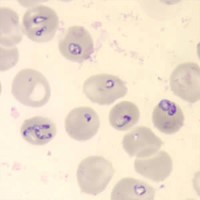
Could it be Babesia?

https://www.galaxydx.com/could-it-be-babesia/

Could it be Babesia?


Lyme Disease: Don’t Wait For Blood Tests Where Patients Have ‘Bullseye’ Rash

https://www.independent.co.uk/news/health/lyme-disease-rash-tick-bite-infection-antibiotics-gp-nice-bulls-eye-a8774511.html  (News Story in Link)

Alex Matthews-King Health Correspondent

11 Feb 2019

Lyme Disease:  Doctors Told Don’t Wait For Blood Tests Where Patients Have ‘Bullseye’ Rash

Doctors have been told to diagnose Lyme disease without waiting for blood test results if patients have the characteristic “bull’s eye” rash.

Blood tests for the tick-borne infections may miss the condition in the early weeks, according to new draft guidance published by the National Institute for Health and Care Excellence (Nice).

This could reduce the chances of a full recovery, the NHS treatment watchdog said. As a result, it said patients should be offered antibiotics where they show the characteristic ringed rash, known as erythema migrans.

The bull’s eye rash appears in around two thirds of cases usually within a month of a bite from an infected tick.

“For most people with Lyme disease, a course of antibiotics will be effective, so it is important we diagnose and treat people as soon as possible,” Professor Gillian Leng, director of health and social care at Nice, said. “A person with Lyme disease may present with a wide range of symptoms, so we have clear advice for professionals about the use of lab tests for diagnosis and the most appropriate antibiotic treatments.”

Tests can check for antibodies in the blood, however these may not appear until up to eight weeks after the patient is bitten.

It is hoped the new draft guidance will increase the number of early diagnoses and allow patients to receive treatment immediately, reducing the risk of further symptoms developing.

When there is no rash present and symptoms are unclear, doctors will be advised to carry out blood tests.

Professor Saul Faust, chairman of the guideline committee, said:

“Lab tests are necessary when a person’s symptoms are unclear, but they are not needed if a person presents the characteristic red rash, erythema migransDoctors should feel confident to prescribe antibiotics immediately for those with erythema migrans.”

Veronica Hughes, chief executive of Caudwell LymeCo, a UK charity for patients with Lyme disease, said:

Waiting for blood test results always delays treatment. When a patient has the rash, this delay is unnecessary and reduces the likelihood of total cure.”

Additional reporting by Press Association

____________________

**Comment**

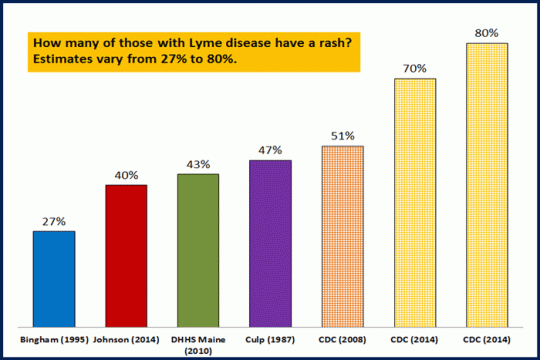
EM rash = Lyme.  Period.  The sad thing is many do not present with the classic EM rash, if they have a rash at all.  The statement that two thirds present with the rash is objectionable.  This article states the percentage varies from 27-80%, hardly a set number.  https://www.lymedisease.org/lymepolicywonk-how-many-of-those-with-lyme-disease-have-the-rash-estimates-range-from-27-80-2/  (Table from this link)

Rashes-larger-blog

Please notice that the CDC has much higher percentages.  Why?  They are using the surveillance definition for recording Lyme cases.  This will naturally skew percentages towards rash reporting.  It won’t include the thousands upon thousands that don’t notice or have the rash.  Even the CDC with it’s stringent criteria report the percentages vary widely depending upon the state.

Also, rashes vary widely.  Clinical diagnosis must consider any skin rash, regardless of its resemblance to the bull’s-eye.   

“Researchers note that multiple textbooks and websites prominently feature the bull’s-eye image as a visual representation of Lyme disease.” They write, “This emphasis on target-like lesions may have inadvertently contributed to an underappreciation for atypical skin lesions caused by Lyme disease.Some Visible Signs of Lyme Disease Are Easily Missed or Mistaken, Science Daily, Apr 22, 2013 https://www.sciencedaily.com/releases/2013/04/130422132507.htm?utm_source=feedburner&utm_medium=email&utm_campaign=Feed%3A+sciencedaily%2Fhealth_medicine%2Flyme_disease+%28ScienceDaily%3A+Health+%26+Medicine+News+–+Lyme+Disease%29

Good news:  you have a perfect EM rash you get treatment.  Bad news:  those with an atypical rash and those without a rash are hung out to dry.