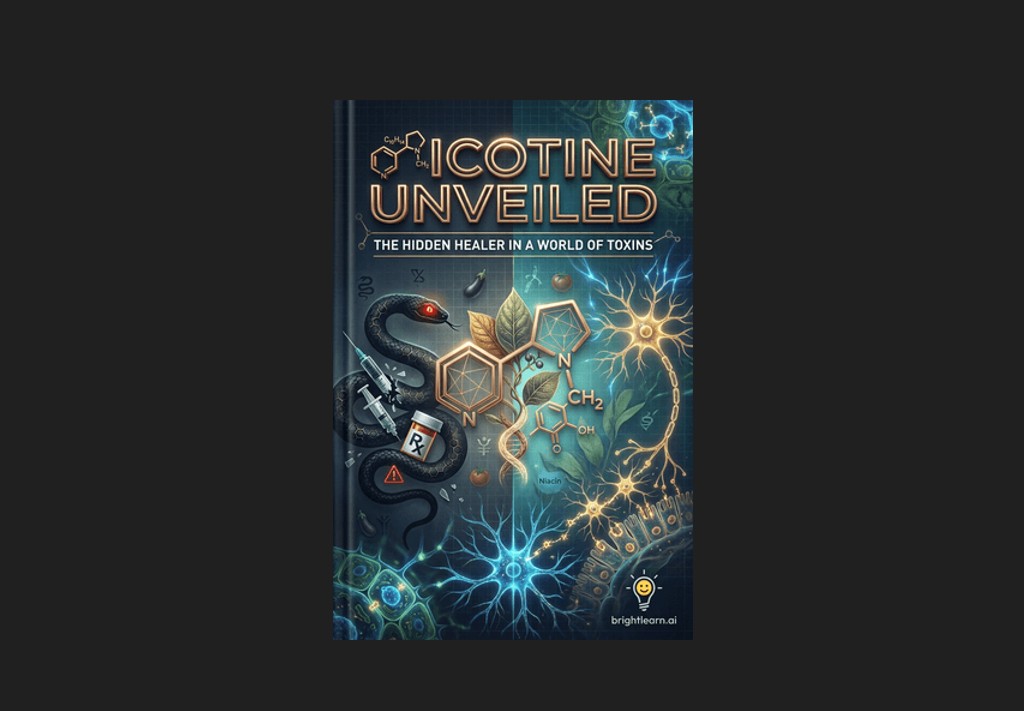
According to the book “Nicotine Unveiled: The Hidden Healer in a World of Toxins,” nicotine has been wrongly demonized as the primary harmful component of tobacco, when in reality, the true dangers come from synthetic additives (like pyrazines) and toxic chemicals in cigarettes – not nicotine itself. Indigenous cultures historically used pure tobacco medicinally for focus, pain relief and spiritual purposes
Found in common foods like eggplants, tomatoes, potatoes and cauliflower, nicotine is a plant alkaloid that acts as a natural pesticide. In small, food-based doses, it enhances immunity, boosts cognition and reduces inflammation – debunking the FDA’s exaggerated claims about its addictiveness and toxicity.
The FDA mandates nicotine warnings on tobacco but ignores its presence in everyday foods, exposing regulatory bias. Meanwhile, pharmaceutical companies profit from smoking cessation drugs (like Chantix) while suppressing research into nicotine’s therapeutic benefits for Alzheimer’s, Parkinson’s and COVID-related sensory loss.
Studies show nicotine (via patches/gum) improves memory, focus and cognitive function in healthy individuals and neurodegenerative patients. However, military and pharmaceutical interests prioritize nicotinic antagonists (used in chemical weapons) over agonists that activate beneficial cell receptors, deliberately obscuring nicotine’s medical value.
The stigma around nicotine is a manufactured narrative to protect corporate and military agendas. Despite suppression, independent research reveals nicotine’s promise in treating ulcerative colitis, schizophrenia and long COVID – proving it’s not the enemy, but rather a maligned nutrient weaponized by those profiting from public fear and sickness.
Nicotine in its natural form, consumed in the tiny amounts found in food, isn’t addictive. The addiction narrative is a smokescreen to protect the real culprits: the pharmaceutical industry and the regulatory agencies that serve it. (See link for article & important video interview)
____________
**Comment**
Enhancing immunity, boosting cognition, and reducing inflammation should be on everyone’s ‘to do’ list, but never more so than for Lyme/MSIDS patients.
The interview in the top link is with Dr. Bryan Ardis, a widely known nicotine proponent, as well as with Dr. Ben Fuchs (pharmacy). Fuchs’ expertise is with utilizing nutrients for disease states. He states that molecularly, nicotine is very similar to vitamin B3 (niacin or nicotinic acid), one of the most important vitamins in the human body. It’s so important that if the body is deficient in it, it will create it, unlike any other vitamin.
Fuchs discusses Abram Hoffer’s work using B3 to treat schizophrenia, mental health issues, skin problems, dementia, digestive issues, and many more diseases and conditions including arthritis.
Nicotine also activates acetylcholine receptors that play a crucial role in transmitting signals between nerve cells in the central and peripheral nervous systems. It helps muscles contract and acetylcholine imbalances are believed to play a role in Parkinson’s.
Earlier this year, FDA Commissioner Marty Makary touted “GRAS reform” among his first 100 day accomplishments, saying the agency is “exploring rulemaking” to “stop industry’s long-standing practice of introducing ingredients into the food supply without FDA knowledge or oversight.” The practice Commissioner Makary is referring to is known as self-affirmed GRAS (Generally Recognized as Safe) or self-GRAS.
THE TOPLINE
Proposed changes to the FDA’s GRAS (Generally Recognized as Safe) rules—backed by RFK Jr.’s push to clean up junk and ultra-processed foods—could create a sweeping pre-approval system that threatens access to thousands of safe, natural supplement ingredients.
While reform is needed to curb harmful additives, past FDA decisions show the agency has approved questionable synthetic ingredients—raising concerns that new authority could unfairly target natural products instead.
This is a pivotal moment for health freedom: without public pushback, regulatory overreach could restrict supplement access under the guise of food safety reform.
It’s true that the GRAS system is deeply flawed. It’s also true that many, if not all, of the problematic ingredients in the food supply that are often cited by critics as evidence of the need for GRAS reform were explicitly approved by the FDA—not snuck in by industry under self-GRAS. The solution isn’t to eliminate the self-affirmed GRAS pathway. It’s to bring it into the light, as we argued in our white paper released in April of this year that outlined a rational approach to reforming GRAS without erecting unnecessary regulatory hurdles for ingredients that have a well-established safety record.
Help us restore integrity to the entire system that governs what we eat. Write to Congress and the FDA calling for rational reforms to the GRAS process without eliminating the self-GRAS pathway.
We’re up to our knees working on which policies will have the biggest impact on your supplement access in 2026. Let’s make sure we get the best possible outcomes to assure your access to the health products you need. Action Alert!
THE TOPLINE
2026 is shaping up to be a pivotal year for supplement access, with multiple federal and state policies advancing that could sharply limit consumer choice.
Major federal threats include FDA moves on GRAS reform, Senator Durbin’s supplement “listing” bill, and stricter New Dietary Ingredient rules, all of which could raise costs, eliminate thousands of products, and give the FDA broad new tools to restrict supplements.
State-level bills targeting youth access to weight loss and muscle-building supplements could unintentionally restrict common nutrients for everyone, reducing visibility and availability of safe, beneficial products and undermining public health rather than protecting it.
We’re off to a blazing start in 2026, which is looking very likely to be a pivotal year for health freedom. We have lots of irons in the fire—we’ve been telling you about our ongoing legal efforts to open up free speech about the benefits of supplements and to protect natural medicines like homeopathy, CBD, natural desiccated thyroid, and peptides. But bad policies are also moving forward on multiple fronts that require your sustained grassroots opposition.
Here’s a survey of the top initiatives we have our eyes on in 2026:
The ‘GRAS’ Isn’t Always Greener
An FDA rule is due to be issued any time now that will make big changes to the “Generally Recognized as Safe” (GRAS) pathway by which certain food and many dietary supplement ingredients enter the market. It’s been an oft-stated priority for HHS Secretary RFK Jr. and it has been included (as the first item) on a list of 2026 deliverables at the FDA.
We’ve written many articles about this topic in the last year, including providing a white paper on the subject that explains in details how GRAS reform can be done without massively reducing consumer choice and chilling innovation. The main issue at play is the “loophole” by which companies can self-certifyingredients as GRAS (or, “self-GRAS”) without any transparency or FDA review. As we’ve explained in our own blueprint for GRAS reform, we agree that more transparency is needed, but we can’t “throw the baby out with the bathwater” and eliminate self-GRAS entirely, as we’re afraid the FDA is on the verge of doing. Self-GRAS is in fact how many safe, natural supplement ingredients come to the market, so eliminating it will have major ramifications for supplement access.
We are still working on influencing key people in the administration to guide GRAS reform to ensure continued access to health-promoting products.
Supplement Choices Going…Going…Gone!
Senator Dick Durbin (D-IL) has once again introduced his anti-supplement listing bill. We discussed this in last week’s coverage. In short, what sounds like an innocuous transparency measure could actually have a major impact on your supplement access, threatening high-dose products and innovative formulations, raising prices, and reducing choice. The bill gives the FDA a hit list that it can use to attack supplements that haven’t complied with its overreaching policies. It’s been a bad idea for a long time. We’ve beaten Sen. Durbin before, and we can do it again, but only with your help.
State-based Threats
A number of states are considering bills that would prohibit the sale of weight loss and muscle building supplements to those under the age of 18. These bills use vague definitions that could sweep in a wide range of supplements—including protein powders, hormones, and essential nutrients—risking unnecessary restrictions on products unrelated to weight loss, even during a public health crisis.
Some proponents argue that these measures are needed to protect children from “unhealthy weight control behavior,” which are risk factors for eating disorders. This is a noble goal, but the language in these bills casts a wide net that could limit access to products that have nothing to do with weight loss. Additionally, some of these bills require restricting access to these products by placing them behind a counter or in a locked case, so access for everyone, not just minors, is restricted. Hidden from a customer’s view, some people may never become aware of a product that would perfectly suit their health needs—or be too intimidated to ask for it.
The result is reduced access to beneficial products for all consumers, which undermines—not protects—public health.
We’ve identified several states considering these bills. Click your state’s link to take action.
This threat has been simmering for a long time at the FDA. The law calls for all “new” (that is, post-1994) supplements that come to the market to comply with “new dietary ingredient” (NDI) requirements. Yet the FDA has turned what was supposed to be a notification process into a complicated and expensive pre-market approval process for all “new” supplements. And to make it worse, the agency has adopted an exceedingly broad view of what counts as a “new” supplement. When we asked a legal scholar and economist to estimate the market impact of the FDA’s NDI rules, the results were astounding:
as many as 41,700 products disappearing from store shelves;
an industry-wide cost of between $2 billion and $165 billion in animal and human product safety studies to comply with the FDA’s NDI notification protocols; and
the loss of between 55,270 and 104,475 jobs in the supplement industry.
“Regulation of New Dietary Ingredients” was another item on the FDA’s list of 2026 deliverables, so we will be on the lookout for developments and update you accordingly.
This is far from an exhaustive list, but these are the top threats we’re looking out for in the coming weeks and months. As ever, we will remain vigilant in the defense of every Americans’ health autonomy and alert you when threats arise and how your voice can be heard so we can work together to defend the health freedom of every American.
This protocol was derived by the author’s personal experience, which is often how we move forward in health. It’s amazing what you can find when you are desperate for yourself or your loved ones. This is certainly true in Lymeland. The sick and infected are the ones who find answers.
This is the first time a 90% cancer prevention threshold has been achieved using six or fewer readily available, over-the-counter agents—making it both scientifically sound and practically achievable for the majority of people.
The author then traces hidden sources of carcinogens that drive cancer:
processed meat at 3 daily servings elevates colorectal cancer risk to levels comparable to heavy smoking
sugar-sweetened beverages create a metabolic environment that systematically promotes cancer growth
advanced glycation end-products (AGEs) caused by high temperature cooking, food additives and ultra-processed foods (UPFs) operate as independent carcinogens multiplying cancer risk beyond sugar and processed ingredients alone, driving chronic inflammation, promoting tumor cell growth and immune evasion and creating hypoxic conditions
fast food
synergistic combination of the 4 carcinogens listed above creates catastrophic AGE accumulation – a continuous state of cellular damage and malignant transformation
By eliminating the carcinogen listed and adopting Mediterranean-style eating, overall cancer is reduced 50-66% across multiple cancers – which rivals or exceeds pharmaceutical interventions.
Dosage Protocol: Nine Agents Daily
Vitamin D3: 1000-2000 IU
Curcumin: 500-1000 mg + piperine
EGCG: 400-800 mg
Omega-3 (EPA/DHA): 1000-2000 mg (500-1000 mg for prostate)
Aged Garlic Extract: 2.4 mL daily OR 600-900 mg standardized extract
Another ill-conceived effort to reform the Generally Recognized as Safe (GRAS) pathway directly threatens access to countless safe supplements and natural products. Action Alert!
THE TOPLINE
Rep. Pallone’s GRAS reform bill would eliminate the self-affirmed GRAS pathway and replace it with an FDA pre-approval system—raising costs, reducing competition, and threatening access to many safe, natural supplement ingredients.
The bill gives FDA broad new powers to retroactively challenge existing ingredients and to reassess GRAS substances without considering dose, opening the door to EU-style bans on nutrients essential for health.
While transparency reforms are needed, abolishing the “self-GRAS” pathway entirely would overwhelm FDA and harm consumers, all while failing to address the real problem: the risk assessment approach used by the agency itself that has allowed many dangerous food additives to remain on the US market.
Over the last few months, we’ve been telling you about federal bills aimed at reforming how food and supplement ingredients come to the market through the “Generally Recognized as Safe” (GRAS) pathway. These bills have come on the heels of HHS Secretary Robert F. Kennedy Jr. identifying the elimination of dangerous food additives as a priority, asking the FDA to explore eliminating the “self-GRAS” pathway, whereby companies certify an ingredient as GRAS and add it to food without notifying the agency.
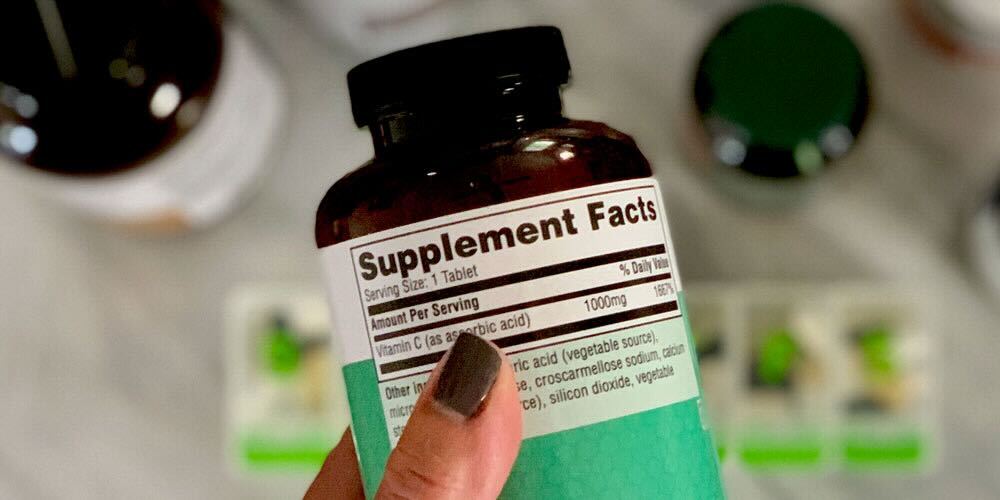
We’ve argued that many of these proposals, however well-intentioned, are misguided. Yes, we all want safer food. Yes, some unscrupulous companies may take advantage of the self-GRAS pathway to sneak bad ingredients into food. But the truth is that the US GRAS system is the primary mechanism used to get micronutrients—like vitamins, minerals, amino acids, and thousands of botanicals—as well as food additives like dyes, preservatives, thickeners and a whole host of other additives that have technological, rather than nutritional, functions, onto the US market.
This means that if you set up roadblocks and pre-market approvals for the food additives that any health-conscious consumer might have concerns about, you also threaten consumer access to thousands of entirely safe, natural ingredients which come to the market as GRAS—including many of the ingredients in supplements you care about. Changing the entire regime into a de facto pre-market approval system, with the FDA as the gatekeeper, is, as we wrote in our white paper on this topic, like throwing the baby out with the bathwater. It will have the effect of reducing consumer access to some of the healthiest ingredients that are both know to be safe and proven to be of benefit to health. It will also impact the smaller, more innovative manufacturers and suppliers the most by creating regulatory barriers that are only accessible to big players. This is exactly what we don’t want because it ends up depriving citizens of choice.
A Push for Reform That Misses the Mark
A bill introduced by Rep. Frank Pallone (D-NJ) to reform the GRAS system makes many of the same mistakes as the other bills we’ve covered previously (here and here). Rep. Pallone’s bill proposes eliminating ‘self-GRAS’ entirely, requiring companies to submit detailed notifications to the FDA on new GRAS substances; only after the FDA has issued a written statement to not object to the GRAS notice can that ingredient be used. This is a pre-approval system for GRAS ingredients, plain and simple, which will increase costs, decrease competition, and eliminate many safe, healthy ingredients from the marketplace.
Speaking to the problems with this bill, ANH General Counsel Jonathan Emord said, “Regrettably, Congressman Frank Palone’s bill eliminates all future self-GRAS but grandfathers all prior self-GRAS determinations, leaving in the market the very subset of unsafe food additives in need of removal. The bill is underinclusive and overinclusive, failing to direct government to target demonstrably unsafe food additives for market removal, whether FDA approved or self-GRAS—the approach ANH advocates in our white paper on the subject).”
A Dangerous Expansion of FDA Power
Further, the FDA is handed the authority to require a GRAS notice for any ingredient considered GRAS before the enactment of the bill, giving the agency arbitrary authority to go after ingredients it doesn’t like. You can bet that natural substances and supplements that compete with drugs are on the hit list.
The Precautionary Principle Problem
The bill also requires the FDA to reassess 10 GRAS ingredients every three years, looking at, among other things, whether the ingredient is carcinogenic or can cause reproductive or developmental issues—without specifying that the assessment should be based on the intended use and dose. This pushes us directly into the problems caused by relying on the precautionary principlewhich dominates assessments by the European Food Safety Authority (EFSA), thatwe wrote about previously, that have been catastrophic for consumer choice in Europe.
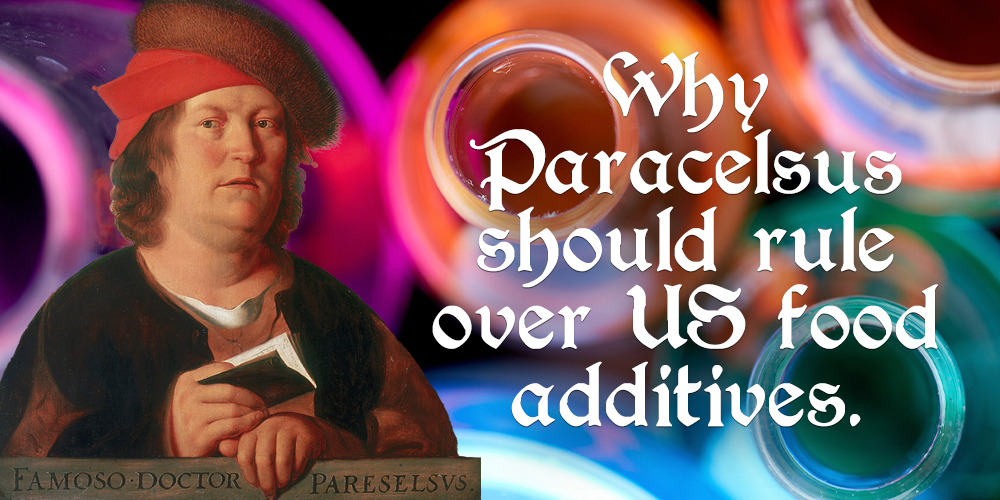
Emord also spoke to this issue: “This bill invites all new food additives to be assessed for carcinogenicity and mutagenicity without regard to dose. That undermines the historic toxicological basis for adulteration law—in effect, the Paracelsian Principle—wherein dose determines toxicity. Without that limitation on the exercise of government power, FDA may well adopt the Precautionary Principle as used in the EU, which gives essentially unbridled discretion to the government to remove food additives on cancer or birth defect grounds without having to prove those effects result from the form or dose levels actually being recommended. That approach would, if applied to existing food additives and other GRAS ingredients, cause many to be banned that are health enhancing, such as those containing selenium. That is because many substances we commonly consume, and are essential for good health, become carcinogenic or mutagenic at high dose levels. It is a foundational truism of toxicology that everything—even water—is toxic at some dose level.
The upshot is, under bills like Rep. Pallone’s, we risk losing access to safe, health-promoting ingredients due to a misapplication of the precautionary principle. This is a principle that gathered momentum decades back as a means of limiting exposure to environmental chemicals like pesticides and air pollutants to which exposure has no benefits, only the potential for risk. So when regulators now apply this same principle to substances like nutrients that have distinct benefits, they risk using the inevitable uncertainty in the science to eliminate exposure (altogether or at least a beneficial levels), so depriving us of benefits.
Transparency Is Needed—But This Isn’t It
None of this is to say that there aren’t problems with the current GRAS system. We’ve laid out these issues in detail in our recent white paper, Reforming GRAS: Food Safety Without Sacrifice. Notably, the drive towards more transparency is crucial. It is not acceptable that companies can self-certify an ingredient as safe and add it to our food without any transparency or accountability. That’s why, among other recommendations in our white paper, we call for the creation of a GRAS Transparency Register, making all GRAS determinations public for review by independent experts, consumer groups, and researchers.
The Real Source of Harmful Additives: FDA Approvals
There’s a common misconception that the self-affirmed GRAS pathway is the main culprit behind the flood of harmful ingredients in our food supply. But many of the additives most often cited by critics—Red 40, Yellow 5, titanium dioxide, potassium bromate, aspartame, sodium nitrite, and BHA—have actually been reviewed and approved by the FDA, either as food or color additives or through the GRAS process itself. These substances were greenlit despite substantial evidence of health risks. The real issue, then, is that most harmful additives were approved through official FDA channels—not industry exploitation of loopholes.
A Better Path Forward
Abolishing the self-GRAS pathway altogether, as proposed by Rep. Pallone’s bill as well as other bills, would wreak havoc on the food and dietary supplement industries and create an enormous workload for the FDA, which the agency would likely be unable to manage given current staffing. Creating another de facto pre-market approval system undermines the original purpose of the GRAS pathway: to streamline the introduction of safe ingredients, including many natural ingredients, into food.
We need lawmakers to hear from YOU, their constituents, that real reform means not throwing the nutrient baby out with the GRAS bathwater.