[Title modified on 11 April 2018 by Sharon Davies, The BMJ]
Last year’s influenza vaccine also contained the same H3N2 strain as this year’s vaccine (A/Hong Kong/4801/2014 (H3N2)-like virus). Many people would have developed long term IgE mediated sensitization to the H3N2 viral proteins due to last year’s vaccine [1–4]. Those who received the Flublok vaccine can be expected to have an even stronger IgE response due to its 3X viral protein content [5,4]. This year’s vaccine H3N2 proteins would have been neutralized by these IgE antibodies. Thus resulting in the observed low vaccine efficacy. [6]
When a person making anti-H3N2 IgE is infected with H3N2, one can expect the course of the flu to be significantly worse. So the “cytokine storm” being observed in severe cases is likely to be an infection concurrent with an allergic reaction. Death is caused by anaphylactic shock but due to the presence of an infection, it is wrongly classified as septic shock.
In the case of food allergy for example, the allergen exposure can be large enough to cause an immediate hypersensitivity reaction and anaphylactic shock within minutes/hours. In the case of influenza allergy, it may take a day or two for the virus to replicate and produce enough viral exposure for anaphylaxis. So the anaphylaxis unfolds over a couple of days.
“Self-reported vaccination for the current season was associated with a trend (P < 0.10) toward higher viral shedding in fine-aerosol samples; vaccination with both the current and previous year’s seasonal vaccines, however, was significantly associated with greater fine-aerosol shedding in unadjusted and adjusted models (P < 0.01). In adjusted models, we observed 6.3 (95% CI 1.9–21.5) times more aerosol shedding among cases with vaccination in the current and previous season compared with having no vaccination in those two seasons.” [7]
This result makes a lot of sense. When you have influenza virus allergy and are infected, you have more mast cell degranulation, more histamine, more mucus, more sneezing, more viral shedding.
Increased hospitalization rates have been observed in asthma patients that have received the influenza vaccine. Again, this is as predicted because asthma patients are likely to produce stronger IgE responses to the viral proteins upon vaccination. [8] On subsequent virus exposure, they can be expected to develop severe IgE mediated asthma.
Consider dengue infection. The initial mosquito bite that injects dengue virus into a person, causes the induction of IgE against dengue proteins. [9] Upon a subsequent bite that introduces the dengue virus again, the person develops hives due to a dengue specific-IgE mediated allergic reaction. As the infection (and thus allergic reaction) progresses and more histamine is released, vascular permeability increases. The result is hypotension and dengue shock syndrome. [10] Basically, a type 1 hypersensitivity reaction caused upon dengue virus exposure following IgE mediated sensitization to dengue viral proteins.
The route of exposure for natural influenza infection is the respiratory tract, not subcutaneous (SC) or intramuscular (IM) injection. Influenza vaccines artificially changed the route of initial viral protein exposure to SC or IM injection thus making it similar to the route of exposure for dengue.
The result is an IgE response to influenza proteins, similar to the response for dengue. It should therefore not come as a surprise that we are modifying the course of influenza infection such that it is acquiring characteristics of a dengue infection (hives and shock).
As a result, allergy medications such as antihistamines and anaphylaxis treatments may have to be considered to avoid or treat this man-made influenza shock syndrome.
References
1. Smith-Norowitz T a, Wong D, Kusonruksa M, Norowitz KB, Joks R, Durkin HG, et al. Long term persistence of IgE anti-influenza virus antibodies in pediatric and adult serum post vaccination with influenza virus vaccine. Int J Med Sci. 2011;8(3):239–44.
2. Davidsson A, Eriksson JC, Rudblad S, Brokstad KA. Influenza specific serum IgE is present in non-allergic subjects. Scand J Immunol. 2005 Dec;62(6):560–1.
3. Nakayama T, Kumagai T, Nishimura N, Ozaki T, Okafuji T, Suzuki E, et al. Seasonal split influenza vaccine induced IgE sensitization against influenza vaccine. Vaccine. 2015;
4. Arumugham V. Short sighted influenza control policy based on poorly designed vaccines will sicken more people [Internet]. Available from: https://www.zenodo.org/record/1038445
5. Corporation PS. Flublok Quadrivalent 2017-2018 [Internet]. 2018. Available from: https://www.fda.gov/downloads/BiologicsBloodVaccines/Vaccines/ApprovedPr…
6. McLean HQ, Thompson MG, Sundaram ME, Meece JK, McClure DL, Friedrich TC, et al. Impact of repeated vaccination on vaccine effectiveness against influenza A(H3N2) and B during 8 seasons. Clin Infect Dis. 2014;59(10):1375–85.
7. Yan J, Grantham M, Pantelic J, de Mesquita PJ, Albert B, Liu F, et al. Infectious virus in exhaled breath of symptomatic seasonal influenza cases from a college community. Adamson W, Beato-Arribas B, Bischoff W, Booth W, Cauchemez S, Ehrman S, et al., editors. Proc Natl Acad Sci. National Academy of Sciences; 2018;
8. Joshi AY, Iyer VN, Hartz MF, Patel AM, Li JT. Effectiveness of trivalent inactivated influenza vaccine in influenza-related hospitalization in children: a case-control study. Allergy asthma Proc. United States; 2012;33(2):e23–7.
9. Koraka P, Murgue B, Deparis X, Setiati TE, Suharti C, Van Gorp ECM, et al. Elevated levels of total and dengue virus-specific immunoglobulin E in patients with varying disease severity. J Med Virol. 2003;70(1):91–8.
10. Tuchinda M, Dhorranintra B, Tuchinda P. Histamine content in 24-hour urine in patients with dengue haemorrhagic fever. Southeast Asian J Trop Med Public Health. Thailand; 1977 Mar;8(1):80–3.
The CDC reported in February 2018 that between 2004/2005 and 2017/2018, the influenza vaccine was less than 50 percent effective in ten out of 14 flu seasons. In the 2014-2015 flu season, the influenza vaccine was only 19 percent effective.4
A 2018 Cochrane Collaboration published a review of medical literature on the effects of the influenza vaccination in the elderly and concluded that:
“The available evidence relating to complications is of poor quality, insufficient, or old and provides no clear guidance for public health regarding the safety, efficacy, or effectiveness of influenza vaccines for people aged 65 years or older.”9
The Cochrane review also concluded that recommendations for routine use of influenza vaccine as a routine public health measure was not supported by the published evidence base and stated,
“The results of this review provide no evidence for the utilisation of vaccination against influenza in healthy adults as a routine public health measure. As healthy adults have a low risk of complications due to respiratory disease, the use of the vaccine may only be advised as an individual protective measure.” 13
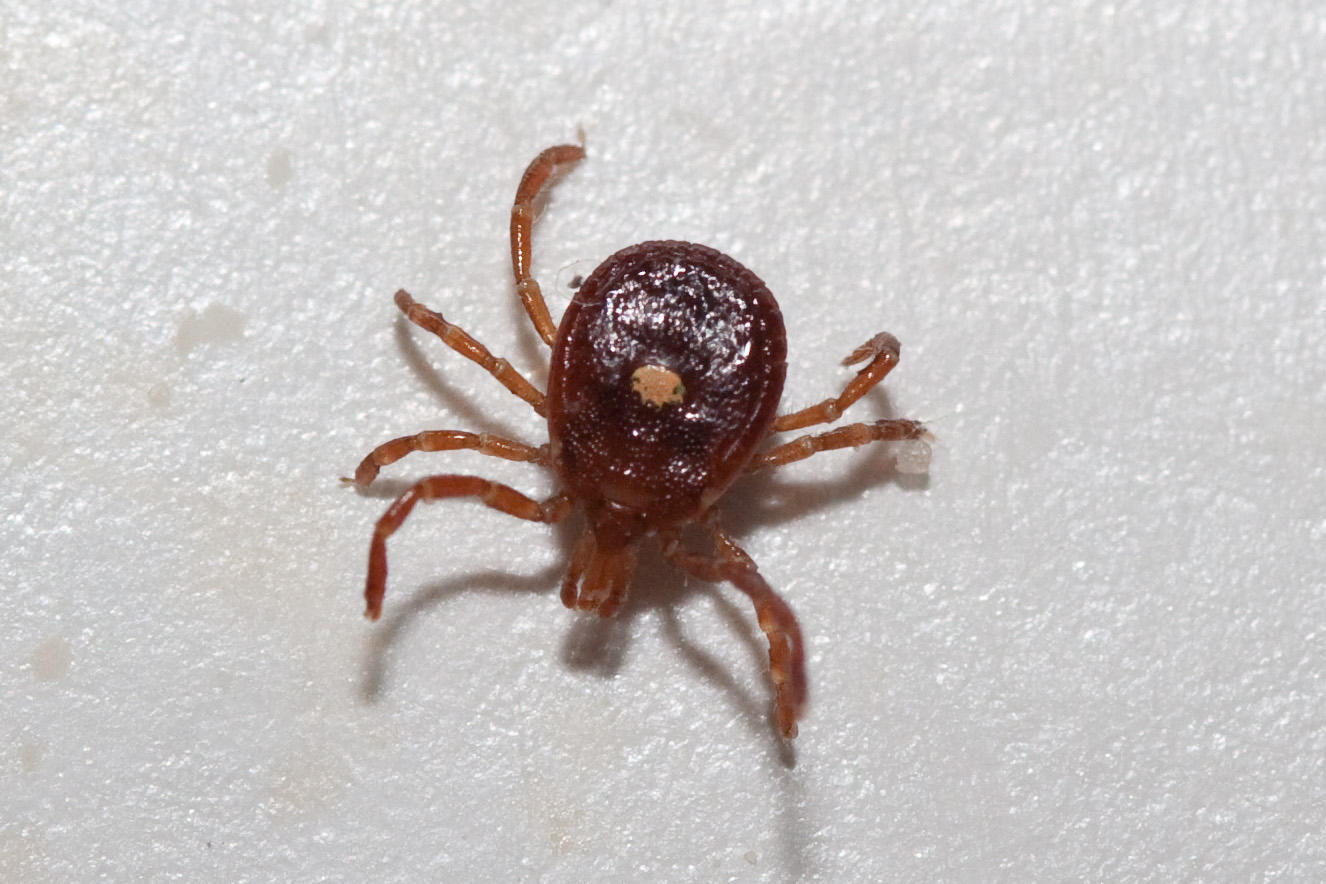
The biggest number of winter ticks that Peter J. Pekins ever found on a moose was about 100,000. But that moose calf was already dead, most likely the victim of anemia, which develops when that many ticks drain a moose’s blood. So it was probably a lowball estimate, because some of the ticks had already detached.
“It’s about as grody a picture as you can imagine on a dead animal,” said Dr. Pekins, a professor of natural resources and the environment at the University of New Hampshire. (A warning: The pictures below are, indeed, grody.)
The longer-lasting warmth gives the ticks a leg up as they glom onto the moose, their preferred hosts, in the fall. They then feed through winter and hop off in the spring to lay eggs.
Moose ticks at Maine Medical Center Research Institute. The ticks live on the moose through the winter, at first so small that they’re difficult to see with the naked eye — until they’re engorged with blood as adults. Credit Shawn Patrick Ouellette/Portland Press Herald via Getty Images
The moose-tracking exploits of Dr. Pekins and his colleagues were published last month in the Canadian Journal of Zoology. They argued that three consecutive years of tick outbreaks “arguably reflects a host-parasite relationship strongly influenced by climate change at the southern fringe of moose habitat.”
While large numbers of ticks, literal bloodsucking parasites, aren’t great for adult moose, they’re especially bad for moose calves, which can die from the onslaught.
With the help of a team that shoots nets from helicopters to catch and tag the calves with radio collars (a process that takes about 15 minutes for the moose and eschews the use of drugs), Dr. Pekins was able to track 179 moose calves. The average number of ticks he found on them was 47,371.
This moose calf was covered with more than 50,000 ticks when it died from extreme weight loss and acute anemia. Credit Henry Jones/Maine Department of Inland Fisheries and Wildlife
Advertisement
“Anything over 35,000 is trouble for a calf moose,” he said.
Over the study period, 125 calves died, 70 percent of those being tracked.
In some ways, the moose are a victim of their own success.
“Maine and New Hampshire had less than 50 moose in the 1970s,” Dr. Pekins said. But their numbers have multiplied many times over since then, thanks to improvements in the available habitat and a lack of predators like wolves.
As a result, Maine now has anywhere from 60,000 to 70,000 moose; New Hampshire had as many as 8,000 or 9,000 in the early 2000s, though the numbers now hover around 5,000. And it’s the abundance of moose that enables the ticks to survive.
“You need a lot of moose on the landscape to have a lot of parasites,” Dr. Pekins said. “That’s the host-parasite relationship.”
That relationship was more or less in balance until the changing climate tilted the scales in the ticks’ favor. Over the long term, Dr. Pekins doesn’t expect the moose to die off completely, but there will be fewer of them.
The ticks don’t want the moose to die off completely, either.
“The parasite doesn’t want to kill off its host — that’s bad evolution,” Dr. Pekins said. “Because the parasite loses the game.”
Kendra Pierre-Louis is a reporter on the climate team. Before joining The Times in 2017, she covered science and the environment for Popular Science. @kendrawrites
What does affect tick proliferation is migrating birds and photoperiod.
Black-legged ticks require 14 hours of daylight to molt. If ticks can’t molt, they can’t move on to their next life-cycle. Photoperiod is innate and can not be altered by the climate. He states:
“The hypothesis that I. scapularis ticks will expand further north in the Prairie Provinces because of climate change is not only unscientific, but deceiving.”
Please see link above for numerous reasons why the whole climate change issue is “apocryphal” according to Scott.
Scientists and legal scholars question the rationale for the use of insects to disperse infectious GE viruses engineered to edit the chromosomes in plants, warning that the technology could very easily be weaponized
A new DARPA program is the first to propose and fund the development of viral horizontal environmental genetic alteration agents with the capacity to perform genetic engineering in the environment
The $27 million project, called “Insect Allies,” is trying to take advantage of insects’ natural ability to spread crop diseases, but instead of carrying disease, they would spread plant-protective traits
The opinion paper “Agricultural Research, or a New Bioweapon System?” argues that if plant modification were really the ultimate goal, a far simpler and more targeted agricultural delivery system could be used
There are also serious concerns about environmental ramifications, as the insects’ spread cannot be controlled. It would also be impossible to prevent the insects from genetically modifying organic crops
Genetic engineering (GE) is being used in myriad ways these days, despite the fact we know very little about the long-term ramifications of such meddling in the natural order.
For example, the Defense Advanced Research Projects Agency (DARPA), an arm of the U.S. Department of Defense, is now planning to use insects to deliver GE viruses to crops, with the aim of altering the plant’s genetic traits in the field.
The $27 million DARPA project, called “Insect Allies,” is basically trying to take advantage of insects’ natural ability to spread crop diseases, but instead of carrying disease-causing genes, they would carry plant-protective traits. As explained by The Washington Post:1
“Recent advances in gene editing, including the relatively cheap and simple system known as CRISPR (for clustered regularly interspaced palindromic repeats), could potentially allow researchers to customize viruses to achieve a specific goal in the infected plant.
The engineered virus could switch on or off certain genes that, for example, control a plant’s growth rate, which could be useful during an unexpected, severe drought.”
Insect Allies Project Raises Concerns About Bioterror Use
However, scientists and legal scholars question the rationale for the use of insects to disperse infectious GE viruses engineered to edit the chromosomes in plants, warning that the technology could very easily be weaponized.2,3,4,5
The opinion paper6 “Agricultural Research, or a New Bioweapon System?” published October 4, 2018, in the journal Science questions DARPA’s Insect Allies project, saying it could be perceived as a threat by the international community, and that if plant modification were really the ultimate goal, a far simpler agricultural delivery system could be used.
Jason Delborne, associate professor at North Carolina State University, has expertise in genetic engineering and its consequences. He told Gizmodo:7
“The social, ethical, political and ecological implications of producing HEGAAs [horizontal environmental genetic alteration agents] are significant and worthy of the same level of attention as exploring the science underpinning the potential technology.
The authors argue persuasively that specifying insects as the preferred delivery mechanism for HEGAAs is poorly justified by visions of agricultural applications.
The infrastructure and expertise required for spraying agricultural fields — at least in the U.S. context — is well established, and this delivery mechanism would offer greater control over the potential spread of a HEGAA.”
The team has also created a website8 to accompany the paper, the stated aim of which is “to contribute toward fostering an informed and public debate about this type of technology.” On this site you can also find a link to download the 38-page DARPA work plan. DARPA, meanwhile, insists the project’s goal is strictly to protect the U.S. food supply. A DARPA spokesperson told The Independent:9
“[S]prayed treatments are impractical for introducing protective traits on a large scale and potentially infeasible if the spraying technology cannot access the necessary plant tissues with specificity, which is a known problem.
If Insect Allies succeeds, it will offer a highly specific, efficient, safe and readily deployed means of introducing transient protective traits into only the plants intended, with minimal infrastructure required.”
Scientists from the U.S. Department of Agriculture are also participating in the research, which is currently restricted to contained laboratories. Still, many are unconvinced by DARPA’s claims of peaceful aims.
The release of such insects could “play into longstanding fears among countries that enemies might try to harm their crops,” says Dr. David Relman, a former White House biodefense adviser and professor of medicine and microbiology at Stanford. According to The Associated Press (AP):10
“Guy Reeves, a coauthor of the Science paper and a biologist at the Max Planck Institute for Evolutionary Biology in Germany, says the technology is more feasible as a weapon — to kill plants — than as an agricultural tool. As a result, he said DARPA could be sending an alarming message regardless of its intentions.”
Unforeseen Ramifications Abound
Others are concerned about environmental ramifications, regardless of whether the genetic traits being delivered to the plants are perceived as beneficial or harmful. According to DARPA, none of the insects would be able to survive for more than two weeks, but what if such guarantees fail? What if nature finds a way? If so, the insects’ spread could be near-unlimited.
Gregory Kaebnick, an ethicist at the Hastings Center bioethics research institute in Garrison, New York, told the AP he’s concerned the project may end up causing unforeseen environmental destruction, as insects will be virtually impossible to eradicate once released. If it turns out the genetic modification traits they carry are harmful, there will be no going back.
Yet others, such as Fred Gould, an entomologist at North Carolina State University who chaired a National Academy of Sciences panel on genetically modified food, believe the project’s stated goal of altering genetic traits of plants via insects is near-impossible in the first place.
However, while the research is still in its initial phase, they already have proof of concept. In one test, an aphid infected a mature corn plant with a GE virus carrying a gene for fluorescence, creating a fluorescent corn plant.11
Open Scientific Debate Is Needed
Reeves questions why there’s been virtually no open scientific debate about the technology. According to Reeves, who is an expert on GE insects, the Insect Allies project is “largely unknown even in expert circles,” which in and of itself raises a red flag about its true intent.
He told The Independent, “It is very much easier to kill or sterilize a plant using gene editing than it is to make it herbicide- or insect-resistant.”12 Felix Beck, a lawyer at the University of Freiburg, added:13
“The quite obvious question of whether the viruses selected for development should or should not be capable of plant-to-plant transmission — and plant-to-insect-to-plant transmission — was not addressed in the DARPA work plan at all.”
How Horizontal Environmental Genetic Alteration Agents Work
As explained in the featured paper, the technology DARPA is using is known as horizontal environmental genetic alteration agents or HEGAAs. Essentially, HEGAAs are GE viruses capable of editing the chromosomes of a target species, be it a plant or an animal. The specificity of HEGAAs are dependent on:
The range of species the GE virus can infect
The presence of a specific DNA sequence in the chromosome that can then become infected
The image below illustrates how an insect-dispersed viral HEGAA would disrupt a specific plant gene. As noted on the team’s website:
“Interest in genetically modified viruses, including HEGAAs, largely stems from their rapid speed of action, as infections can sweep quickly through target populations. This same property is also a serious safety concern, in that it makes it hard to predict where viruses geographically disperse to or what species they eventually infect.
Probably due to the complex regulatory, biological, economic and societal implications that need to be considered little progress has been made on how genetically modified viruses should be regulated when the intention is to disperse them in the environment. It is in this context that DARPA presented its Insect Allies work program in November 2016.”
The team also notes the use of HEGAAs are ultimately not likely to be limited to agriculture, which is why it’s so important to have an open discussion about the technology, its potential uses, misuses and ramifications — including unintended ones.
In 2018, three scientific publications discussed the development of “transmissible vaccines,” i.e., vaccines that would be transmissible between humans and therefore would no longer require individual vaccinations. Such products would also remove any possibility of informed consent, which creates a really huge ethical dilemma. In the past decade, at least seven scientific papers have focused on transmissible vaccines.
The team also brings up the obvious point that insects will not be able to distinguish between conventional crops and certifiedorganic crops, which do not permit genetic engineering.Just how are organic farmers to keep these insect vectors from altering their crops? They can’t, and this could effectively destroy the organic industry as we know it.
DARPA Technology May Violate Biological Weapons Convention
According to DARPA, the technology does not violate the United Nations (U.N.) Biological Weapons Convention. However, according to the Science paper, it could be in breach of the U.N.’s convention if the research is unjustifiable. Silja Voeneky, a specialist in international law at Freiburg University, told The Independent:14
“Because of the broad ban of the Biological Weapons Convention, any biological research of concern must be plausibly justified as serving peaceful purposes. The Insect Allies Program could be seen to violate the Biological Weapons Convention, if the motivations presented by DARPA are not plausible. This is particularly true considering this kind of technology could easily be used for biological warfare.”
The Science team also call for greater transparency from DARPA in order to discourage other countries from following suit and developing similar delivery technologies as a defensive measure.
Gene Drive Technology Needs International Governance
In related news, Simon Terry, executive director of the Sustainability Council of New Zealand, is calling for gene drive technology to be brought under international governance,15,16,17 as this kind of technology can make an entire species infertile in a relatively short amount of time, depending on the species life cycle.
Gene drive is yet another application forCRISPR. In short, it’s a genetic engineering technology that allows you to propagate a specific set of genes throughout an entire population, including its offspring, which allows you to genetically alter the future of an entire species. Gene drive has been proposed as a means to control pests, including mosquitoes and possum.
However, there’s no known way to control it. As an example, while New Zealand would like to use gene drive to eradicate possums, it would be virtually impossible to prevent the spread of the gene drive to other areas, and in Australia, the possum is a protected species.
Gene drive has also been considered as an answer for barnyard grass, a pesky weed among Australian farmers, but a prized commodity in India. Likewise, Palmer Amaranth is considered a weed in the U.S. but an important food source in Central America, Africa, India and China. As noted by Terry, “One man’s pest could be another’s desired plant or animal,” and creating national regulations for a technology that can wipe out an entire species globally simply isn’t enough.
Should We Use Technology That Can Eradicate Entire Species?
In a 2016 report,18 the Institute of Science in Society (ISIS) discussed the creation of transgenic mosquitoes, carrying genes against a malarial pathogen. Using CRISPR/Cas9, a gene drive was created that makes virtually all progeny of the male transgenic mosquitoes’ carriers of this antimalaria gene. However, the transgene was found to be unstable in female mosquitoes, and key safety issues were also raised, including:
To what extent might crossbreeding or horizontal gene transfer allow a drive to move beyond target populations?
For how long might horizontal gene transfer allow a drive to move beyond target populations?
Is it possible for a gene drive to evolve to regain drive capabilities in a nontarget population?
According to ISIS, answering these questions is “crucial in the light of the instability of the gene drive in transgenic female mosquitoes.” As noted in the report:
“When these females bite animals including humans, there is indeed the possibility of horizontal gene transfer of parts, or the entire gene-drive construct, with potentially serious effects on animal and human health.
Cas9 nuclease could insert randomly or otherwise into the host genome, causing insertion mutagenesis that could trigger cancer or activate dominant viruses …
Finally, the ecological risks of gene drives are enormous … As the gene drive can in principle lead to the extinction of a species, this could involve the species in its native habitat as well as where it is considered invasive. As distinct from conventional biological control, which can be applied locally, there is no way to control gene flow …
[B]ecause the CRISPR/Cas gene drive remains fully functional in the mutated strain after it is created, the chance of off-target mutations also remain and the likelihood increases with every generation.
‘If there is any risk of gene flow between the target species and other species, then there is also a risk that the modified sequence could be transferred and the adverse trait manifested in nontarget organisms.’ (This commentary has not even begun to consider horizontal gene flow, which would multiply the risks manyfold.)”
DARPA Brushes Off Concerns
James Stack, a plant pathologist at Kansas State University and a member on the advisory panel of DARPA’s Insect Allies project, believes the concerns raised in the Science paper are unfounded. He told The Washington Post:19
“I don’t understand the level of concern raised in this paper, and to jump ahead and accuse DARPA of using this as a screen to develop biological weapons is outrageous.
There’s risk inherent in life and you just have to manage it well. And I think as we move into a more crowded planet it’s going to put increasing demands on our food systems, our water systems. We’re going to need all the tools in the tool box that we possibly have.”
Unfortunately, recent history demonstrates we’ve not been very capable of managing these kinds of man-made risks very well at all. Just look at Roundup-resistant GMO food, for example, or electromagnetic field radiation from cellphones and wireless technologies, both of which have been shown to cause significant health and environmental problems since their inception.
There’s virtually no evidence to suggest mankind is very good at predicting the potential outcomes of our technological advancements, so unleashing gene-altering technologies that cannot be recalled or reversed seems foolish in the extreme. As mentioned, the Insect Allies project may be particularly detrimental for organic and biodynamic farming, as it would be completely impossible to prevent these gene-altering insect vectors from infecting organic crops.
Let’s face it: We’re surrounded by threats, some of them unseen, that are putting us at risk of ill health. GMOs. Processed foods. EMFs. And that’s just the tip of the iceberg. It’s at this time that most people seek guidance to help guard against these perils and secure their well-being. Oftentimes, it seems like an impossible feat.
But here’s a secret: The most complex of tasks can become easier and simpler if you take them one step at a time. If you’re truly committed to take control of your health, then my 30-Day Resolution Guide is exactly what you need. This step-by-step plan outlines the most important strategies for achieving optimal wellness, which include:
The healthiest foods to eat (and when to eat them)
The importance of high-quality sleep (and how to get enough)
An innovative HIIT exercise that boosts your mitochondrial health (it only takes 4 minutes!)
__________________
**Comment**
I’ve been writing about this for some time and am very concerned about the law of unintended consequences with this technology. Please share this information far and wide because if we don’t, we could find ourselves precisely in the same situation we are in with vaccines (little to no safety studies and serious health ramifications – more coming out daily).
Besides crops, mosquitos, & possums, work is being done on both mice and mosquitoes in efforts of eradicating Lyme/MSIDS. For that info:
https://madisonarealymesupportgroup.com/2018/10/11/new-england-scientists-explore-new-method-for-eradicating-lyme-disease/ “There are a lot of microbes in ticks, not just the Borrelia microbe that is associated with Lyme disease,” said Dr. Rawls, medical director for Vital Plan, an herbal supplement company. “The problem with the mouse thing is that even if it is successful, and you block the transmission of Borrelia and prevent the spread of that variety of Lyme disease, perhaps that opens the door to something worse, like Rickettsia, (a microbe associated with the spread of Rocky Mountain Spotted Fever).”
How important are mice anyway? Independent Canadian tick researcher, John Scott, has shown established populations of deer ticks in Manitoba as well as in insular, hyper-endemic Corkscrew Island, yet both are devoid of white-footed mice. He points out that there are numerous reservoir hosts that must be considered including other mammals, birds, and reptiles. https://madisonarealymesupportgroup.com/2018/08/13/study-shows-lyme-not-propelled-by-climate-change/
Numerous studies show unexpected insertions and deletions which can translate into possible toxins, allergens, carcinogens, and other changes. Science can not predict the real-life consequences on global pattens of gene function.
“It means for all the new inventions … you would need to go through the lengthy approval process of the European Union,” Kai Purnhagen, an expert at Wageningen University in the Netherlands, told Nature.
A project to track ticks in Indiana hosted student scientists at Purdue University last week. The students have been involved in the statewide collection of ticks to better understand what diseases they carry.
Purdue University entomology professor Catherine Hill leads the project. She says a better understanding of what else is inside a tick influences diagnosis and treatment.
“We always think about one tick bite, one pathogen, one disease and that’s not really the case,” says Hill.
The Tick INsider project was created because so many Hoosiers reported difficulty getting an accurate right diagnosis.
“What we’re beginning to understand is that ticks are filled with lots of different bacteria and probably some parasites and protozoa and viruses,” says Hill.
These factors are influenced by what animal the tick feeds on.
The students visited the Purdue labs to learn about how the analysis works.
Hill says students are drawn to this opportunity because of the intersection of environment, entomology and health. Another class of student scientists will be recruited next year.
Nine different diseases have been identified in ticks in Indiana including Rocky Mountain spotted fever and Lyme disease.
One thing is for sure, the idea of numerous pathogens working symbiotically is not even on The Cabal’s radar. No research exists.No treatments are offered – just a “one-size fit’s all” 21 days of doxy to “cure” you of this complex monster, which if you ponder that for just 1 solitary second would be a joke if it wasn’t so deadly.
Importance: Controversies about the choice of antibiotic agent and treatment modality exist in the management of erythema migrans in early cutaneous Lyme borreliosis (LB).
Objective: To conduct a network meta-analysis (NMA) of all randomized clinical trials on various antibiotic agents and treatment modalities in early cutaneous LB.
Data Sources: Electronic searches in MEDLINE, Embase, and the Cochrane Central Register of Controlled Trials were conducted from inception until July 2017. The reference lists of the included studies were hand searched, authors were contacted, and ongoing trials were searched at ClinicalTrials.gov.
Study Selection: One reviewer screened the titles and abstracts of the 9975 reports identified by the electronic searches. Full-text copies of 161 potentially relevant articles were obtained, and 2 reviewers independently assessed those articles for inclusion. Adults with a physician-confirmed early localized skin infection who were treated with antibiotics of any dose or duration were included.
Data Extraction and Synthesis: Two reviewers independently extracted data on study, patient, and intervention characteristics. Network meta-analyses on treatment effects and adverse outcomes were calculated with a frequentist approach using the R package netmeta. The Grading of Recommendations Assessment, Development and Evaluation guidance for NMA was used to assess the certainty of evidence.
Main Outcomes and Measures: Treatment effects for response to treatment (resolution of symptoms) and treatment-related adverse events.
Results: Overall, 19 studies (2532 patients) were included. The mean patient age ranged between 37 and 56 years, and the percentage of female patients ranged from 36% to 60%. The antibiotics investigated were doxycycline, cefuroxime axetil, ceftriaxone, amoxicillin, azithromycin, penicillin V, and minocycline. Pooled effect sizes from NMAs did not suggest any significant differences in treatment response by antibiotic agent (eg, amoxicillin vs doxycycline odds ratio, 1.26; 95% CI, 0.41-3.87), dose, or duration (eg, doxycycline, 200 mg/d for 3 weeks, vs doxycycline, 200 mg/d for 2 weeks, odds ratio, 1.28; 95% CI, 0.49-3.34). Treatment failures were rare at both 2 months (4%; 95% CI, 2%-5%) and 12 months (2%, 95% CI, 1%-3%) after treatment initiation. There were also no differences in the effect sizes among antibiotic agents and treatment modalities for treatment-related adverse outcomes, which were generally mild to moderate.
Certainty of evidence was categorized as low and very low mostly because of imprecision, indirectness, and study limitations (high risk of bias) of the included studies.
Conclusions and Relevance: This NMA suggests that neither the antibiotic agent nor treatment modality contributed to comparative effectiveness or drug-related adverse outcomes. This finding is relevant for physicians treating patients with LB and for patient decision making.
________________
**Comment**
This meta-analysis demonstrates that early detection and treatment for LD is IMPERATIVE.
Misses up to 60% of acute cases(Rosenfeld , Wang, Schwartz, Wormser, 2005)
Can not differentiate between active infection and previous exposure
Does not detect other Borrelia species including B. miyamotoi, which causes Lyme-like symptoms
Requires subjective interpretation of results, leading to significant variability across and even within laboratories
So there’s a problem Houston even getting through the initial gate. Many, many people are not even making the criteria to be diagnosed in the first place.
Then, the “management of erythema migrans in early cutaneous Lyme borreliosis (LB),” is a poor marker of effective treatment, particularly since many never remember a tick bite or see the bullseye rash. https://www.bayarealyme.org/blog/lyme-disease-bullseye-rash/ This informative article shows pictures of varying rashes as well as the fact while the CDC states 70% may exhibit the erythema migrans, it can vary by region. A 2010 study showed that in the state of Maine only 43% of Lyme patients exhibited this particular type of rash.
So….far less than half in Maine had this rash at all…..
This is a great example of garbage in, garbage out. This article shows us very little due to its parameters. This, right here, has been the trouble from the get-go. The Cabal has set parameters that just aren’t accurate.
And, everyone under the sun recognizes acute cases are fairly straight forward. We don’t need MORE research showing this. What we need is research on the thousands if not millions of us who struggle with chronic/persistent symptoms.
Oh, and then there’s this gem:
Certainty of evidence was categorized as low and very low mostly because of imprecision, indirectness, and study limitations (high risk of bias) of the included studies.




[Title modified on 11 April 2018 by Sharon Davies, The BMJ]
Last year’s influenza vaccine also contained the same H3N2 strain as this year’s vaccine (A/Hong Kong/4801/2014 (H3N2)-like virus). Many people would have developed long term IgE mediated sensitization to the H3N2 viral proteins due to last year’s vaccine [1–4]. Those who received the Flublok vaccine can be expected to have an even stronger IgE response due to its 3X viral protein content [5,4]. This year’s vaccine H3N2 proteins would have been neutralized by these IgE antibodies. Thus resulting in the observed low vaccine efficacy. [6]
When a person making anti-H3N2 IgE is infected with H3N2, one can expect the course of the flu to be significantly worse. So the “cytokine storm” being observed in severe cases is likely to be an infection concurrent with an allergic reaction. Death is caused by anaphylactic shock but due to the presence of an infection, it is wrongly classified as septic shock.
In the case of food allergy for example, the allergen exposure can be large enough to cause an immediate hypersensitivity reaction and anaphylactic shock within minutes/hours. In the case of influenza allergy, it may take a day or two for the virus to replicate and produce enough viral exposure for anaphylaxis. So the anaphylaxis unfolds over a couple of days.
This result makes a lot of sense. When you have influenza virus allergy and are infected, you have more mast cell degranulation, more histamine, more mucus, more sneezing, more viral shedding.
Increased hospitalization rates have been observed in asthma patients that have received the influenza vaccine. Again, this is as predicted because asthma patients are likely to produce stronger IgE responses to the viral proteins upon vaccination. [8] On subsequent virus exposure, they can be expected to develop severe IgE mediated asthma.
Consider dengue infection. The initial mosquito bite that injects dengue virus into a person, causes the induction of IgE against dengue proteins. [9] Upon a subsequent bite that introduces the dengue virus again, the person develops hives due to a dengue specific-IgE mediated allergic reaction. As the infection (and thus allergic reaction) progresses and more histamine is released, vascular permeability increases. The result is hypotension and dengue shock syndrome. [10] Basically, a type 1 hypersensitivity reaction caused upon dengue virus exposure following IgE mediated sensitization to dengue viral proteins.
The route of exposure for natural influenza infection is the respiratory tract, not subcutaneous (SC) or intramuscular (IM) injection. Influenza vaccines artificially changed the route of initial viral protein exposure to SC or IM injection thus making it similar to the route of exposure for dengue.
The result is an IgE response to influenza proteins, similar to the response for dengue. It should therefore not come as a surprise that we are modifying the course of influenza infection such that it is acquiring characteristics of a dengue infection (hives and shock).
As a result, allergy medications such as antihistamines and anaphylaxis treatments may have to be considered to avoid or treat this man-made influenza shock syndrome.
References
1. Smith-Norowitz T a, Wong D, Kusonruksa M, Norowitz KB, Joks R, Durkin HG, et al. Long term persistence of IgE anti-influenza virus antibodies in pediatric and adult serum post vaccination with influenza virus vaccine. Int J Med Sci. 2011;8(3):239–44.
2. Davidsson A, Eriksson JC, Rudblad S, Brokstad KA. Influenza specific serum IgE is present in non-allergic subjects. Scand J Immunol. 2005 Dec;62(6):560–1.
3. Nakayama T, Kumagai T, Nishimura N, Ozaki T, Okafuji T, Suzuki E, et al. Seasonal split influenza vaccine induced IgE sensitization against influenza vaccine. Vaccine. 2015;
4. Arumugham V. Short sighted influenza control policy based on poorly designed vaccines will sicken more people [Internet]. Available from: https://www.zenodo.org/record/1038445
5. Corporation PS. Flublok Quadrivalent 2017-2018 [Internet]. 2018. Available from: https://www.fda.gov/downloads/BiologicsBloodVaccines/Vaccines/ApprovedPr…
6. McLean HQ, Thompson MG, Sundaram ME, Meece JK, McClure DL, Friedrich TC, et al. Impact of repeated vaccination on vaccine effectiveness against influenza A(H3N2) and B during 8 seasons. Clin Infect Dis. 2014;59(10):1375–85.
7. Yan J, Grantham M, Pantelic J, de Mesquita PJ, Albert B, Liu F, et al. Infectious virus in exhaled breath of symptomatic seasonal influenza cases from a college community. Adamson W, Beato-Arribas B, Bischoff W, Booth W, Cauchemez S, Ehrman S, et al., editors. Proc Natl Acad Sci. National Academy of Sciences; 2018;
8. Joshi AY, Iyer VN, Hartz MF, Patel AM, Li JT. Effectiveness of trivalent inactivated influenza vaccine in influenza-related hospitalization in children: a case-control study. Allergy asthma Proc. United States; 2012;33(2):e23–7.
9. Koraka P, Murgue B, Deparis X, Setiati TE, Suharti C, Van Gorp ECM, et al. Elevated levels of total and dengue virus-specific immunoglobulin E in patients with varying disease severity. J Med Virol. 2003;70(1):91–8.
10. Tuchinda M, Dhorranintra B, Tuchinda P. Histamine content in 24-hour urine in patients with dengue haemorrhagic fever. Southeast Asian J Trop Med Public Health. Thailand; 1977 Mar;8(1):80–3.
Competing interests: No competing interests
___________________
More on the flu-vaccine: