Archive for the ‘research’ Category

Human Bartonellosis: An Underappreciated Public Health Problem?

https://www.mdpi.com/2414-6366/4/2/69

Trop. Med. Infect. Dis. 2019, 4(2), 69; https://doi.org/10.3390/tropicalmed4020069

Human Bartonellosis: An Underappreciated Public Health Problem?

Published: 19 April 2019
(This article belongs to the Special Issue Recent Advancements on Arthropod-Borne Infectious Diseases)

Abstract

Bartonella spp. bacteria can be found around the globe and are the causative agents of multiple human diseases. The most well-known infection is called cat-scratch disease, which causes mild lymphadenopathy and fever. As our knowledge of these bacteria grows, new presentations of the disease have been recognized, with serious manifestations. Not only has more severe disease been associated with these bacteria but also Bartonella species have been discovered in a wide range of mammals, and the pathogens’ DNA can be found in multiple vectors. This review will focus on some common mammalian reservoirs as well as the suspected vectors in relation to the disease transmission and prevalence. Understanding the complex interactions between these bacteria, their vectors, and their reservoirs, as well as the breadth of infection by Bartonella around the world will help to assess the impact of Bartonellosis on public health. View Full-Text

tropicalmed-04-00069-g001
Figure 1  The Clinical Manifestations of Bartonellosis
Excerpt from full-text
Known diseases caused by Bartonella infections include:
  • Carrion’s disease
  • cat-scratch disease
  • chronic lymphadenopathy
  • trench fever
  • chronic bacteraemia
  • culture-negative endocarditis
  • bacilliary angiomatosis
  • bacilliary peliosis
  • vasculitis
  • uveitis [1,2,4,6,7,9,10,11].
Recently, Bartonella infections have been linked to more diverse manifestations such as:
  • hallucinations
  • weight loss
  • muscle fatigue
  • partial paralysis
  • pediatric acute-onset neuropsychiatric syndrome (PANS)
  • other neurological manifestations [6,8,10].

A few case studies have also documented Bartonella in tumors, particularly vasoproliferative and those of mammary tissue [12,13,14]. The potential involvement of this pathogen in breast tumorigenesis is both disconcerting and warrants significantly more research.

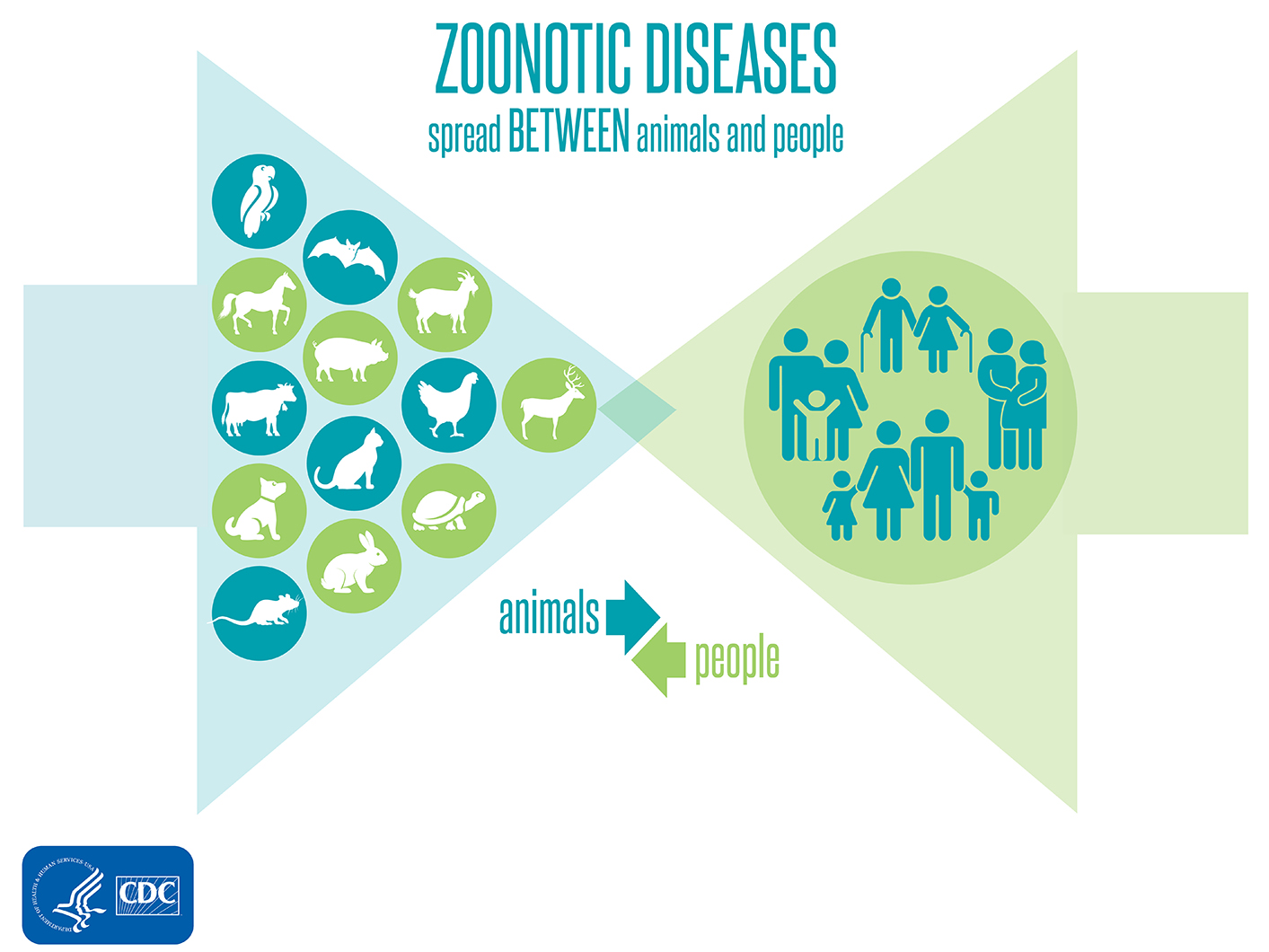
Bartonella spp. are zoonotic pathogens transmitted from mammals to humans through a variety of insect vectors including the sand fly, cat fleas, and human body louse [4,5]. New evidence suggests that ticks, red ants, and spiders can also transmit Bartonella [15,16,17,18]. Bed bugs have been implicated in the transmission cycle of B. quintana and have been artificially infected [19]. B. quintana was found in bed bug feces for up to 18 days postinfection [19]. The diversity of newly discovered Bartonella species, the large number and ecologically diverse animal reservoir hosts, and the large spectrum of arthropod vectors that can transmit these bacteria among animals and humans are major causes for public health concern.

Regarding ticks….

3.2. Arachnids (Spiders and Ticks)

Over the last 10 years, the topic of ticks transmitting Bartonella species has been widely debated. Evidence exists to support the transmission of Bartonella through many different species of ticks.

Ixodid ticks, also known as hard ticks, appear to be the main type of tick associated with these bacteria. Tick cell lines have been used to show that Bartonella can replicate and survive within:

  • Amblyoma americanum (Lone Star Tick)
  • Rhipicephalus sanguineus (Brown Dog Tick)
  • Ixodes scapularis cells [77] (Deer Tick)

In California, questing ticks of

  • Ixodes pacificus (Western Black legged Tick)
  • Dermacentor occidentalis (Pacific Coast Tick)
  • Dermacentor variabilis (American Dog Tick)

were collected when in the adult and nymphal stages and tested for Bartonella by PCR for the citrate synthase gene. [78]. All types of ticks were found to contain Bartonella DNA, although in varying percentages and locations. These data alone do not prove that ticks can transmit Bartonella spp. Bacteria; however, the results do show Bartonella DNA occurring naturally in these wild ticks.

In Palestine,

  • Hyalomma spp. (Genus of hard-bodied tick) found in Asia, Europe, & North and South Africa.
  • Haemphysalis spp. (The Asian Long-horned tick is an example)
  • Rhipicephalusspp. (Hard-bodied tick native to tropical Africa)

ticks were collected from domestic animals and tested by PCR for the Bartonella intergenic transcribed spacer (ITS) region [38]. These ticks were infected with 4 strains of Bartonella: B. rochalimae, B. chomelii, B. bovis, and B. koehlerae [38]. While this study tested a collection of ticks found on domestic animals, the results suggest that individuals in close contact with these animals should be aware of the potential for transmission through tick bites.

In a sampling of ticks (Ixodes scapularis and Dermacentor variabilis) and rodents (Peromyscus leucopus) from southern Indiana, the midgut contents of the tick species and rodent blood were analyzed by 16S sequencing. Bartonella was present in a moderate percentage (26% in D. variabilis and 13.3% in I. scapularis) of larvae and nymphs of both tick species, even those scored as unengorged, but was present in the majority (97.8%) of the rodents tested [79].
A survey of ticks from 16 states in the U.S. revealed that the overall prevalence of Bartonella henselae in Ixodes ticks was 2.5% [80].
Interestingly, the highest rate of both Borrelia spp. (63.2%) and B. henselae (10.3%) was found in Ixodes affinis ticks collected from North Carolina.
Ixodes ricinus has been the focus of studies that support tick transmission of Bartonella spp. in Europe. This is because I. ricinus is an important vector for tick-borne diseases in Europe [81]. I. ricinus have been collected in the larval, nymphal, and adult stages in Austria [82]. The analyses revealed that 2.1% of all ticks were infected with Bartonella spp., with the highest rate in ticks derived from Vienna (with a 7.5% infection rate), and that adult ticks had a higher prevalence than other stages [82].
B. henselae, B. doshiae, and B. grahamii DNA were amplified, and this was the first study to find Bartonella-infected ticks in Austria [82].
A recent One Health perspective review on Bartonella indicated that the overall presence of Bartonella in ticks (combining evidence from multiple surveillance studies) was approx. 15% [83].
B. henselae DNA has also been isolated from I. ricinus removed from an infected cat. However, whether the cat gave the tick Bartonella or vice versa cannot be established, so the vector competence of these ticks for transmission cannot be determined [30].
A lab in France has studied the relationship between I. ricinus and Bartonella transmission. One study focused on the ability of ticks to maintain infection from one life stage to the next and tested a vertical transmission from adults to eggs. The authors used B. henselae and found that a transstadial transmission was possible and that a transovarial transmission was not likely [84]. The researchers also supplied evidence to support the vector competency of I. ricinus by amplifying B. henselae DNA from the salivary glands of infected ticks and by amplifying DNA from blood 72 h after infected ticks fed through an artificial system [84]. Although the evidence strongly suggests the ability of ticks to transmit these bacteria, the system employed artificial means for feeding; therefore, one major critique has been that it is not representative of a natural blood meal from a host.
To address this issue, another experiment was performed to the assess vector competency of I. ricinus to transmit Bartonella birtlesii [85]. Mice were infected with B. birtlesii through an intravenous injection via a tail vein, and once mice were infected, naïve ticks were fed on the mice and kept for 3 months to molt. Nymphal ticks were shown to transmit B. birtlesii to naïve mice, and adult ticks were shown to infect blood through a feeder method [85]. B. birtlesii was identified in the blood of the recipient mice through PCR and immunofluorescence [85]. This evidence strongly supports the transmission of these bacteria by ticks. However, the limitation is that this only supports I. ricinus’ ability to transmit a very specific strain of Bartonella, B. birtlesii, which is not linked to human disease.
Concerns such as these related to vector competence and transmission can only be quelled by repeated studies utilizing multiple strains of Bartonella and differing tick species.
An interesting case study provided evidence of spiders transmitting Bartonella. A mother and two sons suffered from neurological symptoms following bites suspected from woodlouse hunter spiders [18]. Bartonella henselae DNA was amplified from the blood of the family as well as from a woodlouse and a woodlouse hunter spider near the family’s home [18]. It cannot be determined if the family contracted the bacteria from the woodlouse or the woodlouse hunter spider or if the lice and spiders contracted the bacteria from the family. This case study points to the importance for diagnosticians to test for bacterial infections after suspected arachnid bites. It also emphasizes the lack of knowledge on the possible vectors that transmit Bartonella as well as the range of manifestations by infection with Bartonella.

___________________

**Comment**

I think we can safely state that Bartonella IS an under appreciated health problem.


Tick Data – 76% Infected With One Organism, 20% Have Three or More Pathogens

https://www.tickcheck.com/statistics?

Each tick submitted for testing contributes to the research being conducted at TickCheck. By keeping records of all the results generated, we have been able to gain valuable insights into disease prevalence and co-infection rates. The comprehensive testing panel has been especially helpful in contributing to this research by ensuring all diseases and coinfections are accounted for when examining a tick.

Our current research shows:
  • 76% of ticks tested have at least one disease causing organism
  • 49% are co-infected with two or more organisms
  • 20% carry three or more
  • 9% of the ticks tested carry four or more

Infection Visualization by Tick Species

All Ticks Tested
76% Positive for Infection
Negative (24%)
_____________________________
  • 93% Positive for Infection
  • Negative (7%)
  • 63% Positive for Infection
  • Negative (37%)
  • 48% Positive for Infection
  • Negative (52%)

Coinfection Visualization

  • 2+ coinfection 49%
  • No coinfection 51%

Pathogenic Prevalence

The information below shows the positive/negative prevalence ratio of selected pathogens we test for. These pathogens were observed in ticks from the United States and Canada. Data set includes tests performed since TickCheck’s founding in 2014 and is updated in real time. (

Go to link at beginning to filter by state.  I’ve added the 3 listed for Wisconsin next to the entire sample size.  Please note the small sample sizes of WI ticks. 

Borrelia burgdorferi (deer tick) associated with Lyme disease

Sample size of 3,280 ticks.           70 Wisconsin ticks
  • 30% postive                                           33% positive
  • 70% negative                                         67% negative

Borrelia burgdorferi (western blacklegged tick) associated with Lyme disease

Sample size of 279 ticks.
  • 4% positive
  • 96% negative

Borrelia burgdorferi (lone star tick) associated with Lyme disease

Sample size of 899 ticks.
  • 8% positive
  • 92% negative

Borrelia burgdorferi (American dog tick) associated with Lyme disease

Sample size of 901 ticks.
  • 2% positive
  • 98% negative

Anaplasma phagocytophilum associated with anaplasmosis

Sample size of 2,146 ticks.           36 Wisconsin ticks
  • 8% positive                                           11% positive in Wisconsin
  • 92% negative                                        89% negative in Wisconsin

Babesia microti associated with babesiosis

Sample size of 1,894 ticks.           32 Wisconsin ticks
  • 4% positive                                            6% positive
  • 96% negative                                        94% negative

Bartonella spp. associated with bartonellosis

Sample size of 1,060 ticks.
  • 47% positive
  • 53% negative

Ehrlichia chaffeensis associated with ehrlichiosis

Sample size of 857 ticks.
  • 2% positive
  • 98% negative

Rickettsia spp. associated with Rocky Mountain spotted fever

Sample size of 944 ticks.
  • 23% postive
  • 77% negative

Francisella tularensis associated with tularemia

Sample size of 1,028 ticks.
  • 1% positive
  • 99% negative

Borrelia miyamotoi associated with B. miyamotoi

Sample size of 1,091 ticks.
  • 6% postive
  • 94% negative

Borrelia lonestari associated with STARI

Sample size of 831 ticks.
  • 19% postitive
  • 81% negative

Babesia spp. associated with babesiosis

Sample size of 564 ticks.
  • 5% positive
  • 95% negative

Mycoplasma spp. associated with Mycoplasma spp.

Sample size of 948 ticks.
  • 8% positive
  • 92% negative

Borrelia spp. associated with Borrelia spp.

Sample size of 612 ticks.
  • 17% postive
  • 83% negative

Powassan virus Lineage II associated with Deer tick virus

Sample size of 102 ticks.
  • 24% positive
  • 76% negative

Borrelia mayonii associated with Lyme disease

Sample size of 376 ticks.
  • 100% negative

Ehrlichia ewingii associated with ehrlichiosis

Sample size of 283 ticks.
  • 100% negative

Rickettsia amblyommii associated with Rocky Mountain spotted fever

Sample size of 177 ticks.
  • 46% positive
  • 54% negative

__________________

For more about Tickcheckhttps://www.tickcheck.com/about

You can request free tick identification by sending in a quality picture of your tick. Using real-time PCR (Polymerase Chain Reaction), Tickcheck can determine the presence of certain pathogens with an accuracy level of over 99.9%.  All information about how to send in your tick, costs of various tests, time for results, etc. is found here:  https://www.tickcheck.com/info/faq

Jonathan Weber is the founder and CEO of TickCheck and became acutely aware of the dangers of tick-borne diseases after his father caught Lyme during a family trip on the Appalachian Trail.

___________________

**Comment**

This information supports current research showing many patients are infected with numerous pathogens causing more severe illness & requiring far more than the CDC’s mono therapy of doxycycline:  https://madisonarealymesupportgroup.com/2018/10/30/study-shows-lyme-msids-patients-infected-with-many-pathogens-and-explains-why-we-are-so-sick/

It also supports previous work showing coinfections within ticks:  https://madisonarealymesupportgroup.com/2017/05/01/co-infection-of-ticks-the-rule-rather-than-the-exception/

What I want to know is WHY nothing’s being done about this?  Why are people STILL given 21 days of doxycycline when that particular med will not work on numerous pathogens?
Lastly, a word about statistics – this tick data should be used with caution & never to turn sick patients away due to a statistic. If you are the sorry sucker who gets bit by that ONE tick carrying a “statistically insignificant” pathogen, you still got bit and have to deal with it.  
Shame on doctors for turning sick people away due to statistics and maps.
There’s no such thing as an “insignificant” tick bite!

But, Patients are STILL being turned away:  https://madisonarealymesupportgroup.com/2019/04/22/its-just-crazy-why-is-lyme-disease-treatment-so-difficult-to-find-in-mississippi/

https://madisonarealymesupportgroup.com/2019/03/19/jacksonville-family-shares-daughters-9-month-diagnosis-of-rare-disease-which-isnt-rare-lyme/

https://madisonarealymesupportgroup.com/2018/05/31/no-lyme-in-the-south-guess-again/

https://madisonarealymesupportgroup.com/2017/10/24/no-lyme-in-oklahoma-yeah-right/

https://madisonarealymesupportgroup.com/2016/09/24/arkansas-kids-denied-lyme-treatment/  “They had the classic symptoms, they had the bulls eye rash, they had the joint pain, they had fevers and had flu like symptoms, yet we were denied treatment for at least two of them and I don’t understand how this is legal,” said Bowerman.

According to Dr. Naveen Patil, Director of the Infectious Disease Program, ADH,

“We don’t have Lyme Disease in Arkansas, we have the ticks that transmit Lyme Disease but we don’t have any recorded cases of Lyme Disease.” 

Bowerman also received a letter from the clinic stating doctors would no longer treat her children because she consistently questioned their medical advice and recommendations.

This is getting to be way beyond ludicrous.


Three-Antibiotic Cocktail Clears “Persister” Lyme Bacteria in Mouse Study

https://yubanet.com/scitech/three-antibiotic-cocktail-clears-persister-lyme-bacteria-in-mouse-study/

Three-Antibiotic Cocktail Clears “Persister” Lyme Bacteria in Mouse Study

Scientists isolate slow-growing variant Lyme bacteria forms that caused severe symptoms, resisted standard single-antibiotic Lyme treatment in the mouse model

The study, published March 28 in Discovery Medicine, also found that these “persister” Lyme bacteria were resistant to standard single-antibiotic Lyme treatments currently used to treat Lyme patients, while a three-antibiotic cocktail eradicated the Lyme bacteria in the mouse model.

For their study, the scientists isolated slow-growth forms of the Lyme bacterium, Borrelia burgdorferi. They found that, compared to normal fast-growth forms, the slow-growing forms caused more severe arthritis-like symptoms and resisted standard antibiotic treatment in test tube as well as in a mouse model. The scientists found that a combination of three antibiotics—daptomycin, doxycycline and ceftriaxone—cleared the Lyme infection in the study mice. The scientists now hope to test the combination in people with persistent Lyme disease.

“There is a lot of excitement in the field, because we now have not only a plausible explanation but also a potential solution for patients who suffer from persistent Lyme disease symptoms despite standard single-antibiotic treatment,” says study senior author Ying Zhang, MD, PhD, professor in the Department of Molecular Microbiology and Immunology at the Bloomberg School.

Lyme disease afflicts about 300,000 people in the United States every year. It is caused by Borrelia bacteria that live inside common species of ticks and are transmitted to humans by tick bites. Treatment with a single antibiotic—either doxycycline, amoxicillin or cefuroxime—for two to four weeks clears infection and resolves symptoms in most patients. However, some 10 to 20 percent of Lyme patients who are treated continue to suffer persistent symptoms including fatigue, muscle and joint aches, and brain fog that can six months or longer.

This post-treatment Lyme disease syndrome has been controversial among many doctors, in part because studies of these patients usually have failed to show that Borrelia bacteria can be cultured from their blood, especially after treatment—a standard method for revealing the presence of an infection or relapse. However, Borrelia, like many bacteria, can switch under low-nutrient conditions or other stresses from their normal fast-growth mode to variant forms as in “stationary phase” with little or no growth.

Studies also have hinted that these stationary-phase variants can be killed with the right drugs. Research by Zhang and colleagues has shown that a combination of daptomycin, doxycycline and cefoperazone reliably kills cultures of B. burgdorferi that include stationary-phase variant forms.

In this new study, Zhang and colleagues grew stationary-phase B. burgdorferi and isolated two distinct no-growth forms, called microcolony and planktonic forms. They confirmed that these forms are resistant to standard antibiotics such as doxycycline and even two-drug combinations used for treating Lyme disease. They also showed that these stationary-phase forms, compared to normal-growing spiral forms of B. burgdorferi, cause worse Lyme disease-like symptoms in mice—chiefly inflammation and joint-swelling. However, treating these mice with the combination of daptomycin, doxycycline and ceftriaxone effectively eradicated the infection.

“A lot of physicians have been wanting to do clinical trials of antibiotic combinations in post- treatment Lyme disease syndrome patients, and now we have results in animals that support the idea of such trials,” Zhang says.

He and his colleagues are making plans for their own trial of the persister drug combination against post-treatment Lyme disease syndrome. They note that the idea of persister bacteria causing severe and persistent infections with varying susceptibilities to different drugs might apply to other infectious diseases in which symptoms sometimes persist, despite standard treatment.

“Stationary Phase Persister/Biofilm Microcolony of Borrelia burgdorferi Causes More Severe Disease in a Mouse Model of Lyme Arthritis: Implications for Understanding Persistence, Post-Treatment Lyme Disease Syndrome (PTLDS), and Treatment Failure” was written by Jie Feng, Tingting Li, Rebecca Yee, Yuting Yuan, Chunxiang Bai, Menghua Cai, Wanliang Shi, Monica Embers, Cory Brayton, Harumi Saeki, Kathleen Gabrielson, and Ying Zhang.

Funding for the research was provided by the Steven and Alexandra Cohen Foundation, Global Lyme Alliance, LivLyme Foundation, NatCapLyme, and the Einstein-Sim Family Charitable Fund.

_________________

**Comment**

The 10-20% being used to identify those with remaining symptoms is inaccurate and NEEDS to change. For a great read explaining this:  https://madisonarealymesupportgroup.com/2019/02/25/medical-stalemate-what-causes-continuing-symptoms-after-lyme-treatment/

In short, Microbiologist Holly Ahern recently wrote that the arbitrary label “Post Treatment Lyme Disease Syndrome,” or PTLDS, which the CDC estimates to be 10-20% of patients only truly represents a subgroup of patients who have been diagnosed early, treated with standard short-term antibiotics, and whom remained symptomatic or developed new symptoms. It does not and should not include a third group who were misdiagnosed or undiagnosed beyond the first few weeks of infection. She states estimates based on existing research show this unaccounted for group makes up 30-40% of Lyme disease patients. By combining the PTLDS group with the third group, there are 60% of patients ending up with chronic symptoms, a number that more closely matches my experience as a patient advocate (9)  https://madisonarealymesupportgroup.com/2019/02/22/why-mainstream-lyme-msids-research-remains-in-the-dark-ages/

This is important because 60% is much bigger than 10-20% and reveals the vast suffering and the dire need for research on this neglected subgroup of patients.

Recently, this came out regarding treatment:  https://madisonarealymesupportgroup.com/2019/04/17/global-lyme-alliance-doing-kick-butt-research/

Dr. Kim Lewis and his team at Northeastern University, independently, discovered that Disulfiram, used for treating alcoholism, was extremely effective in culture and in mice in to killing burgdorferi in all forms.

This is promising as it won’t destroy the gut like antibiotics.


Cancer Crusaders: Canine Patients Advancing Better Therapies

https://www.vetmed.wisc.edu/cancer-crusaders/

Cancer Crusaders

How today’s canine patients help to advance better cancer therapies for pets and people

Rossi, a seven-year-old Alaskan Malamute, visits UW Veterinary Care for treatment as part of an oncology clinical trial

Rex, a five-year-old Cane Corso weighing in at 100 pounds, had a summer to remember in 2018.

Swimming in Lake Michigan, enjoying walks in the woods, dipping his feet into a nearby creek, and relishing adventure after adventure. All the while adapting to life on three legs.

“Me and Rex had probably the best summer of our lives once he got his leg amputated,” says owner Trevor Smithson. “We did so many fun things together.”

Rex’s left hind leg was amputated in July due to osteosarcoma, a type of bone cancer, and he began chemotherapy soon after. A few months later, it was discovered that Rex’s cancer had spread to his lungs. In the new year, cancerous tumors were found in two of Rex’s other legs.

Rex, a five-year-old Cane Corso battling osteosarcoma

Rex and Smithson have faced each diagnosis with a brave spirit and a goodwill that may one day help other patients — both dogs and people — facing similar situations. As part of Rex’s treatment regimen, he has taken part in several clinical studies — investigational trials of novel, potentially more effective treatment options with applications in veterinary and human medicine.

The UW School of Veterinary Medicine (SVM) is an early and national leader in this field of research, known as comparative oncology, studying naturally occurring cancers in pets as models for human disease. The goal is to advance new cancer therapies and diagnostics that could benefit animals and people. The decoding of the canine genome in 2005 spurred a larger effort among researchers to apply a comparative, “one medicine” approach to better understand, diagnose, and treat diseases with a genetic basis, such as cancer.

“The answer to cancer may be walking beside us,” notes David Vail, professor and Barbara A. Suran Chair in Comparative Oncology at the SVM.

Past clinical studies in oncology at the SVM have yielded new immunotherapy drugs in research first led by Greg MacEwen, one of the school’s founding faculty members; chemotherapy and radiotherapy treatments with better effectiveness and less toxicity; and revolutionary new technologies. For example, successful clinical trials in pet dogs with nasal tumors at UW Veterinary Care in the early 2000s, shepherded by Professor Lisa Forrest, led to widespread use of TomoTherapy in human medicine. This state-of-the-art radiation machine built into a CT scanner, developed at UW–Madison, allows for precise delivery of radiation therapy to attack tumors while sparing healthy tissue. More than 500 TomoTherapy units are now installed in human hospitals worldwide and the SVM remains one of only two veterinary medical hospitals in the world to offer this technology.

Conquering Cancer Together

An important goal of comparative oncology clinical trials is to raise the current standard of cancer care. In veterinary and human medicine, recurrence and metastasis (the spread of cancer) for aggressive tumors is “a very real problem,” says Vail. “We have such a long way to go both in physician-based and veterinarian-based oncology.”

“For some very aggressive cancers, we truly don’t have a good standard of care or the standard of care available fails our patients in that we’re not achieving high cure rates,” he adds. “Having the opportunity to use and apply this one medicine approach more globally in all species will allow us to help humans with cancer, while also helping our veterinary patients. It’s a huge need that we are working to move forward.”

Cancer by the numbersDogs and people not only share similar cancer rates — about one in four dogs and one in three people will develop cancer in their lifetime — but naturally occurring tumors in dogs and other companion animals often share almost identical characteristics to human cancers in terms of biological behavior, therapeutic response, metastasis, and more.

What sets dogs apart, as those who have loved and lost a canine companion know all too well, is their shorter lifespan, which also speeds the cellular clock. Cancers tend to develop, spread, and grow faster in dogs.

“You talk about one dog year equals seven people years; the same holds true for cancers,” says Vail. “Things progress quicker and occur at an earlier age. Chronologically, everything is compressed.”

This abbreviated timeline, while heartbreaking for an affected dog’s family, means that oncologists can determine much more quickly whether a cancer treatment works or doesn’t work. This is an important advantage of clinical trials in client-owned pets, potentially accelerating the development of better cancer therapies more rapidly and less expensively.

At Great Cost

According to Vail, it currently takes an average of 10 to 15 years and a cost of approximately $1.5 billion per drug to develop a new FDA-approved oncology medicine. Some cancer drugs can cost human patients more than $100,000 for a year’s treatment. Contributing to this toll in time and money is the high number of drug candidates that fail in human clinical trials. Only about five percent of oncology therapies make it from first-in-human clinical studies to final drug approval.

“Where we feel comparative oncology can really help is by including companion species in this preclinical work, as they may better recapitulate the human condition than artificial rodent models,” says Vail.

While important for studying cancer biology, the mouse models of cancer that are often used in medical research — immunosuppressed, with tumors that have been implanted — lack many characteristics of human cancers. Thus, there is a disconnect between the number of anti-cancer therapeutics that work in mouse models versus in human patients, says Mark Albertini, an associate professor of medicine at UW–Madison and chief of oncology at the William S. Middleton Memorial Veterans Hospital.

“In contrast, many human clinical trials have benefited from the translational dog model,” he says.

Successful clinical trials in dogs with nasal tumors at UW Veterinary Care, shepherded by Professor Lisa Forrest, led to widespread use of TomoTherapy in human medicine

Cancer arising in dogs naturally,

“is genetically closer to the human condition, where each person is genetically distinct and their cancers are the same,” adds Jacques Galipeau, the Don and Marilyn Anderson Professor in Oncology and associate dean for therapeutics development at the UW School of Medicine and Public Health. In laboratory rodent models, all mice are genetically identical, he explains. “Though you can treat 100 mice, it is more like treating a single mouse a hundred times. Treating cancer in dogs is a more robust, reality-based test of innovative treatments.”

Moreover, Galipeau says, researchers can deploy novel cancer treatments in client-owned animals at a rate that far outpaces the regulatory, pharmaceutical, and cost constraints of human studies. (Clinical trials in companion animals must meet their own strict criteria and are rigorously executed. All studies conducted at the SVM are reviewed and approved by the school’s Animal Care and Use committee to assure minimal risk to the patient and to guarantee that animal welfare requirements of the National Institutes of Health and Food and Drug Administration are met.)

“Our canine clientele can benefit from ethically sound, FDA-compliant clinical trials of therapeutic innovations far quicker and more cheaply than is achievable in humans,” Galipeau notes. “Lessons learned in dogs subsequently inform the best path to pursue in equivalent studies in people — hence the ‘comparative therapeutics’ angle.”

This bidirectional flow of new technologies and therapies is critical for veterinarians such as Vail. “Yes, we’re informing human clinical trials, but at the end of the day we are veterinarians and it’s really important to ensure that our veterinary patients are benefiting as well,” he says.

A Chance to Help Children

Osteosarcoma, a highly aggressive and painful bone cancer, has long been a poster child for the potential of comparative oncology, according to Vail. This disease affects both dogs and people and shares the same metastatic pattern and genetic profile between the two species.

In humans, osteosarcoma tends to occur in children, preteens, and teenagers.

“It is a devastating disease,” Vail says. Only about 800 cases are diagnosed annually in North America, which has led to the disease being understudied in human medicine, he says. “It’s essentially been orphaned because there are so few patients.”

In dogs, however, the disease is far more common, often affecting the long bones of large breed dogs. More than 20,000 new cases are seen each year in North America. Despite therapy (limb amputation plus chemotherapy), most dogs succumb to the disease within a year of diagnosis due to cancer spreading to other parts of the body.

Gus, a 9-year-old Rhodesian Ridgeback mix who recently completed treatment for osteosarcoma, is participating in an oncology clinical trial at UW Veterinary Care

The large number of patients seen in veterinary medicine allows researchers to evaluate new therapeutics in a way that wouldn’t be possible by studying humans alone.

“Median survival for a dog with standard of care therapy is one year and median time to progression in kids, when the disease starts to worsen or spread, is about five years,” Vail explains. “So we get information that much quicker.”

SVM oncologists are working to uncover osteosarcoma’s underlying causes and develop more effective therapies. The school is one of several sites, for example, now investigating a new approach to stimulate the body’s own immune system to attack any remaining tumor cells in osteosarcoma patients. This clinical trial is sponsored by the Morris Animal Foundation and the National Cancer Institute as part of an innovative 5/5/5 initiative to test five drugs, in five years, for approximately $5 million.

Dogs participating in the trial receive a vaccine made from the bacteria Listeria monocytogenes, which has been genetically modified to express a tumor protein found in many cancer cells, including canine bone cancer cells. When injected into the bloodstream, this modified Listeria stimulates the immune system to attack cells expressing the specific tumor protein. The goal is to delay or prevent the spread of cancer following removal of the primary bone cancer tumor and chemotherapy.

Veterinarians Serving Veterans

The SVM has also just launched a four-year trial of a new immunotherapy treatment for malignant melanoma. A common skin cancer in humans and a common oral cancer in dogs, melanoma frequently spreads within the body, resulting in poor survival rates once it reaches distant sites.

This investigational drug will be tested in dogs with melanoma at UW Veterinary Care and in a related study of human melanoma patients. The project is led by Albertini, who in addition to his roles at the Veterans Hospital and UW Health directs the Comprehensive Melanoma Clinic at the UW Carbone Cancer Center. He and Vail have worked collaboratively for several years to identify new melanoma treatments. This latest study is funded by the Department of Veterans Affairs; veterans who have served in the Middle East experience sunlight exposure and melanoma at rates higher than the general population.

With the treatments and novel therapeutics that we look at, the types of things that work in the dog tend to work in people, and the types of things that work in people tend to work in dogs.”

David Vail, professor and Barbara A. Suran Chair in Comparative Oncology

“This is the first Veterans Administration-funded companion animal trial,” says Vail. “We see a lot of malignant melanoma in canine populations — in our clinic, almost daily — and this granting agency recognized the value of the comparative approach.”

The study involves injecting an immune stimulant directly into melanoma tumors to turn the cancerous tumor, while still in the body, into its own anti-cancer vaccine. The treatment may allow patients with melanoma to live longer or even be cured.

“We know that in a tumor developing in a person or dog, it’s no longer presenting as foreign to the immune system, otherwise the immune system would do the job it’s supposed to do,” Vail explains. “We’re trying to trick it back and make the tumor immunogenic again, provoking an immune response.”

MRI and CT scans of dogs who have received the treatment show promising preliminary results. “The tumor becomes very quiet after immunotherapy, with fewer cancer cells dividing,” says Vail. “Importantly, the lymph node, which is kind of the immune fort that gets turned on to attack the tumor and send in anti-cancer cells, becomes more active.”

SVM researchers are collaborating with oncologists at the Carbone Cancer Center to develop novel ways of using advanced medical imaging to determine which patients are benefiting from immunotherapy and which are not — an emerging need as more and more immunotherapies are deployed across cancer types. “That’s important because these drugs are very expensive and they do have side effects,” Vail says.

Gaining Momentum

Writing in The Veterinary Journal, Vail and coauthor Douglas Thamm of Colorado State University note that “a new era of clinical trial awareness, brought on by new consortia and cooperative groups, is beginning.”

The Comparative Oncology Program at the National Cancer Institute and the Comparative Oncology Trials Consortium, of which the SVM is a founding member, are among the initiatives that have emerged to bring researchers together and provide needed resources.

In 2015, a national workshop hosted by the Institute of Medicine’s National Cancer Policy Forum served to build momentum among scientists, veterinarians, physicians, and the general public toward greater integration of pet clinical trials into translational cancer research.

Last year, the Open Philanthropic Project awarded a $6 million grant for the largest clinical study conducted to date for canine cancer. This five-year trial, being performed at the SVM and two other institutions, will test a novel vaccine strategy for the prevention, rather than the treatment, of many types of cancer in dogs — a potential paradigm shift in veterinary and human medicine.

Trevor Smithson and his dog Rex

Most recently, the V Foundation for Cancer Research launched a grant-making program to accelerate comparative oncology research through grants to five top veterinary schools, including the UW School of Veterinary Medicine, paired with five leading human cancer centers. As part of this effort, the SVM has partnered with the UW Carbone Cancer Center to form the Comparative Oncology Working Group, together conducting studies and clinical trials aimed at more efficient cancer prevention, diagnosis, and treatments for pets and people.

Vail says the thousands of pets and pet owners that take part in the school’s oncology clinical studies are critical partners in advancing this work, “helping to push the envelope as far as what can be done to prevent and treat cancer in the future.”

“Our clients come to us demanding high-quality care and access to novel therapeutics and novel technologies,” he says. “They’re highly motivated.”

For Smithson, who has logged countless miles driving from Chicago to the University of Illinois, Ohio State University, and then to UW to allow Rex to participate in oncology clinical trials, the novel therapies have offered optimism in Rex’s battle with cancer. “It’s always good to have a little hope blown into your sails,” he says.

The decision to enroll in the trials hasn’t always been easy for Smithson, who says Rex’s quality of life has guided his decisions. “If Rex didn’t want to live, we wouldn’t have even considered it.”

“I talked to him quite a little bit about this, even before he had his leg amputation, and said ‘If you want to live and you want to fight, I’ll fight with you. And if you don’t want to do it, I’m not going to make you.’ Because there’s no point in doing all this if he’s not happy,” Smithson adds. “But he still finds it in him to wag his tail, eat his food, and chew on his toys. As much as he’s been through, it hasn’t hampered his spirit one bit.”

Meghan Lepisto

Editor’s note: We regret to share that Rex, featured in this article, passed away in March following a courageous battle with cancer.

Categories: Medical Sciences News, On Call, Research News, School News, UW Veterinary Care News.


First report of Bartonella Culturing and MLST-based Genotyping From Blood in Southeast European Cat Living With Patient With Bartonella

https://www.ncbi.nlm.nih.gov/m/pubmed/30940084/

First isolation and genotyping of Bartonella henselae from a cat living with a patient with cat scratch disease in Southeast Europe.

Stepanić M, et al. BMC Infect Dis. 2019.

Abstract

BACKGROUND: The bacterial genus Bartonella is distributed worldwide and poses a public health risk. Cat-scratch disease caused by B. henselae in Croatia was first described in 1957. It is present throughout the country: a survey of serum samples from 268 Croatian patients with lymphadenopathy showed that 37.7% had IgG antibodies. Despite this prevalence, we are unaware of reports of Bartonella culturing from infected humans or cats in Croatia or elsewhere in southeast Europe.

CASE PRESENTATION: Here we describe the diagnosis of a 12-year-old child with lymphadenopathy in Croatia with cat-scratch disease based on antibody detection and clinical signs, and the subsequent culturing and genotyping of B.henselae from the cat’s blood. The B. henselae isolate was grown on different blood agar plates and its identity was confirmed based on polymerase chain reaction (PCR) amplification of 16S ribosomal deoxyribonucleic acid (16S rDNA) and sequencing. Multi-locus sequence typing (MLST) identified the strain genotype as sequence type 5, commonly found zoonotic B. henselae strain in cats. The child recovered after azithromycin therapy, and B. henselae in the cat was eliminated within three months after doxycycline treatment.

CONCLUSIONS: This is, to our knowledge, the first report of B. henselae culturing and MLST-based genotyping from cat’s blood in southeast Europe. Our ability to detect B. henselae in blood through culturing but not PCR suggests that the prevalence of infected cats with low bacteremia is very high, suggesting the need to develop faster, more sensitive detection assays.

________________

**Comment**

Bartonella is everywhere and finally getting the press it deserves. Nearly every Lyme/MSIDS patient I know has it yet the U.S. is in denial. 

Perfectly healthy people can become infected without any cat exposure:

 https://madisonarealymesupportgroup.com/2019/01/23/chest-imaging-of-cat-scratch-disease-in-2-year-old-immunocompetent-baby-with-no-history-of-cat-contact/

https://madisonarealymesupportgroup.com/2018/07/10/bartonella-henselae-neuroretinitis-in-patients-without-cat-scratch  All the patients denied a history of a cat or any animal contact, or of having CSD findings.

https://madisonarealymesupportgroup.com/2018/07/05/cat-scratch-disease-in-a-1-5-year-old-girl-case-report/  Healthy 1.5-year-old girl who was seen in hospital for the sparing use of her left arm when crawling. Tested positively for Bartonella henselae.

https://madisonarealymesupportgroup.com/2018/04/03/encephalopathy-in-adult-with-cat-scratch-disease/  Case of a 53-year-old healthy man, presenting with confusion. Serology confirmed Bartonella henselae infection.

https://madisonarealymesupportgroup.com/2019/01/09/transverse-myelitis-guillain-barre-associated-with-bartonella/  Healthy 10 year old girl had coexisting transverse myelitis and Guillain-Barré syndrome (GBS) related to infection with Bartonella henselae.

https://madisonarealymesupportgroup.com/2018/11/05/skull-infection-due-to-bartonella/  While cats are implicated, this 3 year old had no significant medical history, presented at emergency department for a 2-week history of worsening scalp lump with redness.

https://madisonarealymesupportgroup.com/2018/03/04/bartonella-erythema-nodosum-atypical-presentations/  All immunocompetent hosts.

Lastly, this article points out the importance of utilizing blood culture vs PCR for Bartonella.  PCR tests require much less time, less skill to interpret the results, less waste, which all culminate to less cost; however, as you can see from the last item in the list, traditional culture method (TCM) beats out PCR in the area of rare and emerging pathogens.  List below derived from this:  https://instantlabs.com/traditional-culture-methods-or-pcr-which-is-right-for-you/

Differences between TCM & PCR testing:

    • Skill Level Required: Knowing what to look for can be tough when it comes to traditional culture method TCM. While some tests are cut and dry — the organism either grew up or it didn’t — others require a bit of interpretation in order to be correctly read. Bacterial identification is an art form that can take years to perfect. This translates out into higher wages and more skill required for TCM.
    • Time to Result: Bacteria grow on their own schedule. More time spent waiting typically means more cost for TCM.
    • Accuracy: There’s always one oddball out in a crowd, and bacteria are no different. There’s always one cell that just won’t conform to the standardized norm for a species. Because many of the traits that TCM look for are considered non-essential traits by the organism in question, there’s always the possibility that a pathogenic organism could be missed even by the most seasoned technician.
    • Waste Generated: At first glance, the amount of waste each test generates per sample doesn’t seem like an important concern, but it is. Consider this: each pound of waste generated has to be disposed of properly. And because TCM often require both the primary and secondary enrichment to be plated in replicates of 5, all of those plates add up to quite the pile.
    • Cost: It’s not just the cost of reagents that needs to be considered. The longer time required for TCM keeps staff from doing other important tasks, and the differences in the amount of reagents needed. Sure, a single plate may cost only $0.25, but when you’re going through 24 at a time, that can add up quickly.
    • Diversity of Available Tests: This is where TCM beats out Real-Time PCR. There are still some very rare and emerging pathogens where Real-Time PCR tests don’t yet exist – at least not commercially available and approved versions. For these very rare pathogens, TCM is still the method of choice.

There has been a concerted suppression of microscopy for Lyme/MSIDS:  https://madisonarealymesupportgroup.com/2017/12/13/suppression-of-microscopy-for-lyme-diagnostics-professor-laane/

https://madisonarealymesupportgroup.com/2018/05/15/news-release-on-57-1-million-lyme-disease-lawsuit-filed-against-cdc/

This article also reveals how Lida Mattman’s Gold Standard Culture Method has disappeared thanks to this concerted suppression on microscopy.  https://madisonarealymesupportgroup.com/2019/04/02/transmission-of-lyme-disease-lida-mattman-phd/

Could it be that folks sitting on the CDC/NIH/IDSA boards have patents on testing?  YEP! ConflictReport

It is high time authorities allow & promote direct testing for Lyme/MSIDS.