Archive for the ‘Lyme’ Category

Antibodies to Borrelia Burgdorferi and Bartonella Species in Serum and synovial fluid From People With Rheumatic Diseases

https://www.researchgate.net/publication/378974250_Antibodies_to_Borrelia_burgdorferi_and_Bartonella_species_in_serum_and_synovial_fluid_from_people_with_rheumatic_diseases

Antibodies to Borrelia burgdorferi and Bartonella species in serum and synovial fluid from people with rheumatic diseases

Authors:

Abstract and Figures

Vector-borne infections may underlie some rheumatic diseases, particularly in people with joint effusions. This study aimed to compare serum and synovial fluid antibodies to B. burgdorferi and Bartonella spp. in patients with rheumatic diseases. This observational, cross-sectional study examined paired synovial fluid and serum specimens collected from 110 patients with joint effusion between October 2017 and January 2022. Testing for antibodies to B. burgdorferi (using CDC criteria) and Bartonella spp. via two indirect fluorescent antibody (IFA) assays was performed as part of routine patient care at the Institute for Specialized Medicine (San Diego, CA, USA). There were 30 participants (27%) with positive two-tier B. burgdorferi serology and 26 participants (24%) with IFA seroreactivity (≥1:256) to B. henselae and/or B. quintana. Both B. burgdorferi IgM and IgG were detected more frequently in synovial fluid than serum: 27% of patients were either IgM or IgG positive in synovial fluid, compared to 15.5% in serum (P = 0.048). Conversely, B. henselae and B. quintana antibodies were detected more frequently in serum than synovial fluid; overall only 2% of patients had positive IFA titers in synovial fluid, compared to 24% who had positive IFA titers in serum (P < 0.001). There were no significant associations between B. burgdorferi or Bartonella spp. seroreactivity with any of the clinical rheumatological diagnoses. This study provides preliminary support for the importance of synovial fluid antibody testing for documenting exposure to B. burgdorferi but not for documenting exposure to Bartonella spp.
IMPORTANCE This study focuses on diagnostic testing for two common vector-borne diseases in an affected patient population. In it, we provide data showing that antibodies to B. burgdorferi, but not Bartonella spp., are more commonly found in synovial fluid than serum of patients with joint effusion. Since Lyme arthritis is a common—and sometimes difficult to diagnose—rheumatic disease, improving diagnostic capabilities is of utmost importance. While our findings are certainly not definitive for changes to practice, they do suggest that synovial fluid could be a useful sample for the clinical diagnosis of Lyme disease, and future prospective studies evaluating this claim are warranted.
For more:

Lyme in Norway: Interview with a Biologist and Cancer Researcher

http://

Lyme in Norway

Interview with Paola Biometti

4/6/24

In this inspiring episode of the Tick Boot Camp Podcast, host Matt Sabatello and special guest co-host Max Noir sit down with Paola Giometti, a dedicated biologist and cancer researcher from Brazil who now calls Tromsø, Norway, her home.

Battling the complexities of Lyme disease, Paola opens up about her life-changing journey from early symptoms to her diagnosis and the road to recovery.

What You’ll Discover in This Episode:

🌟 Introduction to Paola Giometti: Delve into the life of Paola Giometti, her illustrious career in cancer research, and her early years in Brazil before moving to the picturesque landscapes of Norway.

💔 Early Struggles with Lyme: Paola recounts the onset of Lyme disease at the tender age of 11, detailing the chronic fatigue, muscle weakness, and the subsequent misdiagnoses that clouded her youth.

🛤 The Road to Diagnosis: Uncover the strenuous path Paola navigated to finally receive a proper Lyme disease diagnosis at 39, amid the medical community’s challenges in Norway and Brazil.

💊 Journey Through Treatment: Listen as Paola shares the specifics of her treatment regimen, the daily impacts of her symptoms, and her unwavering commitment to recovery.

🔄 Impact of Lyme on Life: Gain insights into how Lyme disease reshaped Paola’s professional goals, social interactions, and her once-held athletic dreams.

📣 Guidance for Fellow Lyme Warriors: Paola extends her heartfelt advice to others facing the battles of Lyme disease, highlighting the significance of specialist care and self-advocacy.

🌈 A Beacon of Hope: Despite the hurdles, Paola emanates a powerful message of resilience and hope for individuals grappling with Lyme disease, offering solace and inspiration to all listeners.

Join us as we explore Paola’s profound story of struggle, perseverance, and hope. This episode is a must-listen for anyone touched by Lyme disease or interested in the human spirit’s capacity to overcome adversity.

Don’t forget to subscribe to the Tick Boot Camp Podcast on your favorite podcast platform and leave us a review. Your feedback is invaluable as we continue to build our community and amplify our message of hope and resilience. Connect with Us: Visit our website: https://tickbootcamp.com/podcast/

May: Lyme Disease Awareness Resources

Lyme Disease Awareness Month 2024

May is Lyme Disease Awareness Month, a time dedicated to increasing public knowledge about Lyme disease. This month emphasizes awareness on preventing tick bites, recognizing symptoms, and promoting early detection. 

Go here for nifty downloadable posters to share with others.

Go here for more prevention & printouts on how to identify and properly remove ticks, how to protect your pets and yard, learn about Lyme symptoms, as well as get guest blogs on various topics, a community action calendar, and Lyme statistics.

Go here for a free special issue of Lymetimes.

Topics within:

  • All things Mast Cell Activation Syndrome (MCAS)
  • Healing Guide for environmental toxins, Lyme, and EMF’s
  • Connection between mold illness and MCAS
  • Hidden ingredients in pills
  • History of LymeDisease.org

Go here for Upcoming Lyme Awareness Events.

Go here for tick prevention.

Jadin Protocol for ME/CFS, Chronic Lyme & Q Fever

http://

Protocol for ME/CFS, Chronic Lyme, & Q Fever

Cécile Jadin, MD

8/2/23

Microbiome Prescription

Transcript available in Youtube link.

For more:  https://cfsremission.com/2023/08/02/video-presentation-of-dr-jadins-current-protocol-for-me-cfsvideo-presentation-of    Within this link is the following information as well as shortened videos and helpful information including a list of treatments.

Important point:  treatment duration is 1-3 YEARS.

Dr. Jadin’s protocol has been used for over 25 years with a high success rate (90%).

Cécile Jadin is a MD with decades of clinical experience treating ME/CFS applying and evolving a protocol that she inherited from her father’s time at the Pasteur Institute of Tropical Medicine.  She talks about Obligated Intracellular Organism or OIO. This term may be unfamiliar to many, for some background readings see this Research Topic on Frontiers.

Remission is the Target, not who is right

Patients and their MDs can go down two path, the paths actually run besides each other.

  • Follow Cécile Jadin process and protocol precisely
  • Follow Cécile Jadin process but use iterative sets of suggestions from Microbiome Prescription. By that, pick 1-2 of the top CFS tagged antibiotics, then at the end of first month, take a new microbiome sample and start with the secondary CFS tagged antibiotics (while waiting for the results).

The latter approach can be tried without prescription antibiotics because it identifies probiotics (that often produces natural antibiotics) and herbs (with antibiotic characteristics) and thus allows self-treatment for those without a cooperative medical professional. This no-antibiotics approach will likely work slower for most people. I discourage self-treatment, but often there is no alternative. My first choice is keeping strictly to clinical experience using the microbiome suggestions to select between clinical alternatives.

Go here for Dr. Jadin Resources which includes much more detail about the treatment

For more:

Keep Your Garden Tick-Free By Choosing the Right Plants

https://www.lymedisease.org/tick-free-gardening/

Keep your garden tick-free by choosing the right plants

Q & A with Dr. Nev Zubcevik

As we embrace the beauty of spring and the outdoor activities it brings, we also face the increased risk of tick encounters.

Dr. Nev Zubcevik, Chief Medical Officer of Invisible International, and an avid gardener, shares insights on how gardeners can use specific plants to protect themselves from ticks and the diseases they carry, such as Lyme disease—a condition that affects 476,000 Americans annually.

Q: Dr. Zubcevik, why is it important for gardeners to consider tick-repelling plants?

A: With tick-borne diseases on the rise, it’s crucial we utilize every tool in our arsenal for prevention. Tick-repelling plants are a natural, aesthetic way to make our gardens less hospitable to ticks and the wildlife that carries them. This method complements other preventive measures, creating safer outdoor spaces for everyone.

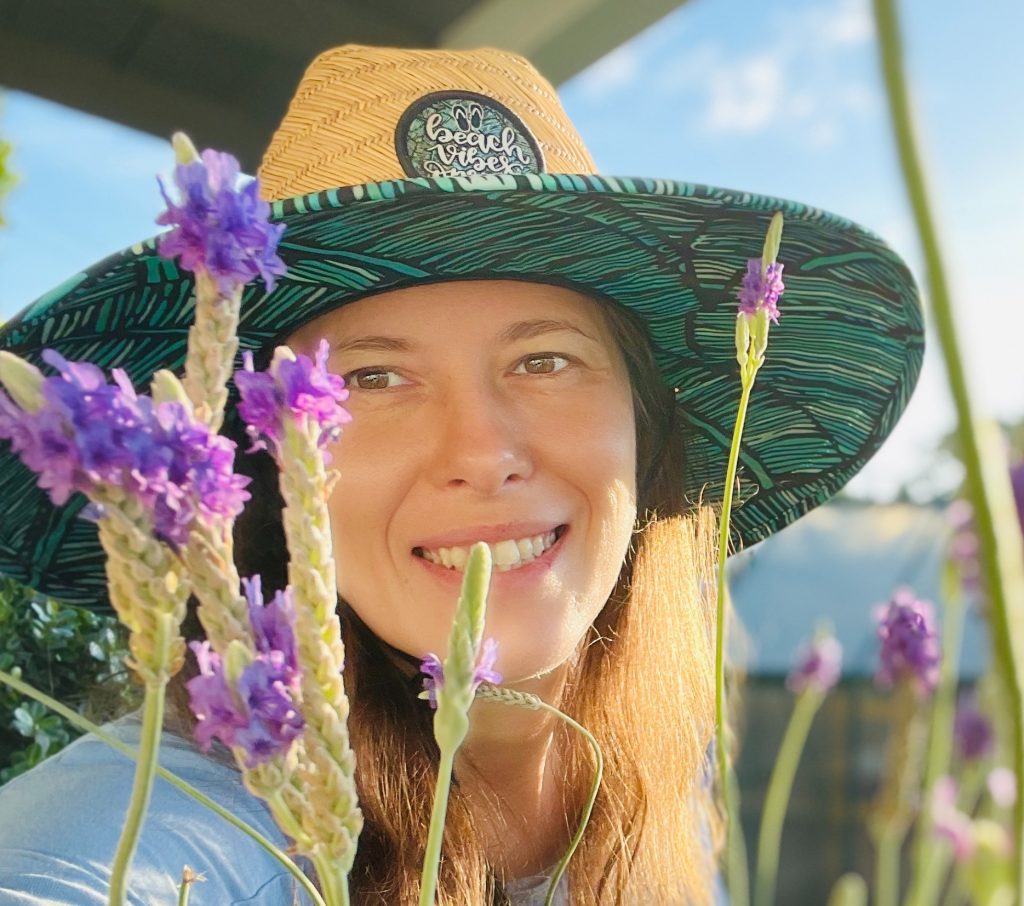
Q: Lavender is popular in gardens. How does it deter ticks?

A: Lavender’s lovely fragrance, appealing to humans, is detestable to ticks. Its beautiful blooms add color and fragrance to your garden while acting as a natural line of defense against ticks.

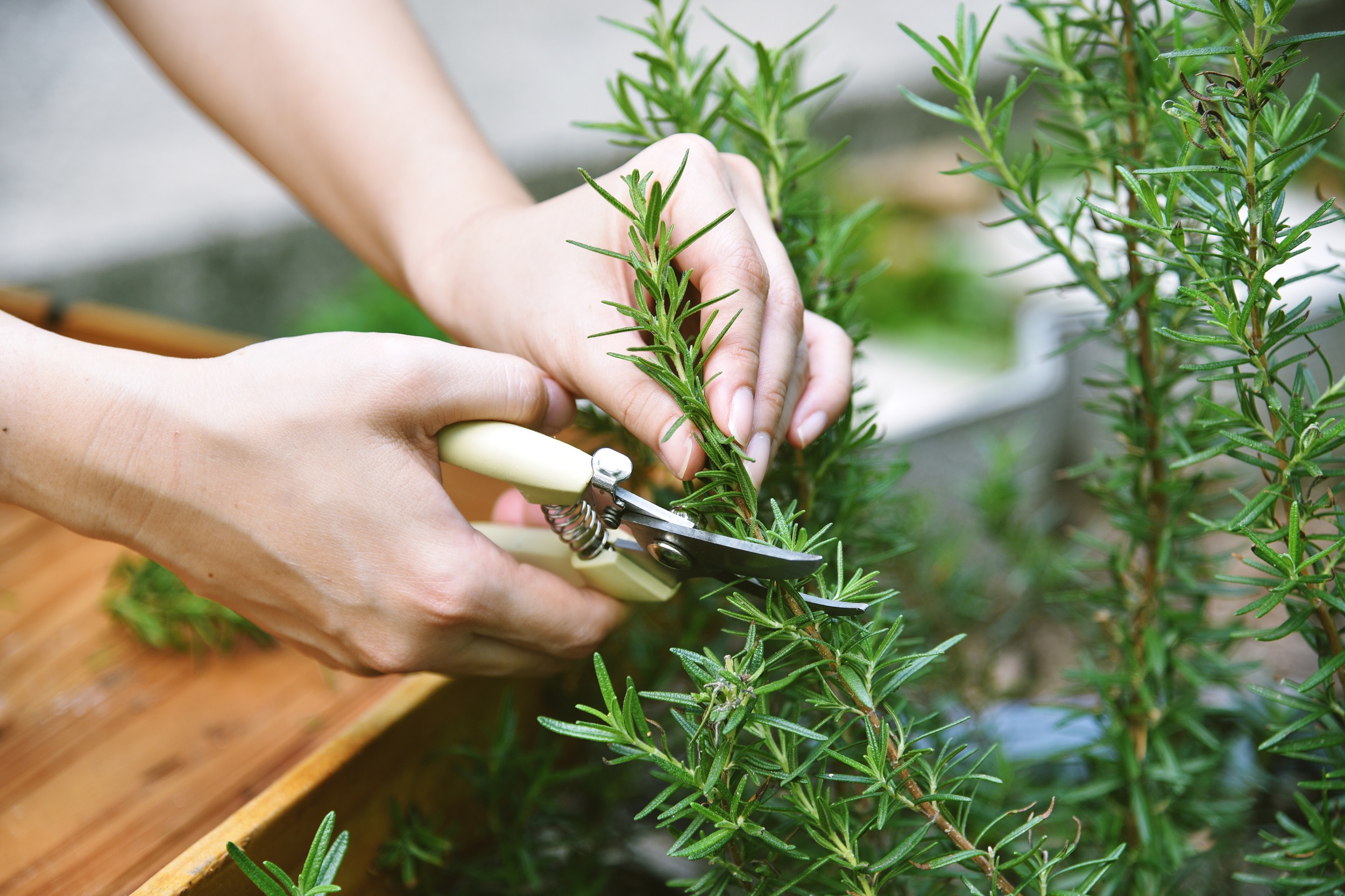
Q: Can you tell us more about how rosemary helps repel ticks?

A: Absolutely. Rosemary emits a strong aroma that ticks find repulsive. It’s an excellent choice for gardeners because it’s not only effective against ticks but also enhances your garden’s aroma and is useful in the kitchen. Plus, it’s drought-resistant, making it a low-maintenance option for busy gardeners.

Q: What makes wormwood a good addition to a tick-preventive garden?

A: Wormwood contains absinthin, a bitter compound that’s unappealing to both ticks and their common hosts, like deer and mice. Its silver foliage adds beauty to your garden while serving as a natural pest deterrent.

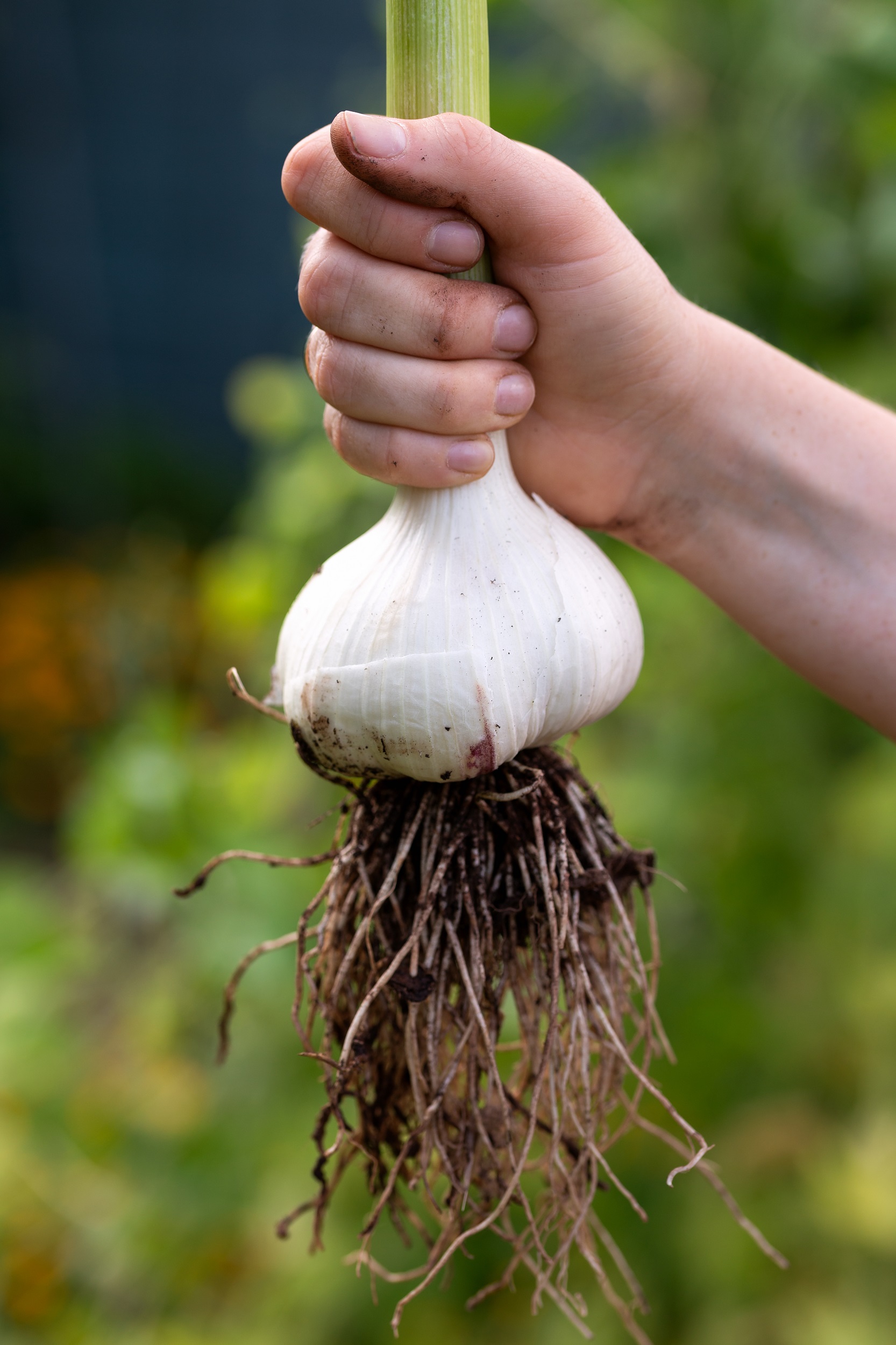
Q: How does garlic contribute to tick prevention?

A: Garlic’s strong scent is a natural pest repellent, including ticks. Planting garlic around your garden can create a barrier that ticks are likely to avoid. It’s also a bonus for gardeners who love cooking with fresh herbs.

Q: Mint is known for its invasiveness. Is it still worth planting for tick prevention?

A: While mint does require careful management to prevent it from taking over, its strong scent is highly effective at repelling ticks. I recommend planting mint in containers to keep it contained while leveraging its tick-repelling properties. It is also a wonderful culinary herb that makes for a healthy and flavorful addition to dishes, sauces, and drinks.

Q: Geraniums are beautiful but toxic to pets. How do they fit into tick prevention?

A: Geraniums contain geraniol, which is effective against ticks. However, their toxicity to pets means they should be used with caution. If you have pets, consider placing geraniums in areas your pets don’t access or choosing other plants from this list.

Q: Marigolds are bright and cheerful. Do they repel ticks?

A: Yes, marigolds emit a fragrance that ticks dislike. They’re easy to grow and can add a protective and colorful edge to your garden.

Q: Can you explain how chrysanthemums contribute to tick prevention?

A: Chrysanthemums contain pyrethrin, a natural insecticide that repels ticks. Incorporating these flowers into your garden can provide a natural defense against ticks while adding beauty to your landscape.

Q: Lemongrass is often associated with citronella. How does this plant help in repelling ticks?

A: Lemongrass contains citronella oil, which is a well-known insect repellent. Planting lemongrass can help keep ticks at bay, and it offers the added benefit of being a delicious culinary herb. Its tasty tea is research-proven to help fight off infections and reduce cholesterol.

Q: Any final thoughts or advice for our readers?

A: While incorporating tick-repelling plants is a powerful strategy, it’s important to approach tick prevention holistically. This includes regular yard maintenance, using personal repellents, and conducting tick checks after outdoor activities.

Additionally, I encourage everyone to gain in-depth knowledge by accessing the free, accredited Continuing Medical Education (CME) courses on vector-borne and environmental illnesses offered by the Invisible Education Initiative, funded by the Montecalvo Foundation. These resources are invaluable for both clinicians and the public in understanding and combating tick-borne diseases.

Further Reading and Resources

Centers for Disease Control and Prevention (CDC): Tick-borne Diseases

Gardening Know How: Using Plants for Natural Pest Control

Finally, don’t forget to do your tick checks!

By incorporating these tick-repelling plants into your garden, you can enjoy the outdoors with a little more peace of mind, knowing you’re taking steps to protect yourself and your loved ones from tick-borne illnesses.

SOURCE: Invisible International

For more: