Archive for the ‘Herbs’ Category

Top 5 Herbs to Fight Free Radicals and Boost Your Immunity

https://vitalplan.com/blog/top-5-herbs-to-fight-free-radicals-and-boost-your-immunity?

Top 5 Herbs to Fight Free Radicals and Boost Your Immunity

By Dr. Bill Rawls Posted 04-24-2020

A strong immune system has always been essential for good health, and it’s even more vital in these uncertain times. Not only do we need solid internal defenses to fight viruses and other illnesses, they also help keep us healthy while we manage the increasing amounts of psychological stress we’re all dealing with — from a bleak news cycle, worry about our loved ones or ourselves, disrupted routines, close quarters, and a number of other things out of our control.

While there are many ways to bolster your immune system, one approach is through controlling or balancing free radicals. You probably have a general sense of what free radicals are — as well as their “opposite,” antioxidants. At least, perhaps, you understand that free radicals are usually “bad” and antioxidants are “good.”

But the story is much more nuanced, and it’s worth understanding the details in order to take a strategic approach to improving immunity.

Free Radicals: The Good, The Bad, The Ugly

Here, five must-know facts about free radicals:

1. Your Body Needs Free Radicals to Live.

The human body uses oxygen to make a specialized type of free radical called reactive oxygen species. These act as a sort of catalyst, plucking electrons off carbohydrate and fat molecules to destabilize them, which allows your body to more easily convert those nutrients into usable fuel for energy. Without them, you’d die.

2. Free Radicals Indiscriminately Break Down Molecules.

The problem is that mitochondria — the power plants of cells — and every other part of the body are made of similarly high-energy organic molecules like fats and carbohydrates. And so they’re equally susceptible to being destabilized by free radicals.

In other words, the free radicals the body produces to help it more easily generate energy can destabilize whatever other molecules are in the vicinity. That means they also end up breaking down mitochondria and affecting DNA — it’s the price of generating energy.

3. The Immune System Employs Free Radicals for Its “Cleanup Crew.”

Free radicals are deployed by your immune system to break down old cells and other cellular “debris.” That makes it easier for your body to clear them from your system.

Similarly, the immune system uses free radicals to help attack, destabilize, and dispose of harmful microbes in your system. In short, we have to put up with a certain amount of free radical damage in order to both produce energy and keep our bodies from becoming a sludge pile of cellular waste and harmful microbes.

That residual damage is essentially what ages us over time or contributes to illness. It’s why older adults are often more vulnerable when they get sick: More of their mitochondria and DNA have burned out from free radical damage, and more cells have died.

As for the cells that remain, they don’t produce as much energy, and DNA doesn’t reproduce as healthy of cells — including cells of our immune system. So, in older folks, immune systems don’t hum along at quite the same pace as they do in younger people.

4. Antioxidants Help Maintain Balance.

Antioxidants that the body produces and that you get from plants like fruit, vegetables, and herbs help control free radicals by neutralizing their activity; they donate an electron so that the free radical can’t pluck it off a cell. They essentially help police the free radicals so that there’s enough activity to do their job of breaking down fuel and debris while minimizing the damage to healthy tissue, mitochondria, and DNA.

5. Damaging Free Radicals Are All Around Us.

Along with the free radicals your body naturally produces, there are a number of other sources and types we’re exposed to. For example, the refined fats in many processed foods are very brittle and break apart easily, and those pieces then turn into damaging free radicals.

city view hidden my smog

Other aspects of processed foods, as well as pollutants and toxins in the air and pesticides in food, likewise act as free radicals in our system. Psychological stress can also set off a chain of events that trigger excess free radicals and damage.

The Free Radical-Inflammation Cycle

When cells are under stress from free radicals, they must work harder and produce more energy to try to keep up. But the harder cells have to work and the more energy they produce, the more free radicals they produce. That then also leads to more waste byproducts.

What’s more, because it’s the job of the immune system to clear up that waste — which it uses free radicals to do — more free radicals flood your system, creating a vicious cycle. All together, it puts an enormous amount of strain and pressure on your body’s systems, and particularly your immune system.

What starts happening: The immune system can’t keep up with the buildup of cellular debris and other waste. And, it’s so preoccupied, it can’t manage the waste and byproducts generated by your body’s microbes, either. All of that waste builds up around cells, creating what we think of as harmful inflammation — it’s as if your body’s sewer system gets clogged and starts backing up.

Conversely, under more normal circumstances, the healthy action of free radicals leads to some inflammation. When it’s kept in check, it’s a controlled burn. Think of how forest rangers might set small fires under safe conditions to help maintain the health of a forest and reduce the risk of larger fires down the road. The same is true in your body: A normal inflammatory response is not only good, it’s necessary for life.

fire growing in dark image

But just as with forest fires, problems occur when the flames rage uncontrolled. When free radicals overwhelm your antioxidant defenses and waste builds up, it triggers chronic or uncontrolled inflammation.

And that can ravage your system over time, contributing to a whole host of problems. For example, it can increase your risk of heart disease, stroke, chronic illness, and more, as well as accelerating the breakdown of cells — including immune cells.

Maintaining Balance is Key.

The goal, then, is to limit external sources of free radicals and maintain a careful balance of internal sources of free radicals. You can’t stop those produced from cells as they generate energy, and you need those produced by the immune system to clean up our body’s waste byproducts.

But you can reduce the influx of free radicals from external sources, and you can take other actions to protect your cells from becoming stressed and keep your microbiome in balance, which curbs runaway inflammation. Here’s how:

Freshen Up Your Diet

Minimize your intake of processed and high-carb foods, which increase free radical activity and inflammation. Instead, load up on more fresh, antioxidant-rich fruits, vegetables, and other plant foods.

Iridescent food. Creative composition made of fruits and vegetables in rainbow colors on white background, flat lay

Brightly colored fruits and veggies, especially, like berries and leafy greens, as well as certain spices and herbs are loaded with antioxidants shown to fight free radical stress and inflammation. One review in the American Journal of Clinical Nutrition specifically found that higher intakes of fruits and veggies both reduce harmful inflammation and enhance immune cells.

Avoid Toxins.

Try to spend as little time as possible in highly polluted areas, which are known to trigger inflammation and cell death. In addition, use gentle, naturally sourced cleaning products, and eat organic foods whenever possible to minimize toxin intake.

Stay Active.

Moderate exercise helps reduce inflammation, as well as helps control inflammation-stoking stress. One study, for example, found that even just 20 minutes of activity could reduce inflammation and strengthen your immune system.

Mind Your Microbes.

An impressive 70% of your immune system is housed in your gut. The more you can feed your good gut bacteria foods that are fresh, fiber-rich, and plant-based, the better. The microbes will be less stressed, and better able to help send and receive messages, enabling your immune system to more effectively respond to threats and control unnecessary inflammation.

Taking herbs known to balance the good microbes in your gut and support your immune system is also a great strategy. Three of my favorite herbs for balancing the microbiome are andrographis, cat’s claw, and berberine.

The Power of Herbs

In addition to consuming antioxidant-rich produce, nuts, and other plant foods, herbs offer an excellent line of defense against free radicals and extra support for your immune system. Here’s why.

Over the centuries, all plants developed antioxidant defenses to protect themselves from various environmental stressors. And that’s especially true of herbs, many of which are still cultivated in the wild, where they’ve been able to retain naturally high levels of antioxidants and other beneficial compounds. Or, they’ve been specifically cultivated for potency, not for taste.

Herbs with alternative medicine herbal supplements and pills

So, which herbs are best for fighting free radicals? All of them do, to some extent, but there are two smart strategies you can use when picking herbs to optimize your benefits.

First, combine synergistic herbs that come from different environments. If the environment in which an herb evolved and the stress factors it deals with informs its defenses system, it makes sense to consume herbs that come from both high and low altitudes, warm and cool climates, for example. That will give you the broadest action and support possible.

Second, consider herbs’ other properties beyond being effective antioxidants. For example, look for herbs that also help balance hormones or your microbes, or that shore up communication between parts of the immune system. That way, you not only address the damage done by free radicals, but you get the additional supportive benefits as well.

5 Antioxidant, Immune-Supporting Herbs

While many different herbs could be on this list, these five provide potent and broad benefits, not only in terms of their antioxidant power, but in their overall ability to support your immune system, health, and longevity.

1. Rhodiola

Rhodiola rosea blossom by springtime at solar day.Beautiful green background

An adaptogen that grows primarily in harsh, Northern climates including Siberia, rhodiola helps the body manage and become more resistant to stress — both physical and emotional. It also supports and protects immune function and cells, helps balance hormones, and may enhance energy and stamina. One review, for example, noted that the herbal extract has been found to have both anti-inflammatory and immune-stimulating properties.

2. Reishi Mushroom

reishi mushrooms growing on wood

Although a fungi, reishi is often referred to as an herb because of its range of benefits. As a fungi, though, it naturally confronts excess stress from microbes, which gives it specialized powers to help rev up our own immune system against pathogenic microbes. That helps keep our microbiome — and, by extension, our immune system — balanced and healthy.

Research also suggests reishi may help increase the activity of immune cells and boost production of cytokines, cells in the immune system that act as messengers or effectors of other cells. Other studies have found reishi extract bolsters the activity of two of our body’s natural antioxidant enzymes — superoxide dismutase and catalase — which help fight damaging reactive oxygen species.

3. Turmeric

Turmeric powder in white cup.

This spice, which gives curry its bright yellow color, is loaded with antioxidants called polyphenols. While these antioxidants are effective at controlling free radicals, researchshows what traditional medicine practitioners have known for centuries: That turmeric is also a potent anti-inflammatory. That means, while it controls inflammation through its effect on free radicals, it’s also helping to regulate the messaging systems of the immune system and your body’s inflammatory response.

Over-the-counter anti-inflammatories like ibuprofen, for example, do this by blocking an enzyme called COX-2, which “turns on” inflammation. But these drugs don’t do anything to stop the source of the inflammation, and they also block COX-1, a beneficial enzyme that helps protect our stomach.

Turmeric, on the other hand, decreases the formation of COX-2 in the long term, while its antioxidants help address the cause of inflammation. It also doesn’t impact COX-1. So, in the long run, turmeric helps better regulate and normalize the body’s inflammatory response.

4. Shilajit

black shilajit powder pile in front of mountain view

Another example of an “herb-adjacent” compound — meaning not technically a herb but often discussed with other herbs or referred to as one — shilajit is actually a herbomineral substance. Found in the Himalayan, Ural, and Caucasus Mountains, it seeps out from between rocks as a gummy substance (before it’s processed and purified into a useable form), the result of plant materials being compressed into the earth and decomposing.

Because of that, shilajit is concentrated with antioxidants from a variety of different plant sources. Much of its antioxidant properties comes from fulvic acid, which is produced from organisms in the soil.

In addition to its antioxidant powers, the acid may help regulate immune function and improve gastrointestinal function, according to research. It’s also known to help improve resistance to stress and guard against inflammatory conditions.

5. Gotu Kola

green Got Kola leaves

Unlike many of the other herbs and substances mentioned here, gotu kola grows primarily in tropical and subtropical locations, including the South Pacific, Southeast Asia, and India. The herb itself is a member of the carrot family, although it’s closely related to and resembles parsley. In India, it’s even eaten as a leafy green, and it’s known for its content of antioxidant nutrients, including vitamin C and carotenoids.

However gotu kola contains other powerful antioxidant phytochemicals, too, including triterpenes. It’s also a natural mood stabilizer that may help balance and manage the stress response by revitalizing the central nervous system and promoting production of GABA, a neurotransmitter linked to calm and relaxation, suggests a paper the journal Evidence-Based Complementary and Alternative Medicine. For those and other reasons, it’s traditionally been used as a general longevity and brain tonic.

While there are a lot about these times we can’t control, one thing you can do is take care of your immune system. Support it, so that it can better support you and keep you healthy now and for the long-term.

References
1. Srivastava, Kaushal K. and Kumar, Ratan. “Stress, Oxidative Injury and Disease.” Indian J Clin Biochem. 2015 Jan; 30(1): 3–10.
2. Pahwa, Roma et al. “Chronic Inflammation.” StatPearls. Retrieved from: https://www.ncbi.nlm.nih.gov/books/NBK493173/
3. Serafini, Mauro and Peluso, Ilaria. “Functional Foods for Health: The Interrelated Antioxidant and Anti-Inflammatory Role of Fruits, Vegetables, Herbs, Spices and Cocoa in Humans.” . 2016 Dec; 22(44): 6701–6715.
4. Harvard Women’s Health Watch. “Foods that Fight Inflammation.” 2018, November 7. Retrieved from: https://www.health.harvard.edu/staying-healthy/foods-that-fight-inflammation
5. Hosseini, B. et al. “Effects of fruit and vegetable consumption on inflammatory biomarkers and immune cell populations: a systematic literature review and meta-analysis.” Am J Clin Nutr. 2018 Jul 1;108(1):136-155.
6. Lodovici, Maura and Bigagli, Elisabetta. “Oxidative Stress and Air Pollution Exposure.” J Toxicol. 2011; 2011: 487074.
7. Dimitrov, S. et al. “Inflammation and exercise: Inhibition of monocytic intracellular TNF production by acute exercise via β2-adrenergic activation.” Brain Behav Immun. 2017 Mar;61:60-68.
8. Li, Yonghong et al. “Rhodiola rosea L.: an herb with anti-stress, anti-aging, and immunostimulating properties for cancer chemoprevention.” Curr Pharmacol Rep. 2017 Dec; 3(6): 384–395.
9. Guggenheim, Alena G. et al. “Immune Modulation From Five Major Mushrooms: Application to Integrative Oncology.” Integr Med (Encinitas). 2014 Feb; 13(1): 32–44.
10. Cor, Darija et al. “Antitumour, Antimicrobial, Antioxidant and Antiacetylcholinesterase Effect of Ganoderma Lucidum Terpenoids and Polysaccharides: A Review.” Molecules. 2018 Mar; 23(3): 649.
11. Hewlings, Susan J. and Kalman, Douglas S. “Curcumin: A Review of Its’ Effects on Human Health.” Foods. 2017 Oct; 6(10): 92.
12. Menon, VP and Sudheer, AR. “Antioxidant and anti-inflammatory properties of curcumin.” Adv Exp Med Biol. 2007;595:105-25.
13. Winkler, John and Ghosh, Sanjoy. “Therapeutic Potential of Fulvic Acid in Chronic Inflammatory Diseases and Diabetes.” J Diabetes Res. 2018; 2018: 5391014.
14. Erdogan Orhan, Ilkay. “Centella asiatica (L.) Urban: From Traditional Medicine to Modern Medicine with Neuroprotective Potential.” Evid Based Complement Alternat Med. 2012; 2012: 946259.


Heavy Metals & Their Impact on Health Podcast

https://livingwithlyme.us/episode-103-heavy-metals-and-their-impact-on-health/

Cindy Kennedy, FNP, is joined by the dynamic duo of Jane Barlow and Dr. Brandon Nielsen, who discuss how using select nutrition and herbal support can assist the body in eliminating heavy metals.

Jane Barlow is an herbalist who owns and runs Barlow Herbal Specialties. She lives in Salt Lake City where she enjoys hiking all over the mountains of Utah and teaching fitness classes. Jane loves everything natural, holistic, wellness, fitness and nutrition oriented and believes it is our right as humans to be vibrantly healthy and that if given the right tools our body knows how to heal.She believes that each of us are responsible for ourselves and the love, joy, spiritual and physical health that we experience.

She is the 2nd oldest of 14 kids and grew up in rural Idaho. Jane has two grown sons and two grandchildren.

Dr. Brandon Nielsen graduated with his doctorate in Chiropractic Medicine from SCU and his second doctorate in Naturopathic Medicine from the American Naturopathic Institute of Medicine. He has been practicing functional medicine for the past 15 years and is the founder of Emotional Stress Release. He currently resides in Utah with his wife and 4 children. He has the blessed opportunity to live by his motto of, “Living In Wholeness Every Day” by Restoring the Health of the Family.For information on a special event Dr. Nielsen has coming up, click here.

Join our Facebook group: https://www.facebook.com/Livingwithlyme.us

Check out Pursue Wellness: https://pursuewellness.us/

SHOW NOTES

What are heavy metals?
Where do heavy metals come from?
How can we avoid these toxic substances?
How does herbal support play a role in prevention and elimination?

_________________

For more:  https://madisonarealymesupportgroup.com/2020/01/12/heavy-metal-detoxification-could-aid-in-treatment-of-chronic-lyme-disease/

https://madisonarealymesupportgroup.com/2017/09/21/aluminum-flawed-assumptions-fueling-autoimmune-disease-and-lyme/

https://madisonarealymesupportgroup.com/2019/01/21/exposure-to-heavy-metals-linked-to-autism-in-children-and-vaccines-still-contain-mercury/

https://madisonarealymesupportgroup.com/2016/12/08/mercury-and-autism/

https://madisonarealymesupportgroup.com/2018/09/28/toxic-metal-pollution-linked-with-development-of-autism-spectrum-disorder/

https://madisonarealymesupportgroup.com/2018/10/22/aluminium-in-brain-tissue-in-autism/


Lymph Detox For Lyme Disease

https://rawlsmd.com/health-articles/lymph-detox-for-lyme-disease-how-to-cleanse-your-lymphatic-system?

Lymph Detox for Lyme Disease: How to Cleanse Your Lymphatic System | RawlsMD

Lymph Detox for Lyme Disease: How to Cleanse Your Lymphatic System

by Jenny Lelwica Buttaccio
Posted 3/5/20

If you’ve dealt with Lyme disease for any length of time, you’re already aware of the value that adding detoxification strategies to your treatment protocol can deliver. Detox can help you combat aggravating Herxheimer reactions, lessen inflammation, boost your energy, improve sleep, and so much more.

Most people think of the liver and digestive system when they consider where detox happens in the body, but there’s another system that plays a crucial role in detoxification that you might not be as familiar with: the lymphatic system. It’s a vast drainage network of organs, vessels, and other structures throughout the body, including:

  • Spleen
  • Tonsils
  • Thymus gland
  • Adenoids
  • Lymph nodes
  • Lymph ducts
  • Lymph vessels
  • Lymph capillaries
  • Mucous membranes of the bowel

These well-coordinated structures actively move the lymph, a colorless fluid containing pathogen-fighting white blood cells (WBCs), proteins, and salts, throughout your body. The entire lymphatic system is an integral part of your immune system. If you can keep it operating efficiently, you’ll be better-equipped to fight off Lyme disease and coinfections like bartonella, babesia, or mycoplasma.

Let’s take a closer look at some facts and information about the lymphatic symptom, and what you can do to keep it working smoothly.

What is The Lymphatic System?

Similar to the action of the cardiovascular system, many of the functions of the lymphatic system happen without much awareness on your part. However, if you’ve ever had a cold (and who hasn’t?), you’ve probably felt swollen, bean-shaped bumps in your neck — those enlarged lymph nodes are a sign your body’s working to fight an infection on your behalf.

full body diagram of lymphatic system

The function of the lymphatic system is that of a waste management center for the body. It transports lymph to the lymph nodes where it removes cellular garbage like metabolites, excess fluid, worn-out red blood cells (RBCs), toxins, infections, and other harmful substances. There, the lymph nodes evaluate the waste using immune cells (called lymphocytes), then clean and discard it.

Each of us has approximately 600 to 700 lymph nodes; the number varies depending on the size of each node, the side of the body the nodes are located on, and whether a person is male or female. Lymph nodes are located in clusters, and the main areas are:

  • Neck
  • Chest
  • Armpits
  • Abdomen
  • Groin

Once the lymph fluid leaves the lymph nodes, it is returned into the cardiovascular system by way of the right and left subclavian veins, a pair of veins found deep in the neck. Then, the whole process repeats itself.

If the lymphatic system didn’t complete the task of removing your body’s fluid surplus, the fluid would accumulate, and you’d notice swelling. Each day, the lymphatic system cleans and drains up the 3 liters of lymph.

When Lyme is Part of the Picture

In a perfect world, the lymphatic system could diligently perform its duties without interruption. But there are several factors that can throw a wrench into its sophisticated operations, including Lyme disease.

When Lyme or other chronic illness is mixed with our toxic and fast-paced world, our bodies have to contend with more cellular debris than they can handle. This leads to congestion in the elaborate lymphatic drainage system and produces symptoms like:

  • Body aches
  • Joint pain and stiffness
  • Fatigue and lethargy
  • Brain fog or Lyme brain
  • Swelling
  • Sore throat
  • A feeling of puffiness or bloating

Inflamed lymph nodes. Sick black guy suffering from sore throat at home, touching his neck, panorama with free space

It’s important to make mention of a more extreme case of an impaired lymphatic system: Lymphedema. This condition occurs when a blockage in your lymph system causes the protein-rich lymph fluid to accumulate in tissues of the body, resulting in severe swelling. Lymphedema most often occurs in one part of the body — such as an arm or a leg — but there could be instances where it develops bilaterally.

The most well-known causes of lymphedema are cancer related, such as when a cancerous tumor impedes lymph flow, or when lymph nodes are removed as part of cancer treatment or other surgical procedure. However, lymph nodes can become blocked by other means as well, such as an infection by bacteria, viruses, or parasites, and by congenital abnormalities.

Although lymphedema may not be a classic symptom of tick-borne diseases, Lyme patients can potentially develop it. Indeed, you may have heard patients describe this distressing symptom, but it’s not widely understood which of the stealth microbes may be the culprit.

Treatments for lymphedema usually involve pressure-gradient wrapping techniques, compression garments, and manual lymph drainage (MLD) from a certified therapist. But for this article, we’ll focus on minimizing lymph congestion, the milder variation of an overtaxed and overworked lymphatic system, and supporting healthy functioning.

How to Support and Cleanse Your Lymphatic System

Unlike the cardiovascular system, which has a distinct pumping mechanism that causes the heart muscle to contract and relax cyclically, the lymphatic system doesn’t have a central pump. Instead, the flow of lymph throughout the body is determined in two main ways:

  1. The contraction of surrounding muscles, tissues, and joints
  2. The contraction of specialized muscles that reside in the lymphatic vessel walls

What does this mean for you? It means that engaging those key muscles, tissues, and joints are key to supporting your lymphatic system and promoting immune health. Plus, if you needed an excuse to indulge in a massage, you’re about to get one!

Read on to learn some easy ways to detox your lymphatic system and ease congestion.

1. Get Moving.

Since your lymphatic system doesn’t have that central pump, it’s important to engage in movement and exercise as much as your body tolerates. The reason: Contracting and relaxing your muscles and moving your joints aids lymph flow. And there’s no one type of activity you must do — the sky’s the limit, depending on your own personal capabilities and preferences.

Active senior man doing gentle exercise at home.

If you’re having a rough day symptom-wise, simple range of motion (ROM) exercises like raising your arms, marching your feet in place from a seated position, and calf raises are a great place to begin. As you feel stronger, you can add in low-impact activities like yoga, Pilates, walking, biking, or swimming.

Eventually, you can move up to more intensive activities like running, high-intensity interval training (HIIT), or weight training. Exercises like rebounding on a trampoline or vibrational activities like Power Plate are thought to be particularly beneficial for increasing lymph flow and stimulating the lymphatic vessels.

Ultimately, choose an activity that’s right for your current level of fitness and the symptoms you’re trying to manage without causing a flare-up. When it comes to stimulating the lymphatic system to work more effectively, any movement is better than none at all.

2. Stay Hydrated.

Yarrow tea in a glass teapot on a green napkin, fresh yarrow flowers on a background of pale wooden plank

To keep the juices flowing (literally), you’ll want to minimize your intake of dehydrating beverages like alcohol and caffeine, in favor of more hydrating drinks like purified water, mineral water, and herbal teas. Why? The composition of lymph fluid is mainly water (a whopping 95% or so), so maintaining adequate fluid levels helps to keep lymph moving and minimize congestion and sluggishness.

Bear in mind that conditions like POTS that sometimes overlap with chronic Lyme can make maintaining appropriate fluid levels a bit tricky. In that case, adding trace minerals or a pinch of sea salt to your water can be an easy hydration fix for some people.

3. Take Supportive Enzymes and Herbs.

green sarsaparilla leaves and buds forming from ground

Taking the right natural supplements can help ease inflammation that might clog up your lymphatic system, as well as break down, bind to, and dispose of proteins, bacteria, toxins, and other substances that can lead to dysfunctional lymphatic flow. Some top recommendations from Dr. Bill Rawls, Medical Director of RawlsMD and Vital Plan, include:

  • Bromelain, papain, and peptidase: All are protein-digesting enzymes. “Having these in your system helps break down some of the proteins that contribute to inflammation,” Dr. Rawls says.
  • Turmeric: Responsible for the bright yellow color in curry, turmeric helps balance inflammatory responses.
  • Sarsaparilla: Derived from the bark of a thorny vine found in South America, sarsaparilla binds to and helps dispose of endotoxins that are released from microbes during die-off.
  • Red root: This herb is another one that binds to toxins and flushes the system. “But note that red root is a coagulant and can thicken the blood, so avoid it if you have a history of cardiovascular disease,” says Dr. Rawls.

4. Dry Brush Your Skin.

At roughly $15 to $20, a dry brush is an affordable way to detox the lymphatic system, and it’s easy to track one down at a local health food store or online retailer. Using one to create a brushing action against bare skin is thought to stimulate the lymphatic system, remove dead skin cells, unclog pores, and improve circulation.

drawing of woman body with circular arrows overly for dry brushing motions

For some people, dry brushing may have an invigorating effect. The best part of dry brushing? It takes a matter of minutes to complete — a bonus for people who have fatigue as a major symptom of Lyme disease. Here are the steps to get you started:

  1. Start by brushing one foot, using smooth strokes in the direction of your heart.
  2. Next, move to your legs — first brushing all sides of your lower legs, followed by all sides of your upper legs. Always brush in the direction of your heart. Repeat on the other leg. When you get to the backside of your legs, don’t forget to include your buttocks and back, too.
  3. Then, move to your upper extremities, brushing both sides of your palms, forearms, upper arms, and shoulders toward your heart.
  4. Finally, brush your chest and abdomen. Ease up on the pressure a bit for these areas (especially the chest), because they tend to be more sensitive than other parts of the body.
  5. If possible, follow your dry brushing routine with a shower, and use a natural moisturizer to hydrate your skin.

To find the right dry brush, opt for one with natural bristles (usually boar’s hair or vegetable fiber) instead of a synthetic one; the bristles in synthetic brushes can be too harsh on the skin. Although you can use any size brush to stimulate the lymphatic system, one with longer handles will help you reach your back more easily.

5. Explore Manual Lymph Drainage.

Manual lymph drainage (MLD) is a therapeutic massage technique that gently supports and activates the lymphatic system. A trained therapist employs a variety of hand techniques (circles, pumping and scooping motions, soft strokes, gliding, etc.) to target lymph nodes and vessels.

The type of technique used varies depending on the area of the body that’s being treated. The mild friction across the skin encourages lymph to flow less effortlessly, so no massage oil is used during a session. A typical appointment may last 45 to 60 minutes, and there’s a general sequence that each massage should follow.

Guasha face lymph draining massage with jade stone roller

In addition to its ability to detoxify the lymphatic system, MLD may also be a good fit for you if you’re looking for relief from pain or digestive dysfunction, trying to tone your parasympathetic nervous system (the calming and restorative branch of your nervous system), or exploring how different types of massage might improve Lyme symptoms. To find a certified therapist in your area, check out the MLD Institute International for massage therapists, or the Lymphedema Association of North America (LANA) for certified healthcare professionals like nurses, physical therapists, and occupational therapists.

Certainly, there’s still a lot to learn about the benefits the lymphatic system has on our health. But as you work to optimize this intricate network within the body, you’ll begin to experience more energy and vitality, and you’ll have yet another tool in your toolbox to help you heal from chronic Lyme disease and coinfections.

Dr. Rawls is a physician who overcame Lyme disease through natural herbal therapy. You can learn more about Lyme disease in Dr. Rawls’ new best selling book, Unlocking Lyme.
You can also learn about Dr. Rawls’ personal journey in overcoming Lyme disease and fibromyalgia in his popular blog post, My Chronic Lyme Journey.

REFERENCES
1. Földi M, Földi E. Földi’s Textbook of Lymphology for Physicians and Lymphedema Therapists. 2nd edition. Munich: Urban & Fischer; 2006.
2. InformedHealth.org [Internet]. Cologne, Germany: Institute for Quality and Efficiency in Health Care (IQWiG); 2006-. What are the organs of the immune system? 2010 Nov 30 [Updated 2016 Jan 20]. Available from: ncbi.nlm.nih.gov/books/NBK279395/
3. Lymphedema. The Mayo Clinic website. https://www.mayoclinic.org/diseases-conditions/lymphedema/symptoms-causes/syc-20374682
4. Lymph System. Medline Plus website. https://medlineplus.gov/ency/article/002247.htm
5. Moore JE Jr, Bertram CD. Lymphatic System Flows. Annual Reviews in Fluid Mechanics. 2018;50:459–482. doi:10.1146/annurev-fluid-122316-045259
6. Pastouret F, Cardozo L, Lamote J, Buyl R, Lievens P. Effects of Multidirectional Vibrations Delivered in a Horizontal Position (Andullation®) on Blood Microcirculation in Laboratory Animals: A Preliminary Study. Medical Science Monitor Basic Research. 2016; 22: 115–122. doi: 10.12659/msmbr.900654
___________________

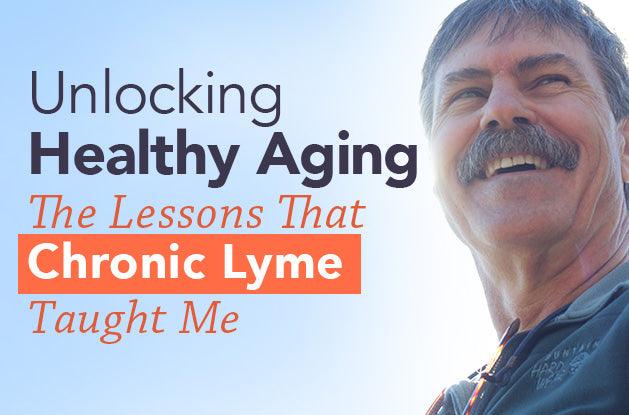
Lessons Chronic Lyme Taught Me

https://vitalplan.com/blog/how-overcoming-chronic-illness-revealed-the-secret-to-healthy-aging?

By Dr. Bill Rawls Posted 02-21-2020

At 62 years old, I’m finding it difficult to judge how old I feel. Instead of collecting symptoms over time like most people do, I’ve spent the past decade shedding them. Every year, my health has improved.

That said, let me be clear: I haven’t stopped aging — the cells of my body are still getting older. But they’re aging more slowly because I’ve learned how to properly take care of them, and I’m not being compromised by debilitating symptoms. Considering my body was a total wreck just 10 years ago, getting to this point has been a remarkable journey in itself.

The Health Crisis That Saved Me

My journey started more than 30 years ago as a conventionally-trained physician practicing obstetrics and gynecology. I chose that specialty because it was associated with promoting wellness and bringing life into the world, both of which inspired me. Oddly, however, the job itself was anything but healthy — being an OB/GYN came with a tremendous amount of stress and a rigorous night call schedule that left me severely sleep deprived much of the time.

When I was in my 30s, I could handle it. Not getting enough sleep and eating on the run was just part of the deal. From juggling a busy job in the medical profession to raising a family and being a weekend warrior, I prided myself on being able to do it all. As I moved into my 40s, however, things started to change — the resilience of youth began to fade.

Gradually, symptoms started creeping in. Less pep and stamina. A bit of stiffness in the morning. Achiness after an average workout at the gym. Indigestion. Loss of focus and mental sharpness. I chalked it up to aging, but as symptoms kept accumulating, my ability to function plummeted.

By age 47, I crashed. My whole body was falling apart. I woke up and ended every day feeling like I had a severe flu with body aches, fatigue, brain fog, and intestinal dysfunction. My stamina was at rock bottom. My knees and hips hurt so bad that it was often uncomfortable to walk. I lost the ability to sleep normally, even when I wasn’t on call.

My condition gradually deteriorated to the point that I lost the ability to take night call, which ultimately forced me to leave the medical practice I was in. It couldn’t have happened at a worse time. I still had kids in college and expenses to pay. Talk about stress — mine was through the roof!

Visits to doctor’s offices became like a revolving door. My internist ran every test and diagnostic protocol known, but they were all negative. The only significant finding was that my thyroid gland wasn’t functioning properly, but taking thyroid hormone did nothing to improve my symptoms.

Repeated visits to various specialists also failed to turn up a reason for my misery. I even had a cardiac catheterization because of constant chest pain and irregular heartbeats. My coronary vessels were clear, and all the doctors had to offer was yet another prescription to add to the growing list of prescriptions for all my other symptoms.

For the next several years of my life, I was trapped in the uncertainty of being dependent on the medical system, but not being helped by it either. It was a dead-end street that was carrying me nowhere. I just wanted my life back.

In the meantime, however, I had to find a way to generate income. Without a firm diagnosis, I wasn’t able to file for disability. Somehow, deep down, I felt my purpose in life was figuring my situation out. I knew that if I could restore my own health, I might be able to help thousands of other people caught in a similar situation. Too many people end up in a state of chronic illness managed with drugs — alive, but not living.

Ultimately, I did the only thing I thought I could do: I started a solo practice in gynecology and primary care. It relieved me of night call, and gave me the control I needed to figure out my situation. The theme of the practice was “promoting wellness,” though I still wasn’t quite sure what that meant.

Some things were obvious, however. I had to admit that I’d been driving myself into the ground for many years. Though I had always promoted healthy eating in my practice, I rarely followed my own recommendations. I liked being busy, rarely took downtime, and often let the stress in my life add up until it was oppressive.

My biggest issue, however, was chronic sleep deprivation. I had rarely slept when I was on call, but I also didn’t allow time to sleep adequately when I wasn’t on call. As a result, I had become dependent on sleep medication. All those things had to change.

Dr. Rawls at work as a doctor while also sick, talking to people

It would take years to get free of relying on sleep meds, but eventually I was able to enjoy the benefits of normal sleep again. Even exercise, which had been my one health virtue, had to change — I had to learn to exercise in a more gentle and restorative way that didn’t aggravate my inflamed tissues.

I was well versed in nutrition and knew what constituted a healthy diet; now I just had to stick to it. So I switched to organic foods where it mattered, and took other steps to clean out toxins from my living environment. I couldn’t totally eliminate stress, but I found ways to cope with help from qigong, yoga, and meditation.

Improved health habits alone, however, were not enough for me to regain my health. I also recognized that drugs were just masking my symptoms, and that the medical system writ large is too focused on bandaiding health concerns instead of identifying and addressing the underlying causes. I wanted my health and my life back, which meant finding therapies that restored the natural healing capacity of my body. There had to be other options, and I was determined to find them.

I devoured books on alternative medicine and studied different types of alternative therapies. I attended numerous conferences on holistic and integrative medicine, and ultimately became certified in holistic medicine. I explored anything that might be credible and didn’t pose significant risk. I worked with energy healers, had acupuncture treatments, took elaborate regimens of nutritional supplements, detoxed, fasted, and tried a variety of different diets.

With my newfound knowledge and plenty of trial and error, my health improved, and just as importantly, I learned new ways of helping my patients overcome illness without being overly dependent on medical therapy. But despite all my progress, I wasn’t where I wanted to be in terms of personal health. I still felt like I was dragging a ball and chain on most days, and couldn’t figure out why.

Turns out, life had one more curveball for me: I discovered that I was harboring the microbes associated with Lyme disease. For a short while, I thought I’d found the answer to my misery, but after multiple rounds of antibiotics left me sicker than when I started, I had more questions than answers.

Oddly enough, however, my Lyme disease diagnosis ended up being my final turning point. It opened a door to better understanding of chronic illness in general, and led me to the one therapy that ended up being my ultimate salvation: Herbal therapy.

In my search for alternative solutions to Lyme disease, I became aware that many people have had success overcoming chronic Lyme using herbal therapy. You might be thinking, herbal therapy isn’t strong enough to do anything. That’s what I thought at first, too. I had tried various herbal preparations from the grocery store, primarily to alleviate symptoms, but found them wanting.

Retrospectively, I shouldn’t have had high expectations for the low quality herbal preparations I was using. Once I dug into the modern research and rich traditional history of herbs, and started using high quality extracts in the combinations and doses that had shown benefit for other people, my health started improving immediately.

Dr. Bill Rawls riding his bike, smiling

I saw a significant change within a few months, and in the following years, I got my health back completely. The herbs were addressing every aspect of my illness: They calmed the runaway inflammation that was making my life miserable; they suppressed the Lyme microbes; they restored the ability of my immune system to manage my microbes. I came to deeply appreciate their natural defenses.

That’s not where my story ends, however. The close of this chapter led me right into my second chapter, where I discovered that all the lessons I fought so hard to learn revealed the answer to another, universally human question. It was one I hadn’t dared to ask myself when I was so ill: How can I keep living as long as possible and enjoy it with plenty of energy and vitality — instead of with all the symptoms and decline that can make getting older so miserable?

Turns out, I already had the answer — I just didn’t know it yet.

Beyond Illness: The Real Reasons We Age Too Fast

As my life continued its turn for the better, I began to recognize that not only were my symptoms of chronic Lyme retreating, but so were those I had just assumed were the unavoidable side effects of getting older — joint issues, feeling drained, mood changes, lack of mental clarity. And the more consistently I took the herbs, the better I felt both physically and mentally.

I was so intrigued by what was going on beneath my skin’s surface, that I immersed myself in the study of how herbs might be affecting the processes of aging, too.

My timing was good. More is known now about why the body ages than ever before, and there has been an enormous amount of research verifying traditional uses of herbs and exploring how they work. That said, aging is an incredibly complex process, and I won’t pretend otherwise, or that eliminating it is even possible. But I do think I can pinpoint the main causes of aging, and more importantly, some key factors that accelerate it.

Abstract human cells in division phase

In short, we age because our cells die. We’re made of trillions of living cells, all working in harmony to keep us alive and going, that accumulate until we reach peak adulthood around age 20. After that point in time, the number and quality of cells in the body gradually decline.

How long you will live is a function of how many cells you start with at peak adulthood, and how fast you burn up cells as you go through life. If cellular burnout occurs at a rate that overwhelms the immune and detoxification systems in the body, symptoms — and eventually illness — occur.

So what increases the rate of cellular burnout? Stress — but not just the kind you’re thinking of. The modern world has become dominated by five stress factors that play different but pivotal roles in how quickly cells deteriorate.

The 5 Key Aging Accelerators

System Disruptor_unnatural diet

Poor Diet

The excess of refined carbohydrates and bad, polyunsaturated fats that have become a signature of the modern processed-food diet are extremely damaging to cells and all systems in the body. For starters, you’re likely not getting all of the vitamins, minerals, amino acids, and other nutrients found in fresh fruits and vegetables that your cells require to function properly.

Plus, all those simple carbs and unhealthy fats do damage by a variety of mechanisms:

  • Carbs are highly reactive molecules that stick to other molecules, especially proteins, and gum up the operative machinery inside cells. This collapses collagenand other supportive molecules, stresses cells, and accelerates their burnout.
  • Excess carbohydrates also cause chronic elevations in insulin, the hormone that regulates glucose. High insulin causes a cascade effect that disrupts all other hormone pathways in the body and has been associated with immune dysfunction and diabetes.
  • Starches and sugars flood mitochondria with fuel and accelerate the burnout of mitochondria, the powerhouses of cells that turn nutrients into usable energy. It’s like pouring coal into the engine of a steam locomotive while it’s sitting on the tracks with the brakes on — the engine is going to overheat and burn out.
  • Excess dietary carbohydrates stimulate growth of unfavorable microbes in the gut, causing digestive dysfunction and a leaky gut that overwhelm and stress the immune system and generate systemic inflammation.
  • Fats that are refined using heat and chemicals break down into potent free radicals that damage the membranes of cells, which are essential for healthy cellular functions.

System Disruptor_toxic environment

Environmental Toxins

There are as many as 200,000 manmade chemicals in our environment today that did not exist 100 years ago. Most are derived from burning coal and the use of petroleum and petroleum products, and they have varying levels of toxicity.

Though concentrations of specific toxins are rarely high enough to be lethal, cumulative exposure has been shown to impair cellular health. Here are some of the ways toxins wreak havoc in the body:

  • Bind with macromolecules (DNA, RNA, proteins), causing direct cell injury and possibly cell death (cytotoxicity)
  • Inhibit normal enzymatic processes in the body
  • Damage cell membranes
  • Cause gene dysregulation (turn on bad genes)
  • Inhibit normal immune function
  • Create free radicals or act as free radicals, increasing the burden of oxidative stress
  • Mimic chemical messengers in the body, disrupting biological processes
  • Mimic hormones in the body (i.e., xenoestrogens from plastics and pesticides increase risk of hormonally active cancers such as breast, prostate, and uterine cancers)
  • Toxic heavy metals including aluminum, lead, mercury, and uranium directly poison enzymes, adversely affecting all functions in the body.
  • Contribute to decline in liver function with aging

System Disruptor_chronic stress

Chronic Stress

The act of surviving amidst the elements has always been a struggle for humans. But the nearly nonstop psychological stress of living in a world with a 24-hour news cycle and constant digital connection to our bosses and inboxes escalates the stress of daily living to a whole new level.

Chronic stress over-activates the fight-or-flight response, which drives cells harder and burns them out faster. It also disrupts communication systems in the body, including hormones and the nervous system, creating inefficiencies that stress cells and cause them to burn out faster. And chronic stress slows gastric and intestinal mobility, which compromises digestive function and promotes overgrowth of unfavorable bacteria in the gut.

Most importantly, chronic activation of the fight-or-flight response disrupts sleep — the body cannot repair itself without the downtime allowed by sleep. The immune system is especially vulnerable to the negative effects of chronic stress and sleep deprivation.

System Disruptor_sedentary lifestyle

Sedentary Lifestyle

Historically, this category — which is really about physical stress to the body — would have been marked by acute trauma to the body, excessive physical exertion that breaks the body down, and extremes in temperature or pressure. But in the modern world, the chief physical stress is being too sedentary.

Today, most people have desk jobs, and prolonged inactivity is characteristic of modern life. The human body, however, is designed to move. If regular physical activity doesn’t happen, the body becomes sluggish, toxins back up, and inflammation ensues. Over time, excessive or ongoing inflammation contributes to the breakdown of healthy cells and normal tissue.

System Disruptor_microbes

Microbes

All living organisms are colonized by microbes, some of which have always been a threat to human life and health. But that threat is growing, thanks in large part to the first four cellular stressors, discussed above. They damage immune cells just as much as other cells, and over time, the damage becomes bad enough to disrupt the immune system’s ability to keep a healthy balance of good and bad microbes.

As a result, bad microbes are able to thrive, and they become a primary stressor to cells. In fact, the more I learned about the microbes we harbor, the more I realized just how big a threat they are to our longevity.

Microbes Are the Most Overlooked — and Underrated — Factor in Accelerated Aging

The sum of all the microbes that inhabit the human body is referred to as the microbiome. With 40,000 different species possible, the microbiome is much more complex than anyone ever imagined. Though it was once thought that microbes were isolated to the skin, nasal passages, and gut, a growing body of research has shown that the microbiome extends to all tissues of the body — including the brain.

It’s true, studies have shown that microbes can travel from the gut to other parts of the body through the bloodstream. They can also travel from nasal passages into the brain. Several studies have confirmed that brains from healthy people contain hundreds of species of microbes.

Borrelia infection in the blood. Borrelia bacteria.

Microbes also have been found in joint, heart, and other tissues in the body — not just in people who are ill, but in healthy people, too. All the evidence points to the fact that having microbes in tissues is a normal state.

What the microbes want is to pirate vital nutrients and resources — they must have a living host like you to survive. Though we have a mutually beneficial relationship with most microbes that inhabit the body, we all harbor potentially aggressive microbes that can cause harm if given an opportunity.

You depend on a healthy immune system to keep your microbes in check. If your immune system is healthy, you won’t hear from any of them. But if your immune system falters, the microbes gain strength in numbers, and they start robbing cells of nutrients, resources, and energy.

This stresses and weakens cells, causing them to age faster. And you start to feel it, quite literally. It can manifest as stiff and painful joints, brain fog and memory loss, digestive distress such as constipation or abdominal pain, notable changes in mood, and all sorts of other symptoms we generally attribute to aging.

In particular, microbes further weaken the immune system and disrupt cellular communications. When the cells don’t communicate properly and can’t work in synchrony, everything in the body becomes dysfunctional, and wastes back up. Early on, you might experience mild symptoms like fatigue and malaise, but as conditions worsen, it can turn into full-fledged chronic illness — like it did for me.

Here’s the biggest catch: Your immune cells age, but your microbes don’t. What I mean by that is, your immune cells age just like all the other cells in your body, often accelerated by the stress factors I discussed above (poor diet, toxins, stress, and inactivity). Your microbes, however, don’t age in the same way that your cells do.

Microbes have incredibly low mutation rates, which means the new microbes they generate tend to be just as functional as the old ones. Essentially, they stay forever strong. This means keeping your immune system strong becomes increasingly more important as you age to prevent your microbes from overrunning your cells. One example of just how steadfast microbes are: When we die, and our immune system is no longer wrangling microbes, they take over and consume our body — that’s decomposition.

Learning this revealed to me why herbs can be such a vital ally for longevity — and why I had been experiencing such a resurgence in my own energy and health levels just as they were supposed to be waning.

Why Herbs are the Missing Link to Optimal Aging and Vitality

Of course, I can’t credit herbs entirely for my recovery or my new lease on life. I know that all the other efforts I made to eat a more whole-foods diet and to minimize stress, toxins, and inactivity were a key part of restoring strength to my immune system and all the cells of my body.

But I also know that those lifestyle changes only got me so far, and that introducing herbs to my daily regimen gave me the leg up I needed to get over that final hump. I saw the same thing in the thousands of patients I’ve helped overcome chronic illness with herbs, who’ve gone on to enjoy active and fulfilling lives. Now, after so many years of research on herbs and the human body, I understand how the plants deliver such vital benefits.

tan herbal supplement in a wooden bowl

The benefits of herbs come from biochemical substances called phytochemicals. A plant produces several types of phytochemicals to protect itself from stress factors, including (but certainly not limited to):

  • Antimicrobials: These phytochemicals defend against microbes like bacteria and fungi that threaten plant health.
  • Immunomodulators: They not only stimulate NK (natural killer) cells and other key white blood cells of the immune system, but they also reduce damaging inflammation.
  • Antioxidants: These protect the plant’s cells at every level from free radicals, which can damage parts of the cell such as the outer membrane, proteins, DNA, and mitochondria.
  • Anti-inflammatories: antioxidants found in herbs counteract inflammation, but herbal phytochemicals also downregulate the inflammatory process.
  • Regulators: Phytochemicals also have regulatory functions that help balance all of the plant’s hormones and signaling mechanisms. Because plants and animals evolved together, the same substances balance hormone pathways, such as the hypothalamic-pituitary-adrenal axis or HPA axis, which facilitates the body’s stress response and secretion of hormones, like cortisol (a stress hormone), quickly and efficiently. This normalizes circadian rhythm, supports normal sleep, and improves tolerance to stress.

All of these phytochemical powers take the stress off plant cells and enable them to function better and use energy more efficiently. When cells are less stressed and more energy efficient, they burn out at a slower rate. That translates to healthier cells and a reduced rate of cellular loss.

And here’s the exciting news for us humans: Because plants and animals coevolved, when we consume the protective plant phytochemicals by taking herbs, we gain all the same age-decelerating benefits. In essence, we adopt the plant’s natural defenses and protective properties.

Which herbs you take, however, matters, as types and levels of phytochemicals can vary significantly from plant to plant. When I was in the middle of my struggle with Lyme, I chose herbs that stimulated the immune system and provided significant antimicrobial properties. After my health was restored, I shifted to herbs called adaptogens, which are known for their restorative and normalizing properties.

Adaptogens are a subset of tonics, a category of herbs that help contribute to a longer life by having an overall balancing or normalizing effect on all the functional systems of the body. They improve your resilience to all types of stress, and give you an extra leg up on achieving wellness at any age. Though definitions vary slightly, I believe adaptogens share these three key characteristics:

  • All adaptogens have antistress qualities that help provide stabilizing effects on the neuroendocrine system, especially the HPA axis and Sympathoadrenal System (SAS), which plays a crucial role in our response to external stimuli.
  • All adaptogens help modulate and/or enhance the immune system.
  • All adaptogens inhibit mitochondrial dysfunction induced by the stress hormone cortisol.

Best of all, because adaptogens don’t cause dependency or have drug-like properties, they are typically well tolerated when taken on a daily basis and have a very low incidence of side effects and toxicity. My three favorite adaptogens include rhodiola, reishi mushrooms (not technically herbs, but just as potent and beneficial), and shilajit, a byproduct of plant materials that have been compressed into the earth.

pink and yellow rhodiola flowers growing off tall stems

I would recommend taking these adaptogens daily to anyone who wants to boost their longevity and overall vitality. For even more impressive results, pair them with adaptogen companions like turmeric and gotu kola, which have some but not all of the same characteristics, plus they complement and enhance adaptogen’s powers.

Does taking these herbs relieve you of having to improve your diet, exercise more, and minimize stress and toxins in your life? No. But they can help pick up the slack of the occasional burger and fries or lazy weekend of binge-watching Netflix. After all, no one is perfect — and what’s the point of living longer if you can’t treat yourself to a favorite guilty pleasure every once in awhile?

Since learning about the wonderful benefits of herbs, and particularly adaptogenic herbs, I’ve made it my life’s mission to teach others about herbs, and to get them into the lives of as many people as possible. It’s such a simple yet profound way to enhance your cellular and overall wellness!

I want everyone to enjoy the same exhilarating level of vitality that I’m experiencing now in my 60s — and that I thought I’d lost forever when I was 50 and struggling with chronic illness. I’ve learned firsthand that when you take control of your health, and focus on achieving balance and resilience (instead of just trying to quiet your symptoms), you can experience true vitality and add more life to your years.


Overcome Lyme Brain – Causes & Solutions

https://rawlsmd.com/health-articles/how-to-overcome-lyme-brain-causes-and-solutions

How to Overcome Lyme Brain: Causes and Solutions | RawlsMD

How to Overcome Lyme Brain: Causes and Solutions

by Jenny Lelwica Buttaccio
Posted 2/17/20

Forgetful. Zoned out. Unable to concentrate. These are just a few ways people describe the disconcerting constellation of neurological symptoms associated with chronic Lyme disease known as Lyme brain, a muddled mental feeling that impairs some degree of a person’s cognition.

Although the exact prevalence of the condition isn’t known, the majority of chronic Lyme patients will cycle through episodes of Lyme brain from time to time. It can be frustrating and debilitating. Missteps like showing up to a doctor’s appointment on the wrong day, forgetting to refill a prescription before it runs out, or desperately searching for your glasses only to discover they’ve been on top of your head all along can make you feel as though you’re losing your mind. Some people will even notice problems with word finding, reading comprehension, and writing.

Is there a way to stop it? Here, we look at some of the underlying causes of this neurological phenomenon, plus ways to help improve the distressing symptoms.

Cause #1: Untreated Infections

Lyme disease and Lyme coinfections like babesia, bartonella, and mycoplasmacontribute to metabolic and immune changes in the body because the microbes can be low-grade and persist for long periods of time. While no system of the body is off-limits, the central nervous system and the endocrine system are particularly vulnerable.

Germs in the blood. Leukocytes attack the virus. Immunity of the body. 3D illustration on medical research

“When pathogens invade the nervous system, white blood cells — immune cells like lymphocytes and plasmocytes — flood into the white matter of the brain and the spinal cord,” says Dr. Bill Rawls, Medical Director of RawlsMD and Vital Plan. “This causes a cascade of inflammatory immune messengers, called cytokines, in cerebrospinal fluid.”

This influx of proinflammatory cytokines causes neuroinflammation in the brain, which can contribute to a range of neurological symptoms, including those associated with Lyme brain. Because most Lyme patients have a compromised immune system, the body struggles to keep the offending pathogens in check.

The outcome? You continue to experience a prolonged inflammatory response and resulting symptoms until you’re able to suppress the harmful, stealth infections.

Solution: Suppress Harmful Microbes and Support Brain Health

To improve brain function, you’ll have to address persistent, low-grade infections. There may be a time and a place for heroic therapies such as antibioticsgut microbiome, too.

wooden spoon with herbal supplement on top, leafs underneath

A more restorative approach to subdue harmful pathogens is using herbal therapy, which has a balancing effect on the microbiome and the various systems of the body. Plus, some herbs can safely pass into the brain.

Not sure where to begin? Dr. Rawls’ preferred herbs specifically for brain health include:

  1. Lion’s Mane: This mushroom contains compounds called erinacines and hericenones, which cross the blood-brain barrier. There, they support normal levels of nerve growth factor (NGF), a peptide produced by the body that’s essential to nerve cell growth, maintenance, and survival. When NGF levels are in a healthy range, you notice that you have improved mental clarity, focus, and memory.
  2. Cat’s Claw: Native to the Amazon, cat’s claw has a long history of traditional use for the treatment of a wide range of inflammatory conditions, and it’s well-known among Lyme disease patients. The herb supports immune function and helps balance the body’s microbiome.
  3. Bacopa: A traditional Indian herb, bacopa has been used to bring balance and calm to the nervous system for thousands of years.
  4. Ashwagandha: Native to India and Africa, ashwagandha is used for its ability to balance, energize, and rejuvenate. Ashwagandha is a calming adaptogen that is particularly useful in balancing the HPA axis in the brain (the control center for hormone regulation), which leads to improved stress resistance, better sleep, and reduced brain fog.
  5. Ginkgo biloba: Ginkgo is one of the oldest living trees on earth. Current and traditional uses of the herb include enhancing blood flow, protecting brain and nerve functions, and supporting cognition.

Cause #2: Toxic Build-Up

As you treat Lyme disease, you’re likely to experience a Herherimer reaction (or herx). With the use of any antimicrobial (prescription or otherwise), a large number of bacteria die off, causing an inpouring of dead bacteria called endotoxins throughout the body. This forces the immune system’s inflammatory response into overdrive.

Bacterial die-off can also produce byproducts that are toxic to the nervous system (neurotoxic) like quinolinic acid, ammonia, and acetaldehyde, which can exacerbate cognitive symptoms like brain fog. These toxic byproducts can also come from a microbiome imbalance such as a small intestinal bowel overgrowth (SIBO) and candida overgrowth.

Solution: Augment Your Body’s Detoxification Efforts

Start with the antioxidants glutathione, alpha-lipoic acid (ALA), and N-acetyl cysteine (NAC). These were shown to help to support the liver’s ability to detoxify, mitigate the neurocognitive symptoms of Lyme disease, and lessen the accumulation of toxins as a result of treatment in a 2018 article in the journal Healthcare.

Raw yucca starch on the wooden table - Manihot esculenta.

Additionally, supplementing with molybdenum and yucca root can be beneficial, too. Molybdenum is a trace mineral that is normally present in small amounts in the body, similar to magnesium, iron, or manganese. Though a molybdenum deficiency isn’t common, adding a small amount of molybdenum — prepared in microgram doses — may help to neutralize excess ammonia and acetaldehyde and curb Lyme brain.

Similarly, the herb yucca root can be used to decrease ammonia levels. Typically, yucca comes in a capsule or powder.

Cause #3: Poor Sleep

Stress, inflammation, and infections can all disrupt your sleep, which only serves to worsen the symptoms associated with Lyme brain. Indeed, some short and long-term consequences related to poor sleep that are reminiscent of Lyme brain include mood disorders, cognitive dysfunction, memory problems, and performance deficits, among others, according to a 2017 review in the journal Nature and Science of Sleep. Sleep dysfunction alone could be the cause of Lyme brain in certain individuals.

Although it’s easy to see how a lack of sleep could be a significant factor contributing to neurocognitive issues, knowing how to improve the situation is a whole different battle. Generally, it will take some trial and error to find the repertoire of tricks and sleep hacks that will be helpful to you, but practicing solid sleep hygiene is paramount to decreasing the symptoms of Lyme brain.

Solution: Implement Good Sleep Hygiene

woman asleep in her bed, night time, white sheets

Going back to the basics of sleep hygiene can help you get a better night’s rest. They include:

  • Maintain a consistent bedtime routine. Try to go to bed and get up at the same time each day, even on the weekends.
  • Get exposure to sunlight. The majority of us spend a substantial part of our day indoors. But getting sunlight throughout the day, especially in the morning, can help to reset your circadian rhythm so you’re tired when you’re supposed to be.
  • Wind down at night. Many people with Lyme disease experience a tired-but-wired feeling when they try to go to bed — they’re utterly exhausted, but their bodies won’t calm down enough to let them drift off. If this describes you, try spending 10-15 minutes before your bedtime doing some gentle stretching to relieve muscle tension, reduce pain, and bring on the calm.
  • Turn off electronics by 9 PM. When you’re lying in bed wide-awake and waiting for sleep to come, it can be very tempting to pass the time by watching your favorite TV show or scrolling on your phone. But the blue light that’s emitted from electronic devices can disrupt the sleep-inducing hormone melatonin. So, instead of helping you fall asleep, electronic devices may be contributing to wakefulness. If you must be on your computer or phone at bedtime, try blue-light-blocking devices such as filters or glasses to keep your exposure to a minimum.
  • Make sure you have a comfortable bed. If you notice that you feel stiff or have greater pain in the morning, that’s a clue that your mattress could be an obstacle to quality sleep, and it might be time to invest in a new one. Most mattress companies will offer financing options so that you don’t need to shell out the funds all at once if you don’t have them.

Cause #4: Exposure to Mold

About 50% of homes have experienced some amount of water damage and contain mold. When exposure to toxic mold is coupled with Lyme disease and Lyme coinfections, all of your symptoms can intensify, including the cognitive issues that accompany Lyme brain, such as:

  • Trouble focusing
  • Sleep disturbances
  • Feeling lethargic
  • Mood swings
  • Delayed reaction times
  • Forgetfulness

Solution: Locate and Clean Up Moisture and Mold

cleaning of room wall from mold with metal brush

To avoid further exacerbating your symptoms, you may need to consult with a professional to safely find and remediate sources of mold in your home — a good idea in general, since doing it yourself will ramp up your exposure. In the meantime, here are some things you can do on your own:

  1. Place a HEPA air purifier in the areas of your home where you spend the most time, especially your bedroom. Reducing your exposure to mold while you sleep may help you wake up feeling more alert and refreshed.
  2. Reduce your humidity levels to as low as possible — ideally, between 30% to 50%. Dehumidifiers and air conditioners can be useful tools to keep in check the humidity mold loves.
  3. Routinely inspect your heating and air conditioning systems for mold, and if necessary, have them cleaned.
  4. Consider eliminating rugs or carpet in rooms that are known to contain high levels of moisture, such as the bathroom or basement.
  5. Keep your kitchen, bathroom, and laundry rooms well ventilated.
  6. If you have an attic, make sure the space is dry and doesn’t contain moisture.

There’s no doubt that Lyme brain can be a frightening and overwhelming symptom of Lyme disease, and many of the potential causes overlap with one another, which can make sorting things out a bit tricky. But begin to chip away at the causes as best you can. Over time, you’ll start to notice clearer thinking, improved memory, and better cognitive functioning. There is light at the end of the tunnel, and you can recover!

Dr. Rawls is a physician who overcame Lyme disease through natural herbal therapy. You can learn more about Lyme disease in Dr. Rawls’ new best selling book, Unlocking Lyme.  You can also learn about Dr. Rawls’ personal journey in overcoming Lyme disease and fibromyalgia in his popular blog post, My Chronic Lyme Journey.

REFERENCES
1. Bransfield RC. Neuropsychiatric Lyme Borreliosis: An Overview with a Focus on a Specialty Psychiatrist’s Clinical Practice. Healthcare. 2018 Sep; 6(3): 104. doi: 10.3390/healthcare6030104
2. Basic Facts about Mold and Dampness. Centers for Disease Control and Prevention website. https://www.cdc.gov/mold/faqs.htm
3. Horowitz RI, Freeman PR. Precision Medicine: The Role of the MSIDS Model in Defining, Diagnosing, and Treating Chronic Lyme Disease/Post Treatment Lyme Disease Syndrome and Other Chronic Illness: Part 2. Healthcare. 2018 Dec; 6(4): 129. doi: 10.3390/healthcare6040129
4. Medic G, Wille M, Hemels MEH. Short- and long-term health consequences of sleep disruption. Nature and Science of Sleep. 2017; 9: 151–161. doi: 10.2147/NSS.S134864
5. Overview of Minerals. Merck Manual website. https://www.merckmanuals.com/home/disorders-of-nutrition/minerals/overview-of-minerals
_____________________