
https://drturner.substack.com/p/cancer-fighters-fenbendazole-and?
Cancer Fighters: Fenbendazole and Mebendazole
Repurposing Parasite Drugs to Target Tumors and Disrupt Cancer Pathways
Mebendazole, Fenbendazole and Albendazole all belong to a class of medications called “benzimidazoles” which were originally developed as treatment for parasites. Turns out they also do nasty things to cancer cells. (What follows is not an exhaustive list, but rather highlights some of the most prominent mechanisms.)
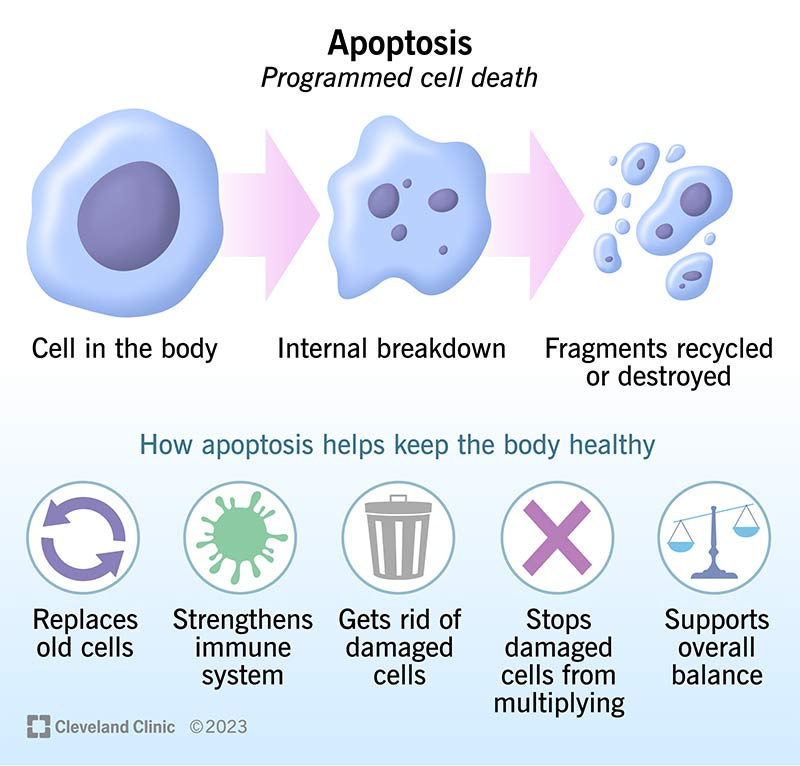
1. Induce Apoptosis (Programmed Cell Death)
Did you know that all cells have the ability to eliminate themselves by entering a process called “apoptosis”? Apoptosis is a form of guided, programmed cell death that allows the body to remove damaged, unnecessary, or potentially harmful cells in a controlled and orderly way.
For example, during embryonic development, it helps sculpt structures like fingers and toes by removing unneeded cells. In the immune system, apoptosis eliminates infected or malfunctioning cells, such as those with DNA damage, preventing them from becoming cancerous.
Turns out that these medications trigger apoptosis in cancer cells by activating pathways such as p53 and BAX.
2. Prevent cancer cells from dividing.
A cell is a 3-dimensional object that has an internal skeleton (think of it as a “scaffold”) around which the parts of the cell are attached. In order for a cell to divide, the genetic material replicates, a scaffolding system forms on the opposite end of the cell, and the the scaffold from each side reaches out and pulls the genetic material apart equally.
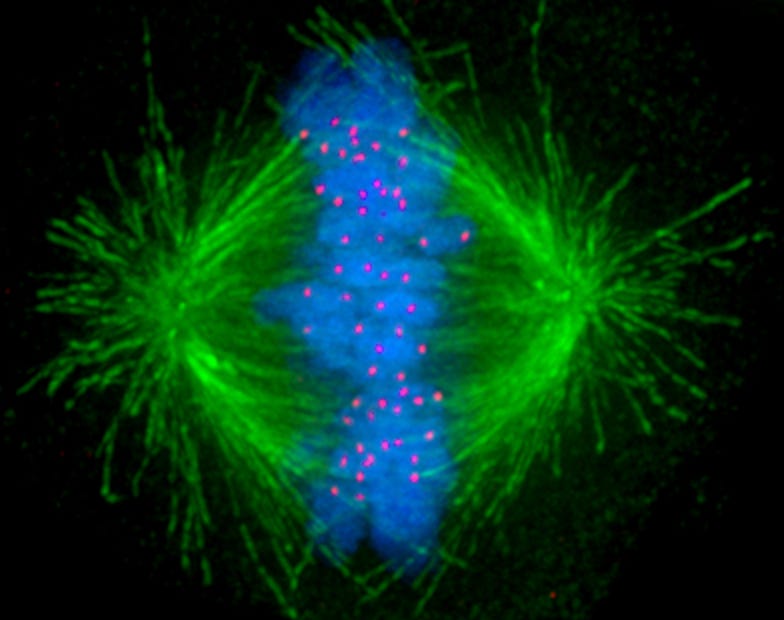
These pieces of scaffolding are called “microtubules” and if they can’t replicate and move properly, the cell is frozen — unable to divide.
Guess what?
These medications disrupt cancer cell microtubule function!
What about normal cells?
Cancer cells divide rapidly, depending heavily on microtubules for mitosis. Interruption of microtubule function thus has a disproportionately higher impact on these cells.
3. Kill cancer stem cells.
Cancer stem cells are the “seeds” that spawn further cancer growth — but they are not typically targeted by traditional approaches including radiation, surgery or chemotherapy; hence their failure rates.
Watch the video in the link above for more.
What this means, practically, is that measures should be taken to destroy cancer stem cells wherever they may be hiding.
Turns out these medications directly kill cancer stem cells.
(Extra credit: so do Ivermectin, doxycycline, metformin, atorvastatin, green tea extract (EGCG), melatonin, vitamin D3, curcumin, berberine, omega-3 fatty acid, resveratrol, aspirin, diclofenac, and phosphodiesterase 5-inhibitors)
For more reading: https://imahealth.org/cancer-stem-cells/
4. Interfere with the tumor’s ability to form new blood vessels.
In order for a tumor to grow, two essentials are needed: blood supply and energy supply (typically as glucose or glutamine; more on that next..)
So the tumor can only grow to the extent to which it can surround itself with new blood vessels. This process of recruiting blood vessels is called “angiogenesis”.
Guess what?
These medications inhibit angiogenesis (particularly by inhibiting a molecule called vascular endothelial growth factor (VEGF). So by cutting off the nutrient supply, these medications induce tumor starvation and shrinkage.
5. Inhibit Glucose Metabolism (Warburg Effect).
Normal cells have a choice of three main sources of biochemical energy: glucose, fatty acids and ketones. Cancer cells predominately rely on glucose (aka blood sugar) and glutamine—which is a vulnerability that can be exploited.
What if we interfered with the cancer cell’s ability to absorb and utilize glucose as a fuel?
Exactly.
These medications interfere with glucose uptake and utilization by “downregulating”glucose transporters such as GLUT1 and possibly hexokinase; the result is the cell is starved of energy.
Normal cells, which are less dependent on glucose as a fuel source, are less affected by these metabolic disruptions.
Here is Dr. Seyfried talking about the importance of glucose and glutamine for cancer growth:
And finally…
6. Disrupt cancer signaling pathways.
Imagine your body as a city with a traffic light system. Imagine that traffic light system operates during rush hour in a newly developing city (youth). Once the city is built (adulthood), the system mostly shuts down. But in certain rogue neighborhoods (tumors), this traffic controller comes back online and starts creating bypasses, shortcuts, and green lights for dangerous drivers (cancer cells), allowing them to speed through red zones, avoid checkpoints, and grow unchecked.
One of these traffic control systems is called the “Hedgehog (Hh) Pathway”.
Now you already know what I’m going to tell you next, right? 🙂
These medications decrease the activity of the Hedgehog pathway. (Extra credit: so does Ivermectin, Doxycycline, Vitamin D, Curcumin, and Sulforaphane.)
Treatment:
-
These medications should only be obtained from a licensed pharmacy (quality assurance) and taken under the supervision of a healthcare professional, as they are very bioactive, the dosing for cancer is different than for parasites, they interact with other medications and supplements, and require lab monitoring.
-
Mebendazole is the human form (pricey and difficult to find), while Fenbendazole is the veterinary form (a bit harder on the liver but much more affordable and accessible). (See link for article and references)
Further Reading:
IMA cancer protocol, page 94
- Why the somatic mutation theory no longer explains cancer’s true origin
- How mitochondrial dysfunction drives tumor growth
- The critical role of glucose and glutamine fermentation in sustaining cancer cells • Why targeting both fuels together is essential for effective therapy
- Emerging research on fenbendazole, mebendazole, and DON as tools in metabolic therapy
- The potential of a paradigm shift in oncology — from genes to metabolism
For more:
- https://madisonarealymesupportgroup.com/2025/08/26/case-series-self-admin-of-fenben-in-3-cancer-patients-csc-cancer-tree-updated/
- https://madisonarealymesupportgroup.com/2025/03/07/metabolic-therapies-reclaiming-cancers-achilles-heel-through-the-ivermectin-fenben-and-allulose-revolution/
- https://madisonarealymesupportgroup.com/2024/10/15/first-cancer-protocol-using-ivermectin-mebendazole-and-fenbendazole-published/
- https://madisonarealymesupportgroup.com/2025/08/05/cancer-is-reversible-prof-flavins-50-years-of-research/
- https://madisonarealymesupportgroup.com/2024/10/23/alternative-cancer-treatments-18-proven-interventions/
- https://madisonarealymesupportgroup.com/2019/12/27/an-old-drug-for-alcoholism-finds-new-life-as-cancer-treatment/
- https://madisonarealymesupportgroup.com/2023/01/03/did-you-know-insurance-will-reimburse-for-iv-therapy-holistic-treatment-for-cancer-lyme-disease-mold-toxicity/
 Madison Area Lyme Support Group