
Tick-Borne Diseases & Associated Illnesses: National Community Engagement Initiative
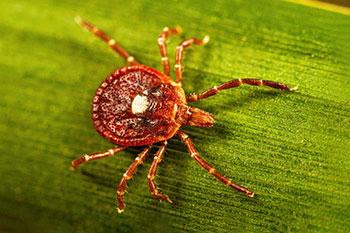
Tick-borne diseases are a serious public health problem. Join us at one of our engagement meetings to
- Learn about relevant initiatives and developments
- Hear updates from federal agencies
- Provide input about patient concerns and priorities
Audience: The general public; patients, caregivers, family members, and advocates; clinicians and healthcare providers; researchers; funding organizations
Upcoming Meetings
Virtual Community Engagement Sessions
Three virtual sessions will cover the topics of mental health, diagnostics, and treatment. These topics chosen were by the public at the San Francisco meeting on June 11, 2024.
Session 1: Mental Health and Neurological Effects
When: October 24, 2024
Time: 1:00 pm – 4:30 pm Eastern
Where: Virtual
Meeting Goal: The purpose of this meeting is to engage the public—patients, caregivers, and healthcare providers, in particular—in an educational and informative session on the mental health and neurological effects of tick-borne diseases and associated illnesses and conditions (TBDAIC). Presentations by clinicians and researchers will provide insights into these complex and multi-faceted topics.
Meeting Objectives:
- Validate the patient and caregiver experience.
- Educate the audience about the nuanced mental health challenges of TBDAIC.
- Describe potential neurological effects of certain TBDAIC.
- Provide resources for patients and caregivers seeking help with the mental health effects of TBDAIC.
- Furnish information to help healthcare providers recognize, treat, and proactively address the mental health effects of TBDAIC in their patients.
| Time | Agenda Item |
|---|---|
| 1:00 pm – 1:15 pm | Introduction and Welcome Remarks
|
Clinician Perspectives |
|
| 1:15 pm – 1:45 pm | Neuropsychiatric Aspects of Tick-borne Diseases and Associated Illnesses
|
| 1:45 pm – 2:15 pm | Neurologic Lyme Disease in Children: Preview of an Ongoing Clinical Study
|
| 2:15 pm – 2:45 pm | It’s Not Just About Avoiding Red Meat: Giving Voice to the Untold Implications of Alpha-gal Syndrome
|
| 2:45 pm – 3:00 pm | BREAK |
| 3:00 pm – 3:20 pm | A Clinician Toolkit: Improving Care for Patients with Prolonged Symptoms and Concerns about Lyme Disease
|
Researcher Perspectives |
|
| 3:20 pm – 3:50 pm | Brain Changes and Symptom Correlates in Lyme disease
|
| 3:50 pm – 4:20 pm | Powassan Encephalitis: An Emerging Tick-Borne Disease of Human Health Concern
|
| 4:20 pm – 4:30 pm | Concluding Remarks and Adjournment
|
|
This is a draft agenda and subject to change |
|
Sessions 2 and 3
Details coming soon.
________________
**Comment**
Just don’t expect much from this…..
For more:
To all Members of the Tick-Borne Disease Working Group,
And where are we today after this SIX YEAR pacifier????????
“Chronic Lyme is a religious belief” – Dr. David Walker, Co-Chair of the Tick-Borne Disease Working Group. https://www.lymedisease.org/tuttle-comment-tbdwg-nov17/
I recommend reviewing that link above which includes a list of references that the CDC refuses to acknowledge along with the 363 references of chronic Lyme after antibiotic treatment:
Persistent Lyme infection: 363 Peer-Reviewed Studies
https://www.dropbox.com/s/wypdcr45cfmq16d/Persistence3.docx?dl=0
And why would the CDC refuse to recognize/study chronic Lyme disease in great detail you might ask? Because a chronic relapsing seronegative disease does not fit the business model of vaccine development, patent royalties and pharmaceutical profits. (Follow the money) Chronic Lyme does not fit any vaccine model.
And nothing, my friends, has changed.
But, I don’t mean to stop anyone from participating. Just know the score. Hey, let it rip and see what happens. We have absolutely nothing to lose. Also – it’s always helpful to know what the enemy is thinking.
 Madison Area Lyme Support Group